Of all the places we’ve been, Spain is the one that rewards you most the longer you stay.
We should know.
We lived in Spain for two years when we were in our 20s, and we’ve been back since then dozens of times, usually for a minimum of a month. And during that time, we’ve visited every single region of Spain, most of them multiple times.
One can visit Spain for a week and come home with a handful of highlights. There’s nothing wrong with that. Or you can return again and again — as we have — and begin to understand how different each region feels, how deeply history shapes daily life, and how easy it is to slow down into a particularly Spanish rhythm that feels right.
Be assured that this guide to “our Spain” is not a checklist of “must-sees.” It’s a possible framework for your travels to Spain in a way that’s more comfortable, more flexible, and ultimately more rewarding — especially if you’re content to not rush from one landmark to the next. Because one thing is for sure about Spain: rushing is antithetical to fully appreciating the essence of Spanish culture.
(Just an aside: we’re actually in Spain while we’re writing this.)
Why travel to Spain?
Probably the first answer to that question is that Spain works particularly well for thoughtful, independent travelers.
- It’s easy to get around by train and bus.The train system is second perhaps only to Japan’s. You can get from Madrid to Barcelona or Sevilla, for example, in under 2 1/2 hours. And that’s city center to city center, no adding on three hours at each end to get to the airport, go through security, and then wait to board. You can usually arrive for a train about 45 minutes ahead of departure, and have plenty to time to have a coffee and then board. And, where the rail lines don’t go efficiently (usually because there are mountains between you and your destination) there’s an excellent and inexpensive bus system. And these buses are extremely comfortable.
- Spain is very walkable, especially in historic centers.Even in the big cities of Madrid and Barcelona, if you stay somewhere near the center, you can walk to many of the attractions you’ll want to see. And, if something is a little too far, almost all Spanish cities have excellent public transport such as the underground Metro in Madrid, Barcelona, or Valencia, and buses in every city. Failing that, there are taxis everywhere in the bigger cities, and they’re always reasonable.
- Spain has incredible regional variety.You’ll not get bored in Spain by it’s geography, regional cuisines, or local customs. From the dry sherries and cured ham of Andalucía in the arid south, to the tangy white wines and grilled octopus of the cool green Basque Country of the north – and everything in between, you’ll never get tired.
- Spain is built for taking it slow.Whether it’s over meals that start a lot later than you think, sitting for hours in plazas with a glass of wine or a coffee, or just taking long walks, there’s never any hurry. And, when it comes down to it, that’s probably the most charming thing about Spain.
What makes Spain special isn’t just what you see. It’s how you move through it.
How to Plan a Trip to Spain
How long to stay
- 1 week: focus on one region or city. If it’s your first trip to Spain, Madrid and Barcelona are the obvious choices. And both cities have interesting day-trip opportunities within an hour or two of the central city.
- 2 weeks: Combine two regions (e.g., Madrid plus Andalucía or Barcelona plus Valencia.)
- 3+ weeks: Add northern Spain, such as Bilbao and San Sebastián in the northeast or Asturias or Galicia in the northwest. If you feel like walking, you could add a segment of the Camino de Santiago.
Spain rewards depth more than breadth.
Getting around
- High-speed trains connect major cities efficiently.
- Regional trains and buses fill in the gaps.
- Rental cars are useful in rural areas — but are unnecessary and unwieldy in cities. (If you are going to rent a car, be sure to get an international drivers license.) The very thing that makes Spanish cities so walkable is the same thing that makes it difficult for cars. Parking is a pain, and often expensive. In the historic centers of many cities, including Madrid, Barcelona, and Málaga, private cars are banned.
When to go
- Spring (April–June): for an ideal balance of weather and crowds.
- Fall (September–October): has similar advantages as Spring.
- Summer: great for the north but can be very hot in central and southern Spain.
- Winter: quieter, and smaller crowds, which is especially good for cities and cultural travel. Winter is actually our favorite time to visit Spain, especially the South.
Keep in mind though, that Spain has been “discovered” by tourists from all over the world. There is no time of year that is void of tourists in the centers of cities such as Madrid, Barcelona, and Málaga, although they’re much more manageable in the early spring, late fall, and winter. If you’re coming at other times, consider visiting less touristed – but still fascinating – regions such as Extremadura in the southwest or Asturias of the northwest. Be assured both regions have plenty to offer.
What to pack
Spain is generally forgiving — but you’ll be walking more than you think. Bring good shoes that work for the rough surfaces of streets that may have last been paved in the 17th Century. Spain is extremely casual, too. Bring comfortable clothes, with maybe something that can double as slightly dressy should you go to one of Spain’s many Michelin-starred restaurants.
For a complete packing system, see our Ultimate Ultra-Light Packing Guide for Travelers Over 50.
The Best Places to Visit in Spain
Again, the first thing to remember is, rather than trying to see everything, think in terms of regions or cities.
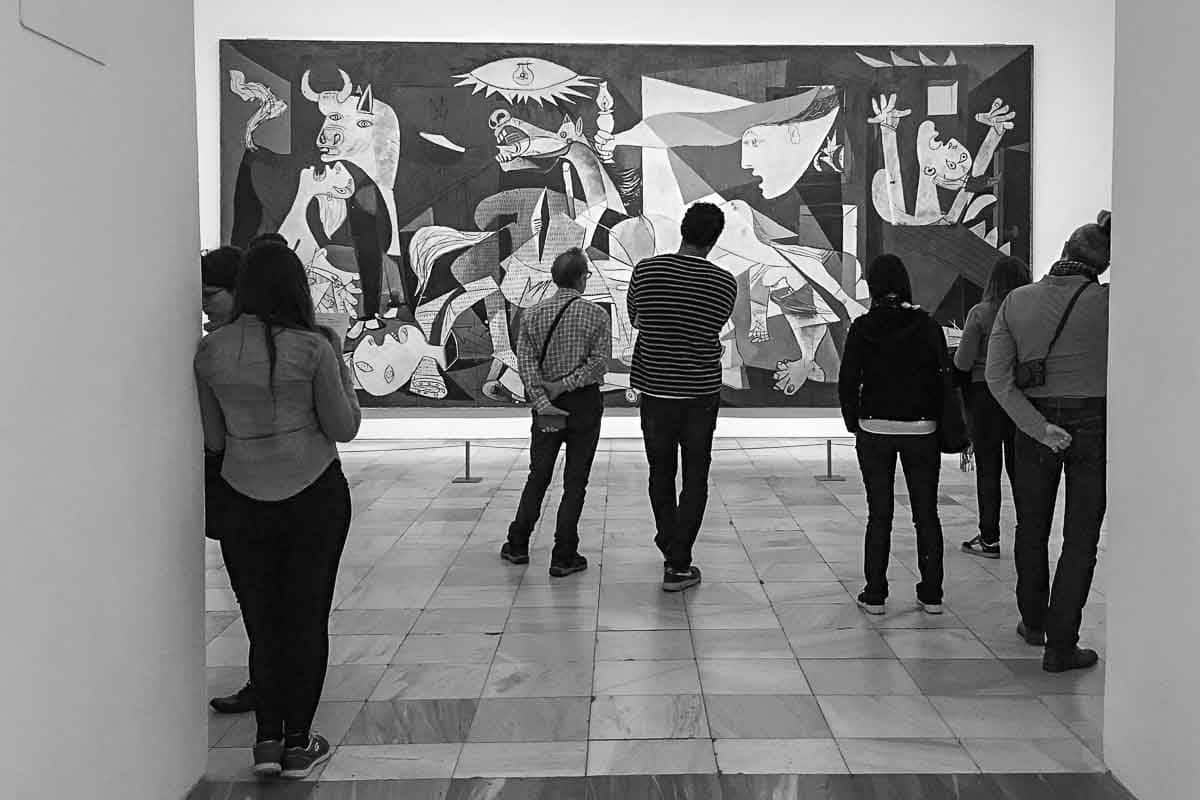
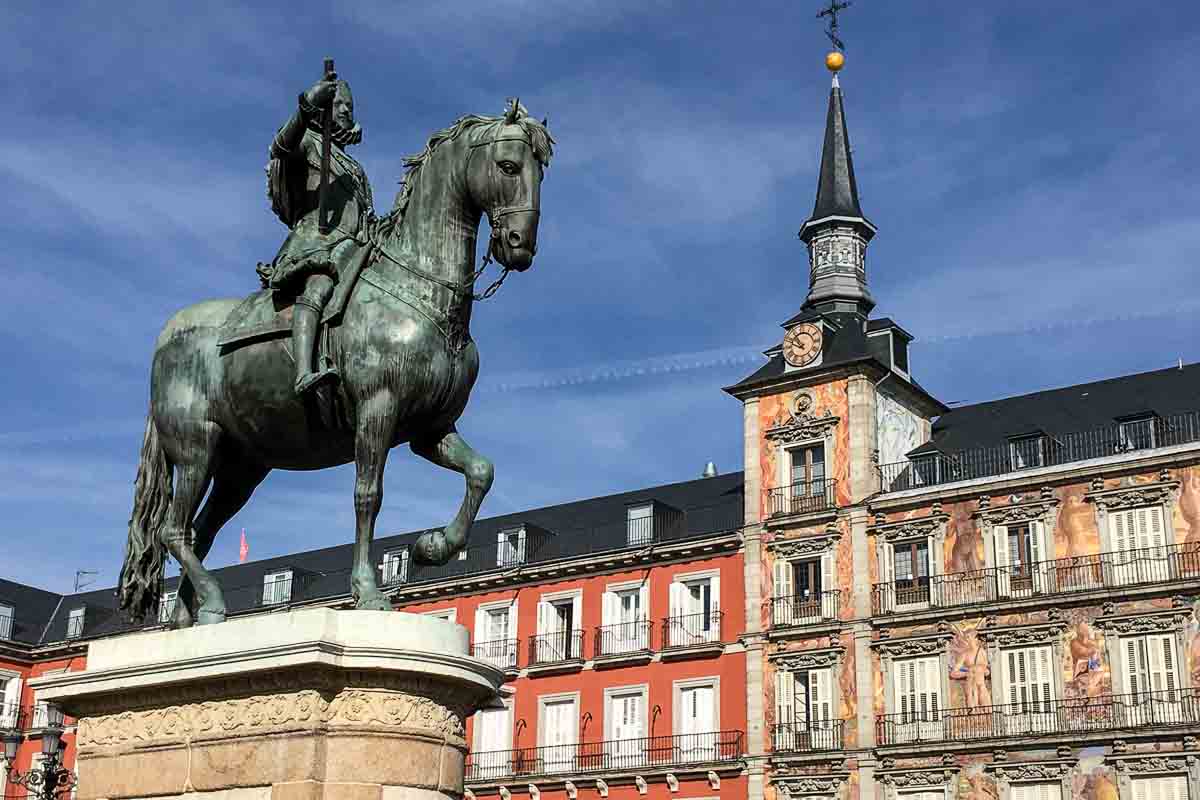
Madrid and Toledo
Spain’s capital is about world-class museums, elegant parks, unlimited food choices from every region and country, and a surprisingly livable pace.
Madrid is ideal for: art lovers, first-time visitors to Spain, and for pairing with day trips to nearby cities such as Toledo, Segovia, and others.
- Our Guide to Madrid
- A Madrid Food Tour
- Six Reasons the Prado is the Best Museum in Europe
- Our Guide to Toledo
- Some Day Trips from Madrid
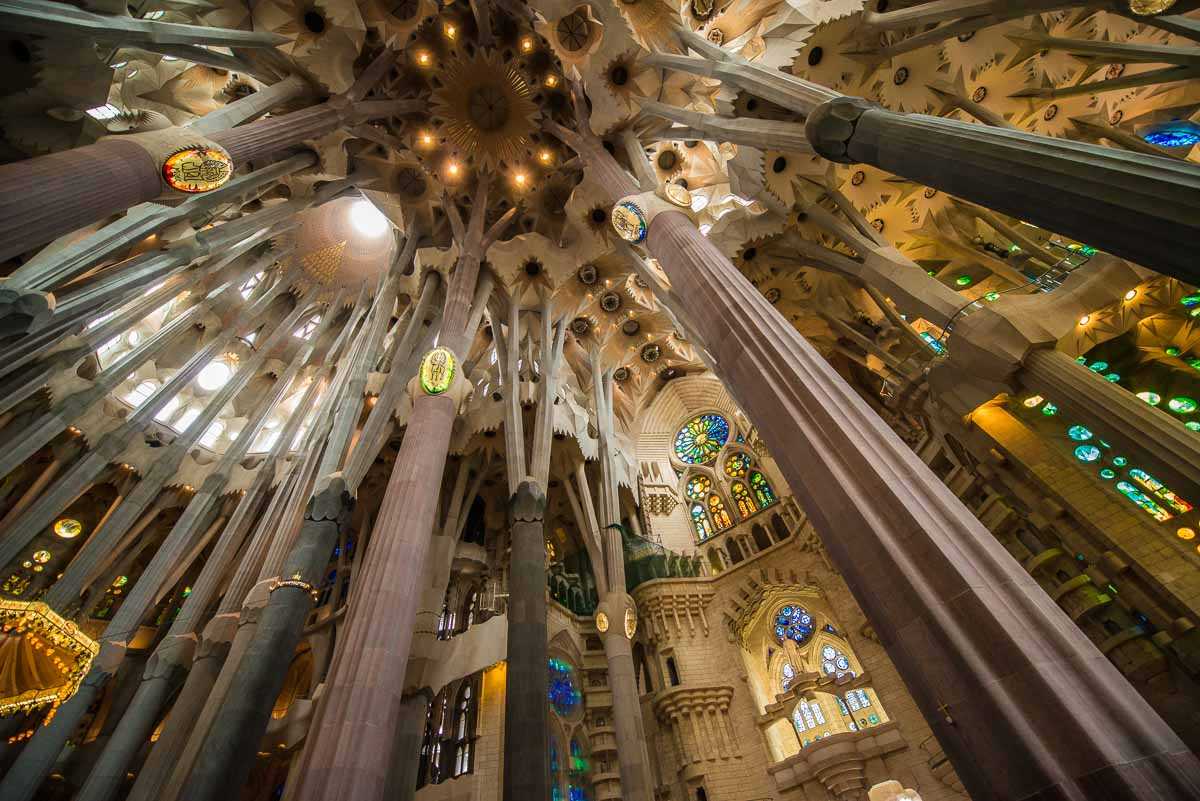
Barcelona and Catalonia
Barcelona is city that combines: architecture (Gaudí and beyond), coastal/beach access, and a strong food culture.
Barcelona is best explored slowly, neighborhood by neighborhood. And from Barcelona there are also easy day trips to places such as Montserrat, Girona or Sitges.
- Our Guide to Barcelona
- The Sagrada Familia of Antoní Gaudí
- The Other Great Architect of Barcelona, Lluís Domènech i Montaner
- Hiking in Catalonia
- The UNESCO World Heritage Churches of Catalonia
- The Priorat Wine Region
- Lloret del Mar, Catalunya
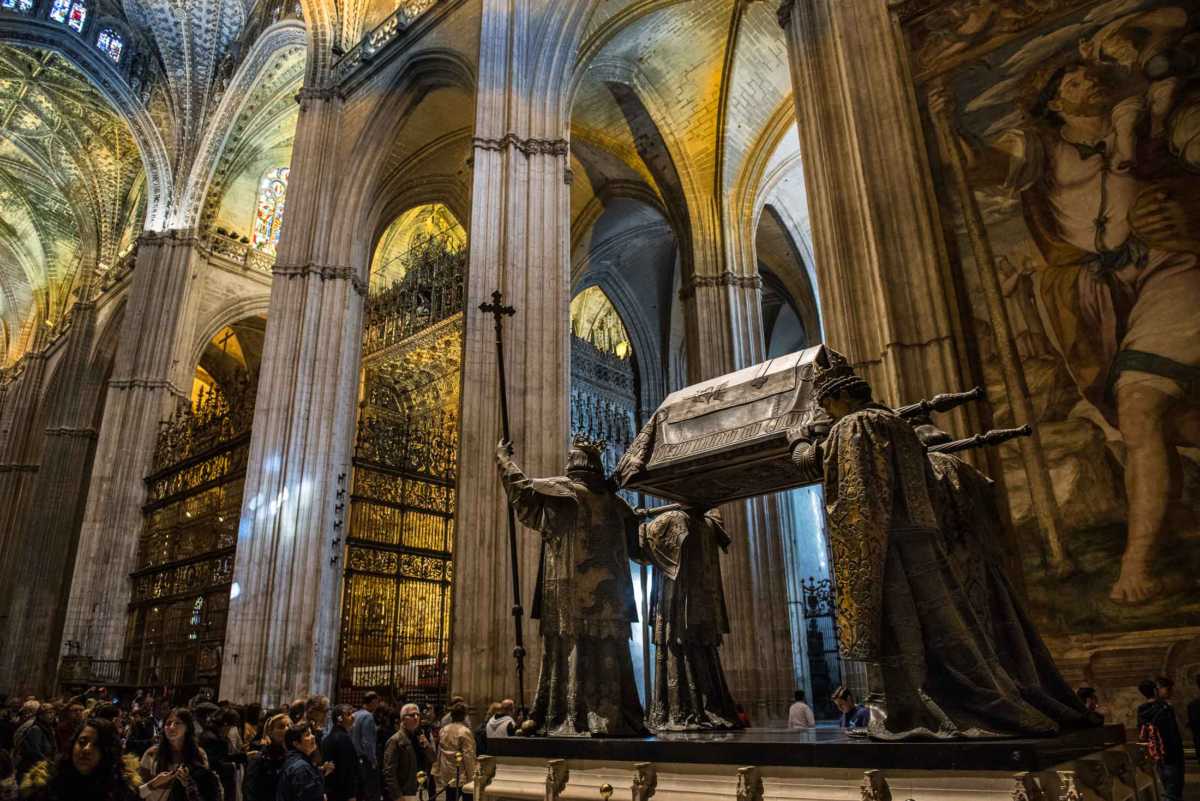
Sevilla and Andalucía
Southern Spain offers: dramatic history of Christian, Moorish, and Jewish Spain: stunning Moorish architecture; a very different rhythm of life.
Besides Sevilla, the list of cities worth visiting in Andalucía is impressive: Granada for the Alhambra, Córdoba for the Mosque/Cathedral, Malaga for the museums and the beaches, Jerez for the sherry, Cadiz for the horse culture, Ronda for the spectacular views. And in between them all are the small “white villages.”
Other than Madrid, Andalucía is the region of Spain where we’ve spent the most time.
- Our Guide to Sevilla
- The Christian Churches of Granada
- Our Guide to Málaga
- The Mosque/Cathedral of Córdoba
- Our Guide to Jerez de la Frontera
- A Road Trip through Andalucía
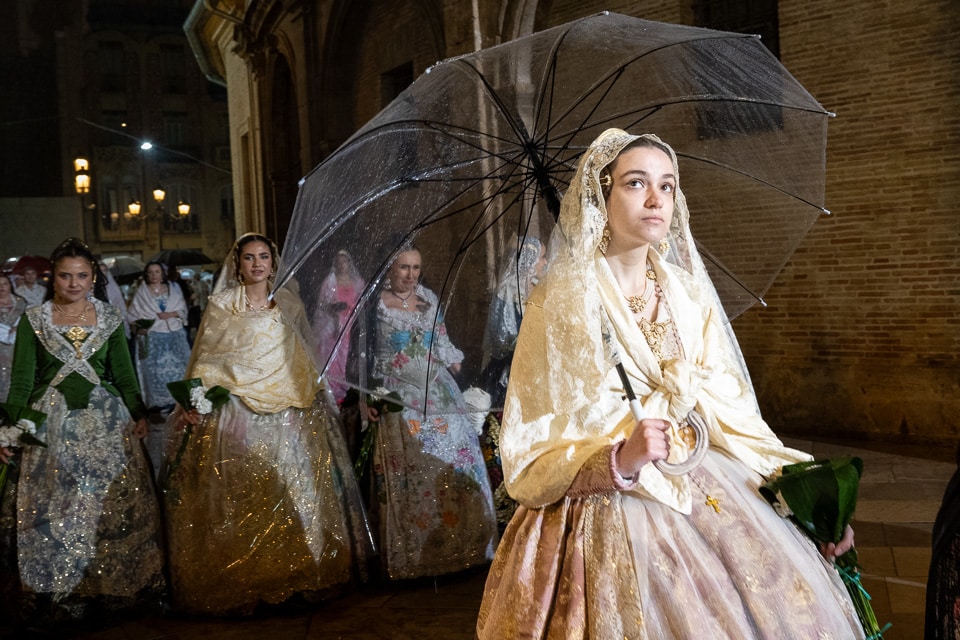
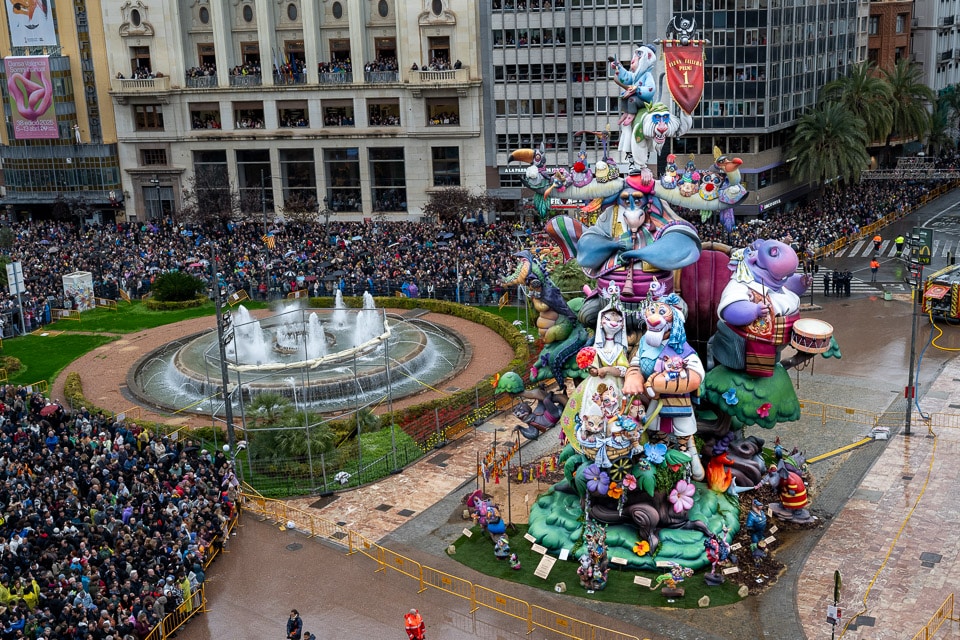
Valencia
One of Spain’s most livable cities, Valencia is famous for its historic center; for its architectural masterwork known as The City of Arts and Sciences, a museum cluster designed by native son Santiago Calatrava; and for its excellent food scene. Did we mention paella? This is the birthplace of Spain’s famous rice dishes.
Valencia is often overlooked – and that’s part of its appeal.
- Our Guide to Valencia
- Spain’s Most Spectacular Festival – The Fallas of Valencia
- Valencia’s City of Arts and Sciences
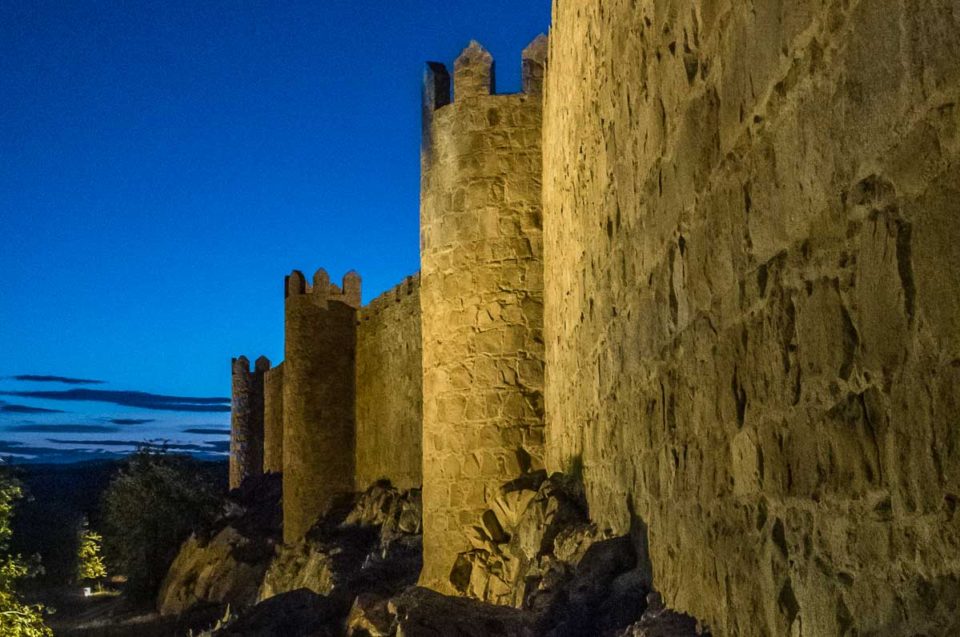
Castilla and León
Old Castile (Castilla in Spanish) is the classic region of central Spain. It was the home of Isabel I, whose marriage to Fernando, king of Aragón, was the merger that created what became modern Spain.
What we think of as the Spanish language is actually Castillian, or Castellano. Castilla – also joined to León to the northwest is home to many of Spain’s most impressive cathedrals, especially those of Toledo, Salamanca, León, Ávila, and Burgos. The region’s cuisine is also notable for the roasts, particularly of suckling lamb and pig.
- Our Guide to Toledo
- The Cathedral of Toledo
- The Cathedrals of Salamanca
- The Cathedral of León
- The Cathedral of Ávila
- The Walls of Ávila
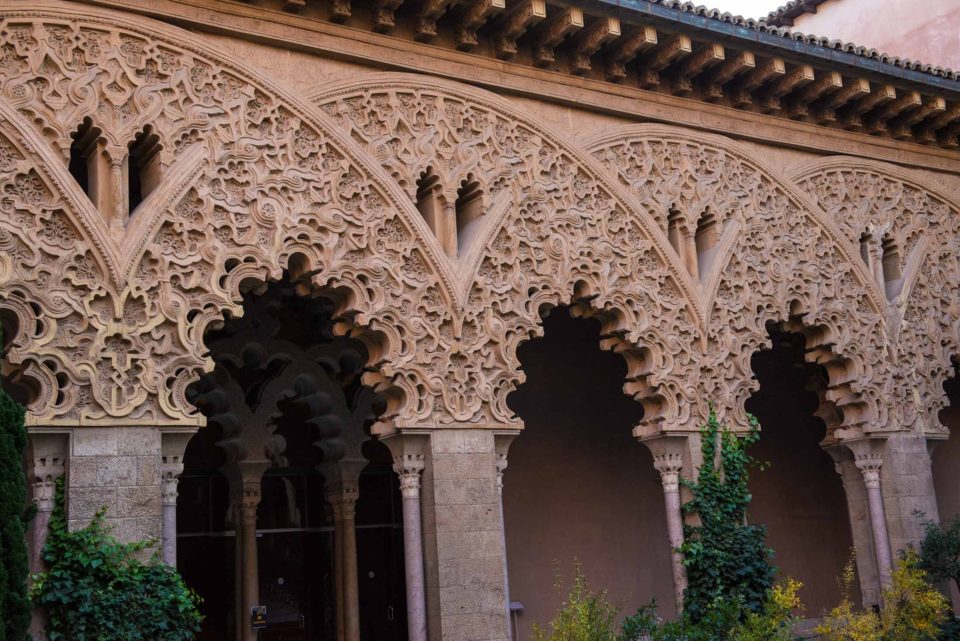
Aragón
Aragón is the home of the historic city of Zaragoza. Zaragoza claims to be the home of tapas, and its bars do their part in holding up that reputation.
Zaragoza also happens to be the only stop on the high speed train route between Madrid and Barcelona, so it’s very easy to visit – and well worth it.
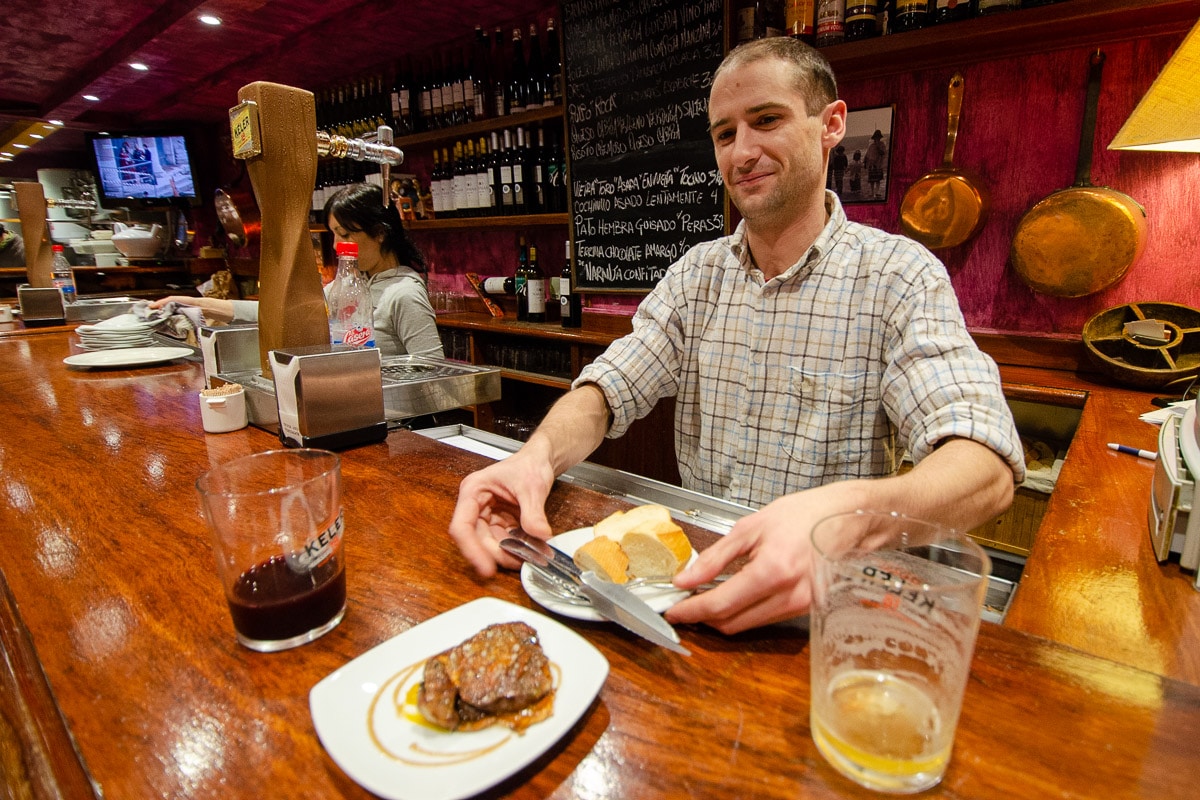
Northern Spain
Northern Spain is less visited, and in many ways more surprising. Across the north coast that borders the cooler Atlantic Ocean instead of the warmer Mediterranean Sea, you’ll find a cooler climate, green landscapes, and very strong regional identities. The north is also where you’ll find Pamplona, perhaps best know for the San Fermín festival and the running of the bulls.
The north is is also where you’ll encounter the Camino de Santiago in many forms.
- Our Guide to San Sebastián/Donostia
- The Best Meal of our Life at Asador Etxebarri
- The Spectacular Cave Paintings of Cantabria
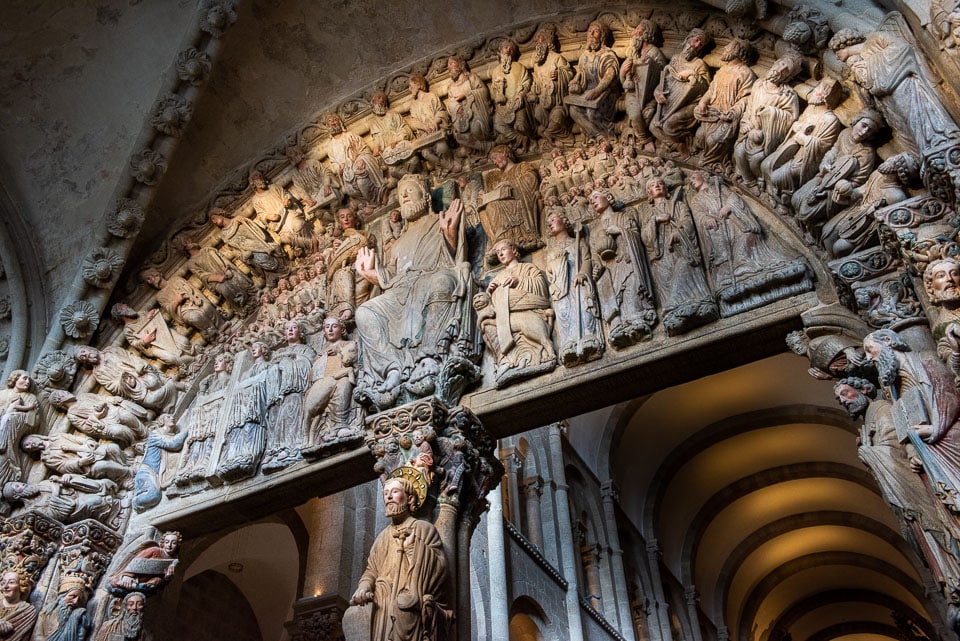
- Eating in Santiago de Compostela
- Our Guide to the Northern Route of the Camino de Santiago
- The Running of the Bulls in Pamplona
- Finding Your Rhythm on the Camino de Santiago
- Our Complete Guide to Getting Ready for the Camino de Santiago
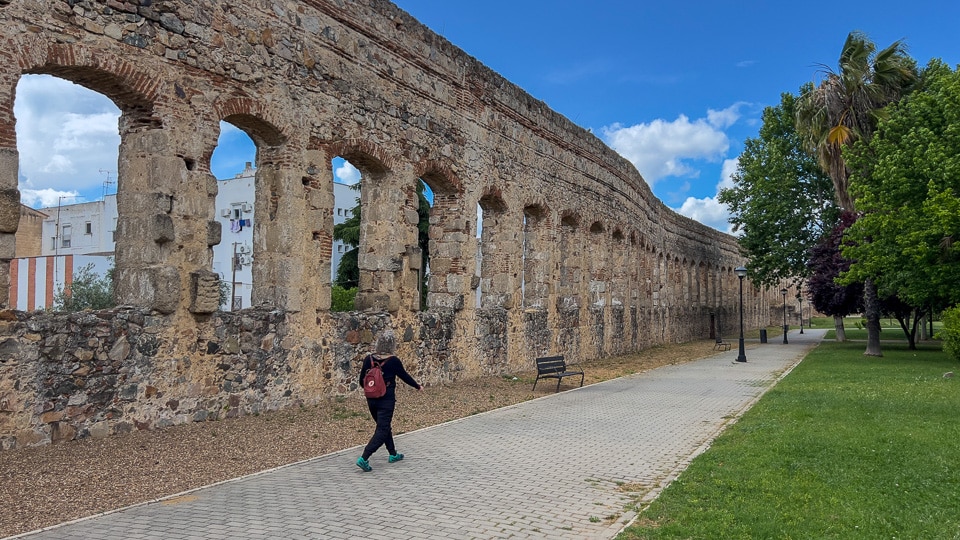
Extremadura
Extremadura is one of the lesser visited regions of Spain, although it has two spectacular attractions in its cities of Cáceres and Merida. In particular, Cáceres is becoming a foodie destination, and Mérida combines great food with extensive Roman history – and spectacular Roman ruins.
They’re both worth a visit, and are easy to reach from either Madrid or Sevilla.
The Balearic and Canary Islands
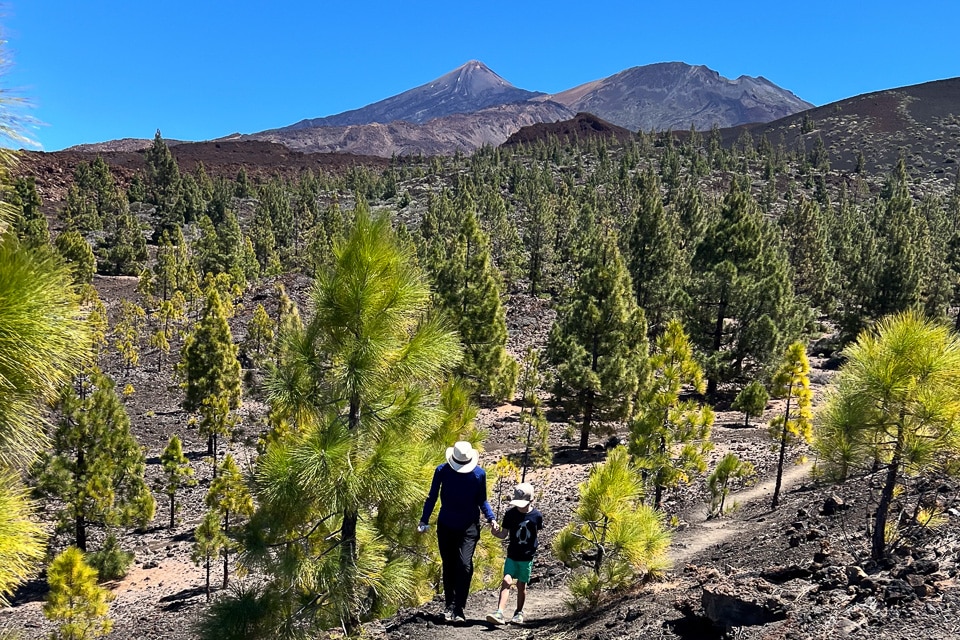
The two island regions of Spain are as distinct from each other as they are to peninsular Spain. The Canary Islands, far south of mainland Spain in the Atlantic Ocean, are historic stops between the Americas, Africa, and Europe. We’ve only visited Tenerife, the largest of the seven main Canary Islands, but can attest to the wonderful combination of historic interior villages with beach towns, and breathtaking scenic overlooks with serene nature trails.
The Balearic Islands of Mallorca, Menorca, Ibiza and Formentera in the Mediterranean waters off Spain’s eastern coast boast a distinct Mediterranean microclimate and even a distinct language. While Menorca’s hiking trails, agriculture, caves, coves and prehistoric ruins invite slow travel, Mallorca’s glamorous resorts, tennis school, film festival and capital city of Palma de Mallorca – not to mention gorgeous beaches – attract a lively and sophisticated crowd.
Food and Wine in Spain
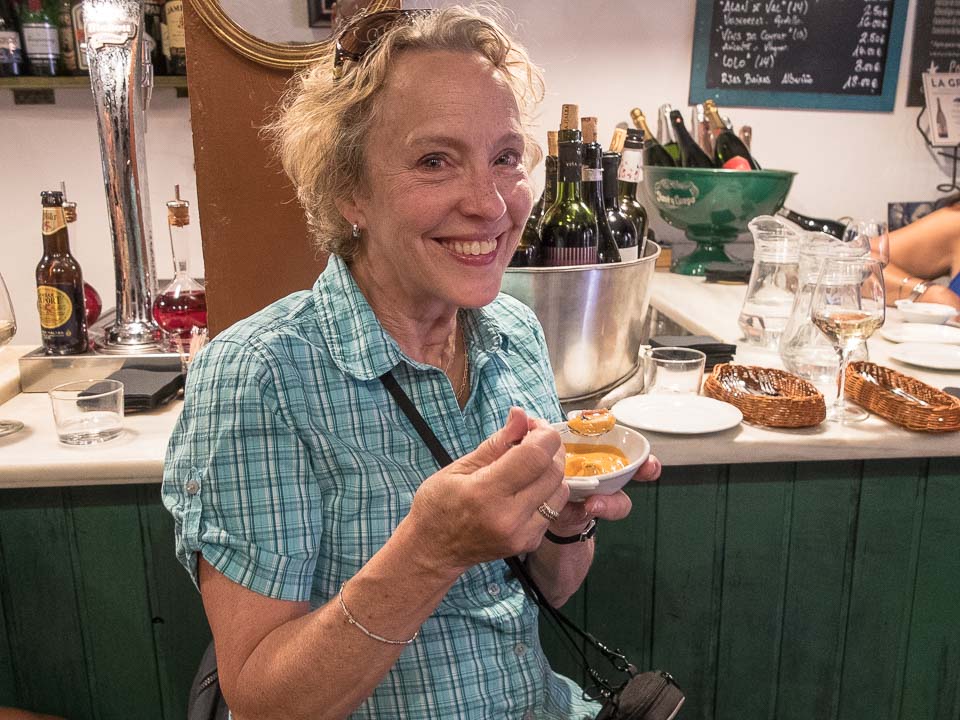
Although there are some spectacular restaurants in Spain, especially in the north, food in Spain is less about restaurants and more about rhythm. Keep the following in mind:
- Meals are later than you’re used to: many restaurants don’t even open in the evening until 9 p.m. Plan for that and have your lunch around 2 or 3, like the Spanish.
- The favored way to eat in Spain is to order several small plates (tapas) and share with the table.
- There are regional specialties that distinguish every part of Spain. Have the paella in Valencia or Barcelona, but don’t order it in Madrid. In Madrid, have the roast suckling lamb. In the north, have octopus or anchovies. Thankfully, you can have the cured ham – jamón – anywhere.
- Take it slow. Sit over your meal and talk to your friends. They’ll never rush you out of a Spanish restaurant. You will have to specifically ask for the bill when you’re finally done talking. Oh yeah, remember to have a coffee and a copa of exceptional Spanish brandy to finish your meal.
The best strategy is simple: follow locals, eat late, and don’t rush.
Here’s some more on the traditional foods of Spain:
- The Traditional Foods of Spain
- Spanish Cuisine Available at Home
- San Sebastián, City of Pintxos
- Madrid Food Tour
- How to Make Gazpacho at Home
- Priorat, Spain’s Other Wine Region
- The Food of Santiago de Compostela

Culture, History, and Architecture
Spain’s depth is revealed through its architecture. Roman, Moorish, Gothic, and modern structure often sit side by side — sometimes even in the same building.
A few great entry points to experiencing the architecture of Spain:
- The Cathedrals of Spain
- The Seven Wonders of Spain
- The City of Arts and Sciences in Valencia
- Traditional Cultural Festivals of Spain
- The Cave Paintings of Cantabria
- The Mosque/Cathedral of Córdoba
These aren’t just monuments—they’re living parts of each city.
Walking and Slow Travel in Spain
Spain is one of the best countries in the world for walking.
Cities are compact and pedestrian-friendly, daily life happens outdoors, and distances are manageable.
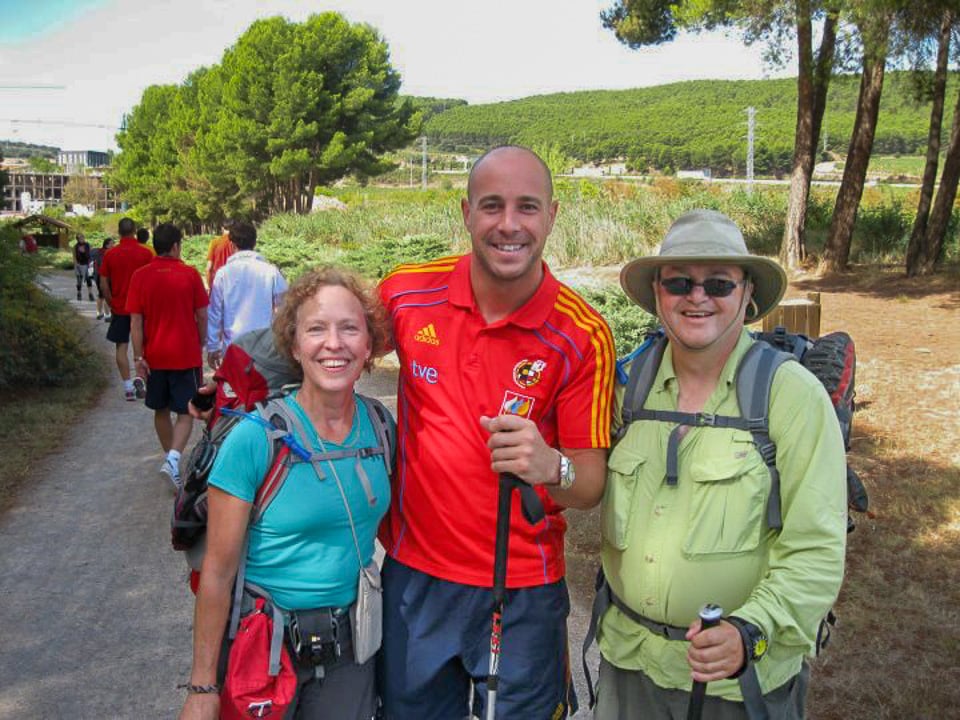
But, at the extreme end of this is the Camino de Santiago. We did the entire Camino Francés in 2011, and stretches of the Camino del Norte in 2021.
- See our Camino de Santiago packing and planning guides
- Hiking in Catalonia
- Our Guide to the Northern Route of the Camino de Santiago
But even without committing to a pilgrimage, you can structure your trip around long urban walks, neighborhood exploration, and short regional hikes.
If you really want to take it slow, consider stopping in one city and taking a one or two-week course in the Spanish language. It’s perhaps the best way to get a really thorough introduction to a city or region.

More Spain Travel Resources and Ideas
To go deeper, explore:
- The UNESCO World Heritage Sites of Spain
- Regional Road Trips in Spain
- 12 Spectacular Spanish Cultural Festivals
- Holiday Traditions in Spain
- Flamenco: the Distinctive Music and Dance of Spain
- The Bulls: Our Take on Bullfights of Spain
- City-specific guides (see above)
- Packing and gear recommendations

Books About Spain
We’ve read dozens of books about Spain. Here’s our list in one spot on our Amazon store.
Spain Travel FAQ
To sum up:
What is the best month to visit Spain?
May and October are two of the best months to visit Spain. The weather is generally pleasant, major sights are less crowded than in peak summer, and walking around cities is more comfortable.
How many days do you need for Spain?
Plan at least 10 to 14 days for a first trip to Spain. One week is enough for one region, while two weeks allows you to combine two major areas, such as Madrid and Andalusia or Barcelona and Valencia.
Is Spain good for older travelers?
Yes. Spain is excellent for older travelers because many historic centers are walkable, trains connect major cities, food culture rewards a slower pace, and the country offers strong cultural depth without requiring rushed travel.
What is the best itinerary for a first trip to Spain?
A good first Spain itinerary is Madrid, Seville, Córdoba, and Granada; or Barcelona, Valencia, and Madrid. Both routes combine major cultural sights, good train connections, and enough variety without trying to cover too much.
Do you need a car in Spain?
You do not need a car for major Spanish cities. Trains are usually the best way to travel between Madrid, Barcelona, Valencia, Seville, Córdoba, and Granada. A rental car is useful for rural areas, small villages, and scenic regional routes.
What should I pack for Spain?
Pack comfortable walking shoes, light layers, flexible clothing, and a manageable carry-on bag. Spain involves more walking than many visitors expect, especially in historic centers with cobblestones, stairs, and uneven streets.
Final Thoughts
Spain isn’t a place you “check off.” It’s a place you settle into. If you give yourself the time — and travel lightly enough to stay flexible — you’ll find that the best moments are the ones you didn’t plan. These are the moments you’ll not only notice and remember, but savor.