This post was updated May 2026
Has this ever happened to you? You’ve just bumped your suitcase up a long flight of stairs in a European train station. You look down at your bag – which seems about twice as big as when you bought it – and ask yourself, “Why did I ever think I needed all this stuff.”
Looking for more packing advice? This post is part of our Travel Skills for Travelers Over 50 guide, where we cover packing light, gear, money, safety, and more.
Don’t feel bad. That used to be us, too.
But, after 16 years of mostly full-time travel, we’ve learned something surprisingly simple: packing light isn’t about giving anything up. It’s about gaining something – freedom.
Freedom from checked-bag lines. Freedom from pounding luggage over cobblestones. Freedom from worrying whether your bag will make the same connection you do. And, especially as we’ve gotten older, freedom from carrying more than our backs, knees, and shoulders can tolerate.
This is the packing system we actually use. It works for a week, a month, or longer, because it’s not based on packing for every possible emergency. It’s based on packing smart, washing occasionally, and only bringing things that earn their place in your bag.
Our Quick Start Packing System
In case you’re in a hurry and don’t want to read any further…
For most trips, this is all you need:
- 1 carry-on bag
- 1 personal item
- 3–4 tops
- 2 bottoms
- 2 pairs of shoes
- toiletries and medicine
- laundry every 5–7 days
Now, as to specifics, jump to:
For more details, keep reading.
Why Packing Light Matters More as We Get Older
When you’re in your 20s, overpacking is annoying. When your in your 50s, 60s, or beyond, it can make your trip downright miserable.
A lighter bag means you can move more easily through airports, train stations, ferry terminals, old-town streets, and hotel staircases. It also means you can be more spontaneous. You can take the cheaper train or plane. You can walk the last few blocks when your taxi isn’t permitted in the old part of the city. You can change hotels without turning it into a major production.
Packing light is not about some abstract concept of minimalism. It’s about travel ease and independence. We want to carry our own bags, keep track of our own things, and spend our energy on the places we came to see. (Also, you may be surprised to know that many hotels don’t have people to schlep your bags any more.)
The Five Rules of Smart Packing
Pack for your second-best day
Don’t pack for your fantasy version of yourself. You’re not going to the Met Gala. Pack for the person who will actually be walking, eating, sweating, resting, washing a shirt in the sink, and putting it back on two days later.
Every item should do more than one job
A shirt that works for walking, dinner, and a museum day is better than three separate shirts. A scarf or buff that works for warmth, sun, and plane comfort is worth carrying. You need to make a very strong case if you want to carry single-use items, e.g. I AM going to the Met Gala.
Limit shoes to two pairs
Shoes are where packing systems fail. For the most part, they’re bulky, hard, heavy, and awkward. For most trips we take, the right formula is one excellent walking shoe plus one lighter secondary shoe, sandal, or slip-on.
For a deeper discussion, see our guide to choosing the best travel shoes for women. We also cover hiking-specific footwear in our Camino de Santiago shoes, socks, and blister prevention guide.
Plan to do laundry
Laundry is the secret to light packing. Once you accept that you’ll wash things along the way, you no longer need a separate outfit for every day. One easy way we’ve found to do laundry (other than just in the hotel sink) is this clever Waschii clothes washing bag, along with some very handy laundry detergent sheets.
Leave space
You will pick up something: a book, a scarf, a food item, a small gift, or perhaps the damp jacket your were wearing in the rain last night that refuses to dry before checkout. Leave room for real life.
The Core Carry-On Packing List
This is the basic packing list we recommend for most independent trips. Adjust for weather and activity, but keep your system light and tight. Here’s our list, with specific recommendations.
The bag itself
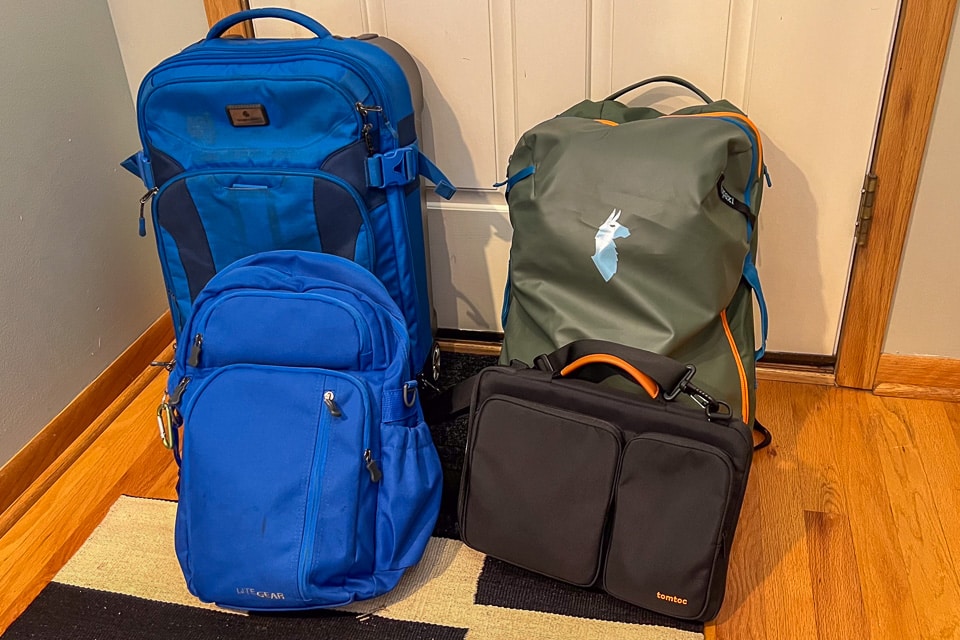
If you start with the right sized bag, i.e. a maximum of 30-40 liters, you literally won’t be able to overpack. Here are some specific recommendations of bags we use, including both backpacks (Tom) and rollerbags (Kris.)
Clothing: the capsule system
- 3–4 tops, ideally quick-drying and easy to layer
- 1 long-sleeve shirt or sun layer
- 1 sweater, hoodie, fleece, or lightweight insulating layer
- 2 pairs of pants, or 1 pair pants plus 1 skirt/shorts option
- 4–5 pairs of underwear
- 3–4 pairs of socks
- sleepwear or lounge clothes
- 1 rain jacket or weather shell
The point is not to pack outfits. The point is to pack combinations. Everything should work with everything else.
We rely heavily on merino wool and other quick-dry fabrics. See our article on merino wool t-shirts and clothing for travel for why we like it so much.
You can see what we actually pack in great detail in these posts: the ultra-light packing list for men, and the ultra-light packing list for women.
Shoes
- 1 primary walking shoe, worn on the plane
- 1 secondary shoe, sandal, or recovery slip-on
Lately, we’ve stumbled upon the perfect combination of those two shoes: Kizik and Xero shoes. One of each works great, or, if you’re really not going anywhere that passes for a little bit dressy, two pairs of the super light Xeros is optimum. One great advantage of both brands is that Kiziks are always slip-on ready, and Xero also offers that option on some styles.
Unless you’re going to a formal event, this is enough. The better your first pair of shoes, the less you’ll miss the third pair you didn’t pack.
Toiletries
- Toothbrush and toothpaste
- Deodorant
- Small soap, shampoo, or solid toiletries
- Razor and blades, if needed
- Sunscreen
- Medications and copies of prescriptions
Keep toiletries small and replaceable. If you can buy it at your destination, don’t carry a month’s supply from home. (I bought Colgate toothpast in Kyrgyzstan. Anything is possible.) Count out the medicines you’ll need, and then take a few days extra supply – just in case.
Tech and essentials
- Phone
- Earbuds or headphones
- Travel adapter/charger
- Small power bank
- Spare glasses and sunglasses
Read our detailed post on all the travel accessories we use and recommend.
Documents and money
- Passport
- Credit and debit cards
- Backup copies of key documents
- Travel insurance information
Keep your documents accessible, not buried under your fleece and rain jacket. The best way to carry your backups is to photograph your passport ID page, both sides of your credit and debit cards, and email them to yourself. That way, if you wallet and phone are stolen, you’ll still be able to access the info.
How to Pack: The System That Works
Lay everything out first
Put everything on the bed or floor before anything goes in the bag. Then remove at least 25 percent of it. You will almost always know exactly what should go.
Use packing cubes or simple compartments
We like simple organization: clothing in one or two packing cubes, toiletries in one small kit, electronics in one pouch, and important documents in one predictable place.
Pack by weight and access
Heavier items should sit close to your back or toward the bottom of a roller bag. Things you need during transit — glasses, medication, charger, jacket — should be easy to reach. If you travel with a TSA-approved power wheelchair, pack a spare battery in your carry-on bag and make sure it’s protected during transit.
Use your personal item wisely
Your personal item is not a junk drawer. It should hold anything you would hate to lose or need if your main bag were delayed.
For specifics, see what we pack in a carry-on personal item. For the extreme version, see our guide to flying with only a personal item.
Packing for Different Kinds of Trips
Europe city travel
Pack for walking, stairs, museums, restaurants, trains, and weather shifts. Comfortable shoes matter more than dressy shoes. Layers matter more than bulky jackets.
Warm-weather travel
Choose lighter fabrics, sun protection, and clothes that dry quickly. A lightweight scarf or buff can still be useful for sun, air conditioning, and chilly flights.
Cold-weather travel
Use base layers and one good outer layer rather than packing multiple bulky sweaters. Cold-weather packing is about layering, not volume.
Active trips and walking trips
For hiking, walking tours, and long days outside, footwear and moisture management matter most. See our day hiking essentials, cycling essentials, and more below.
Specialized trips
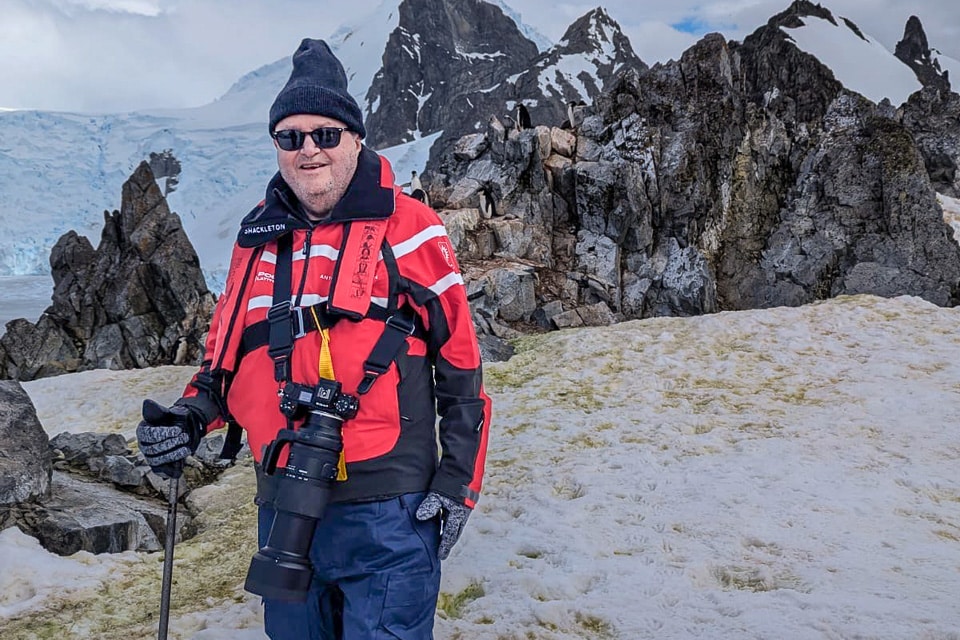
Some trips need their own packing logic. Antarctica, an African safari, cycling, and serious hiking such as the Camino are not ordinary city breaks. We keep separate guides for those because the gear decisions are genuinely different.
Use the guide above as your general system, then adjust with one of these specific guides when your trip requires it:
- A packing list for Antarctica
- What to pack for an African safari
- The Camino de Santiago packing guide
- Day hiking essentials
- Our best gear for cycling
- Our best carry-on and personal item travel bags
Packing Advice for Travelers Over 50
Comfort beats theoretical minimalism
We are not trying to win a contest for the smallest bag. We are trying to travel comfortably, independently, and well. If an item genuinely protects your health, sleep, mobility, or sanity, it may belong in your bag.
Medication is not optional
Carry prescription medications in your personal item, not your checked bag. Bring more than the exact number of doses you need, and keep prescription information accessible.
Think about stairs, not just airports
Lots of old hotels, apartments, train stations, and historic centers involve stairs. If you can’t comfortably lift your bag, it’s too heavy.
Choose bags for your body
The best bag is not the one with the fanciest features. It’s the one you can carry comfortably. See our guide to best carry-on and personal item travel bags.
What Not to Pack
- “Just in case” clothes for events you probably won’t attend
- More than two pairs of shoes
- Full-size toiletries
- Heavy books, unless the book is the point of the trip
- Anything you haven’t tested before a major walking trip
- Duplicated chargers, gadgets, and accessories
Most packing problems come from fear. Fear of being underdressed. Fear of being uncomfortable. Fear of needing something later. Experience teaches the opposite lesson: you need less than you think.
Common Packing Mistakes
Packing for too many imaginary scenarios
Pack for what you’ll actually do most days, not for every unlikely possibility.
Bringing brand-new shoes
Never make a major trip the testing ground for new shoes. This is especially true for walking-heavy trips.
Ignoring laundry
If you pack as if you’ll never wash anything, you’ll carry far too much.
Choosing appearance over function
You can look good and be comfortable. But if you have to choose on a travel day, comfort wins.
Get Our Printable Packing Checklist
We like to pack from a checklist. If you sign up for our travel skills emails, you can download our printable packing lists before you start. Use them as a starting point, not a dare to pack every single item.
If you join our email list, you’ll get practical travel advice, tested gear recommendations, destination ideas, and our best tips for traveling well after 50.
Get our downloadable packing lists now
FAQ
How big should a carry-on backpack or roller bag be?
A 30- to 40-liter backpack or roller bag is plenty big enough for most trips. If you plan to bring home souvenirs frequently, the slightly larger 40-liter size gives you a little extra room. Starting with the right-sized bag is one of the best ways to avoid overpacking — if it doesn’t fit, it doesn’t go.
How many pairs of shoes should you pack for a trip?
Two pairs is plenty for most trips. The ideal combination is one excellent walking shoe worn on the plane, plus one lighter secondary shoe, sandal, or recovery slip-on. The only exception is trips requiring specialized footwear, such as serious hiking or the Camino de Santiago.
Is merino wool worth it for travel clothing?
Absolutely. Merino wool is one of the best fabrics for travel because it resists odor and can be worn repeatedly before needing to be washed. Although it costs more than standard clothing, a quality merino garment will last for years and earn its place in your bag on every trip.
Can you travel long-term with carry-on luggage only?
Yes. With the right system, carry-on only travel works for trips of any length. We have traveled for as long as nine months with nothing more than a carry-on roller bag and a personal item. The key is planning to do laundry every 7 to 10 days rather than packing a separate outfit for every day.
How often should you do laundry while traveling?
Plan on doing laundry every 7 to 10 days for most trips. If you are doing something physically active — hiking, city walking in summer heat — you may need to wash more frequently. Accepting that you will do laundry along the way is the single most important mindset shift for packing light.
Final Thoughts
Packing light isn’t about doing without.
It’s about removing impediments so you can focus on where you are, not what you brought.
The lighter you pack, the easier it is to say yes – to the walk, the train, the stairs, the interesting detour, and the next trip.
Looking for more packing advice? This post is part of our Travel Skills for Travelers Over 50 guide, where we cover packing light, gear, money, safety, and more.