Italy rewards the traveler who takes it slow. After multiple visits across more than five decades, Italy is firmly ensconced – along with Spain – as our favorite European country. We’ve both studied there. Kris spent a college term in Florence and I spent an entire summer there when I was nearly 50 studying Latin with the Pope’s Latin secretary. Of course, we both also took Art History courses in college, and Italy – both ancient and Renaissance – certainly played a large part in those studies.
We’ve spent months among the ancient ruins of Rome and Pompeii and the Renaissance masterworks of Florence. We’ve strolled the Doge’s Palace and Saint Mark’s in Venice and have spent a week cycling around the whitewashed hill towns of Puglia. We stumbled among the ruined Greek temples of Sicily. We’re certain that that Italy is best experienced not as a checklist but as a series of long, unhurried encounters with the living evidence of one of the cradles of Western Civilization.
This guide gathers everything we have written about Italy in one place: where to go, what to see, where to stay and eat, and how to travel there in a way that leaves you feeling enriched rather than exhausted. Whether you are planning your first trip to Italy or your fifth, start here.
Why Italy Rewards Slow Travel
Italy has more UNESCO World Heritage Sites than any other country — 58 at last count. It was the heart of the Roman Empire, the cradle of the Renaissance, and the birthplace of opera and espresso. Italy originated the concept of the piazza as the gathering place for urban and village life.
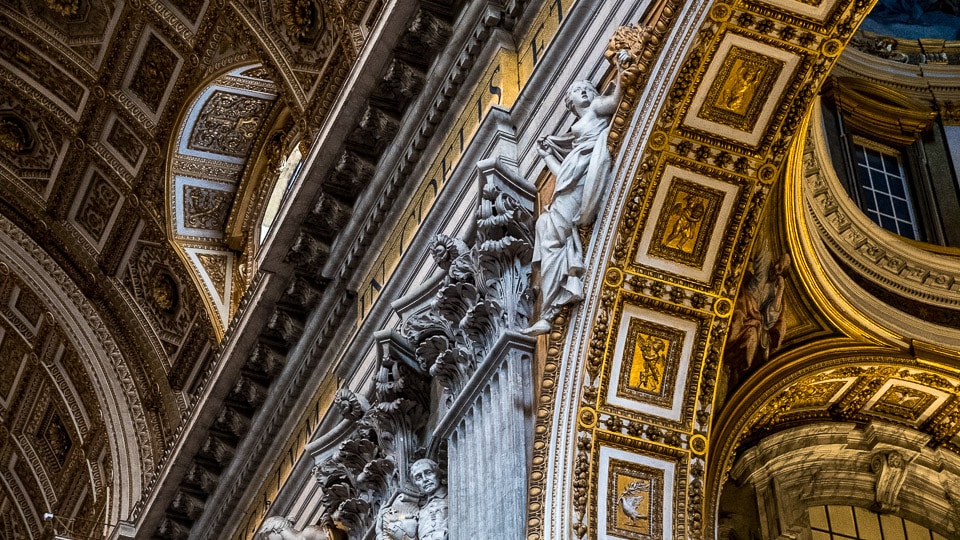
For us travelers over 50, Italy offers depth as well as breadth. Every city has layers – often literally in the case of the ancient cities. Every church has a story. Every meal that starts with a glass of wine and ends two hours later with an es
presso is a compelling argument for relaxing and paying attention. The mistake most visitors – especially first-time visitors – make is trying to see and do too much.
Pick fewer places, stay longer, and let Italy soak in slowly.
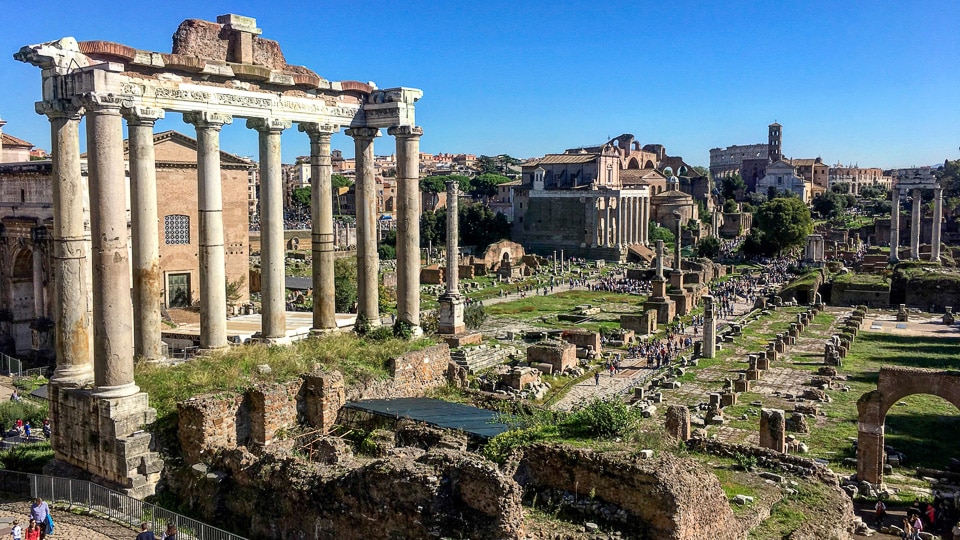
Rome — The Eternal City
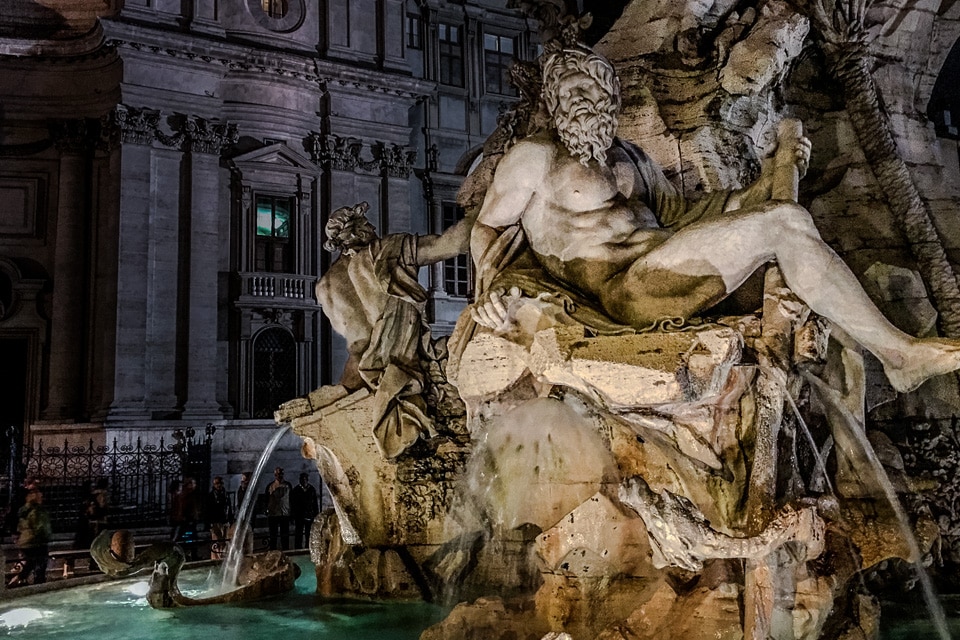
Rome is not a city you visit once and understand. We have been back many times – including spending an entire summer there studying Latin – and it still surprises us. It is the only city in the world where you can eat lunch at a café that sits on top of a 2,000-year-old theater, walk to an emperor’s palace before dinner, and end the evening with a grappa while gazing at an exquisite baroque fountain. For travelers who love history and art, Rome is simply without peer.
- 30 Things to Do and See in Rome — A comprehensive guide to Rome’s essential sites, from the Colosseum to the Vatican.
- A Day Trip from Rome to Hadrian’s Villa — One of the most rewarding and least-crowded excursions from the city.
- An Exclusive Tour of Rome’s Palazzo Colonna — A hidden gem most visitors walk right past.
- Modern Architecture in Rome: Rebuilding the City — Rome is not only ancient; its modern buildings are worth a look too.
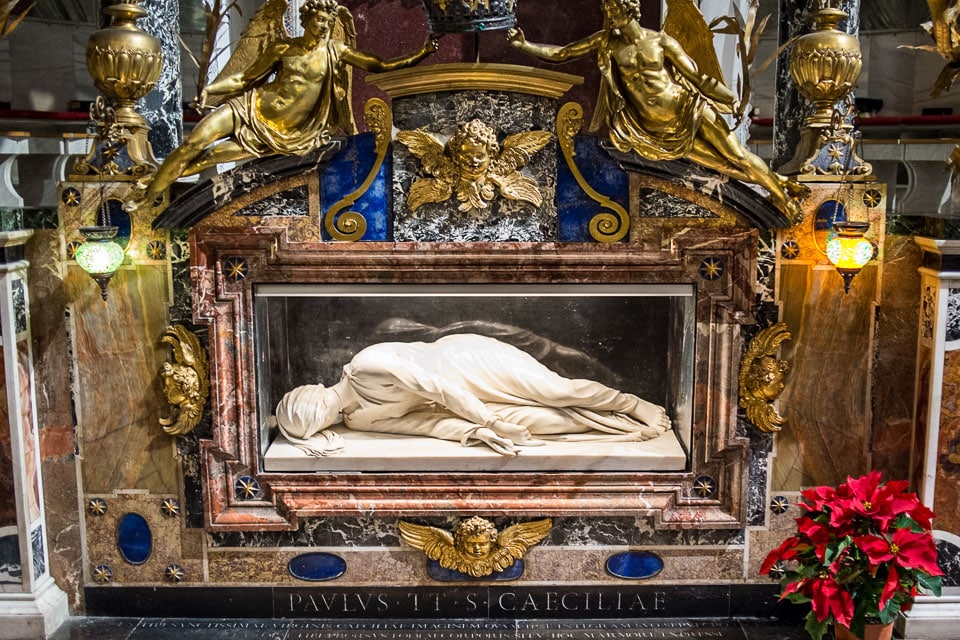
- Saint Cecilia in Trastevere, Rome — A remarkable church – featuring a lovely sculpture of the saint – in one of Rome’s most charming neighborhoods, Trastevere.
- The Pope’s Chair, St. John Lateran, Rome — The Pope’s actual home church, and most visitors have never heard of it.
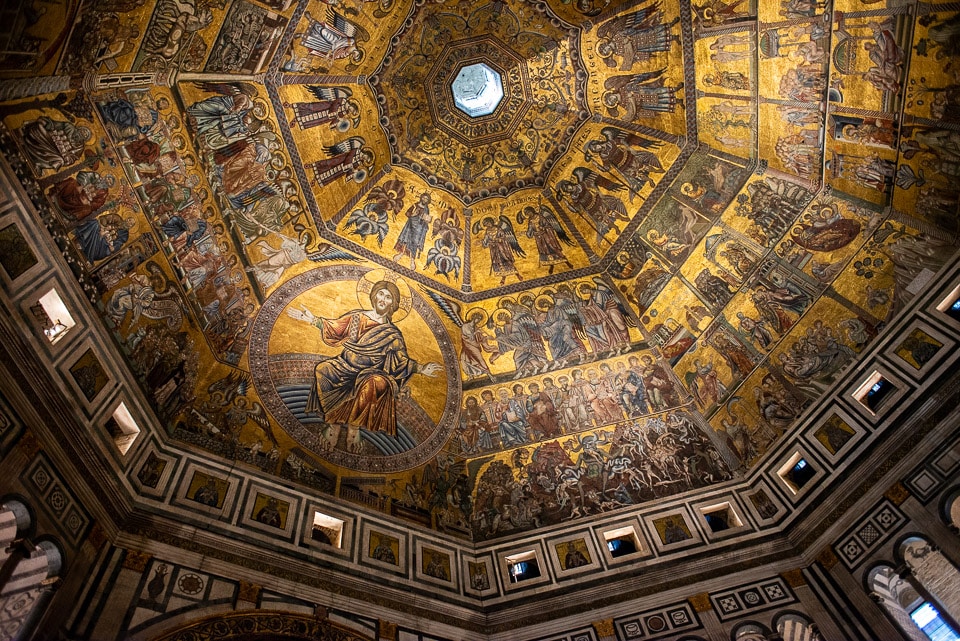
Florence — Art, Architecture, and the Renaissance
Even if you spend more than a week in Florence, when you leave you still feel that you have barely scratched the surface. The Uffizi Gallery alone could occupy days. But Florence rewards wandering as much as museum-going. The streets themselves are a gallery, and the churches contain some of the greatest art ever made. We have spent months here across multiple visits, and we keep finding new things to love.
- What’s New in Florence Museums? — Changing exhibits, illuminated texts, and new discoveries in an ever-evolving city.
- Florence Italy Revisited: The Church Circuit — The churches of Florence are as important as the museums. Here is where to start.
- Food and Shelter in Florence — Our recommendations for where to eat and stay after two weeks in the city.
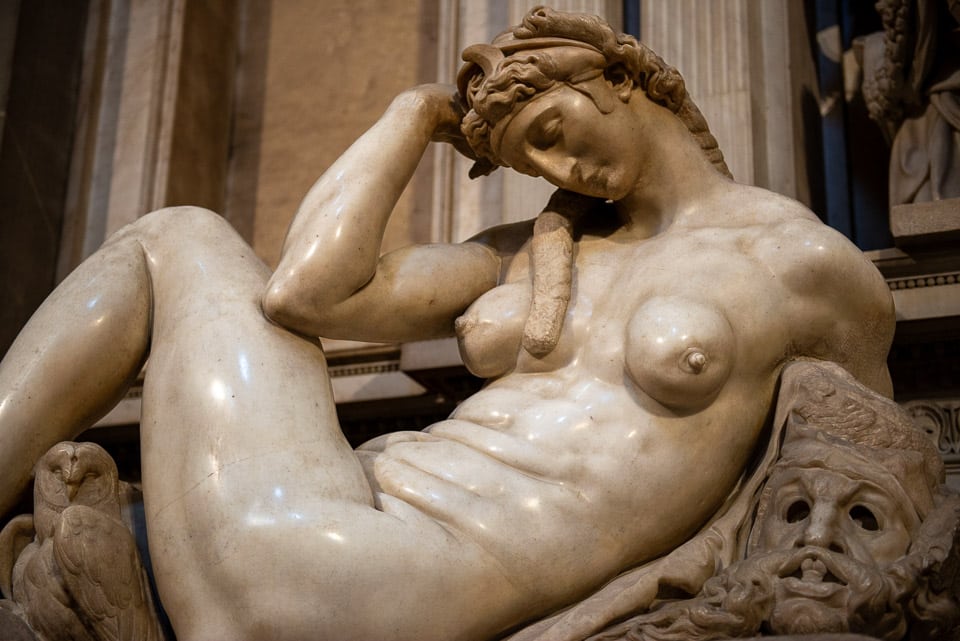
- The Medici Chapels, Florence, Italy — Michelangelo at his most ambitious, in a room that was nearly empty on Christmas Eve.
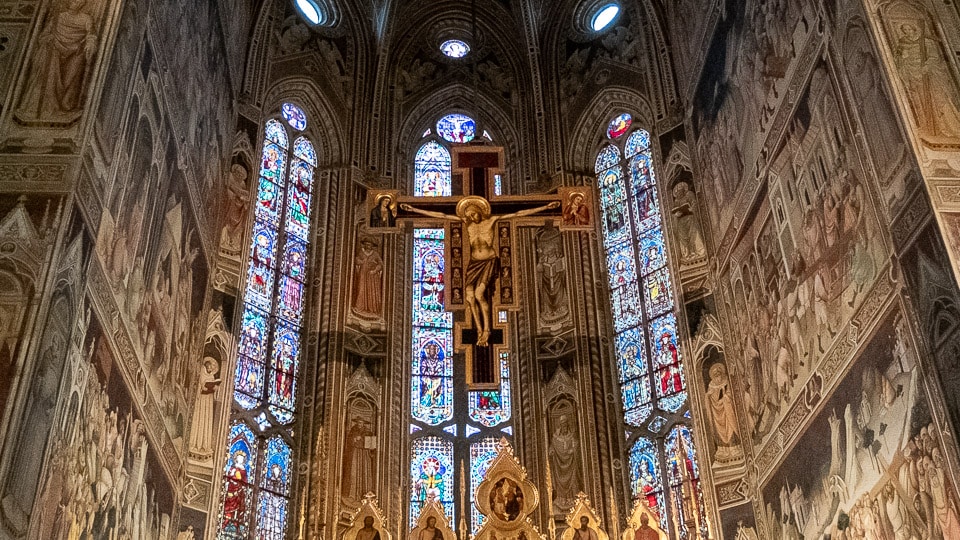
- The Basilica of Santa Croce, Florence, Italy — For quality and quantity of art, one of the most important churches in Italy.
- The Duomo and Bell Tower at Night, Florence, Italy — Florence’s iconic cathedral seen after dark, when the crowds thin and the light is extraordinary.
- Drama in the Palazzo Vecchio, Florence, Italy — Every bit as iconic as the Duomo, and far less visited inside.
- The Last Judgement Frescos of the Duomo, Florence, Italy — A close look at the Vasari paintings that cover the interior of the Duomo.
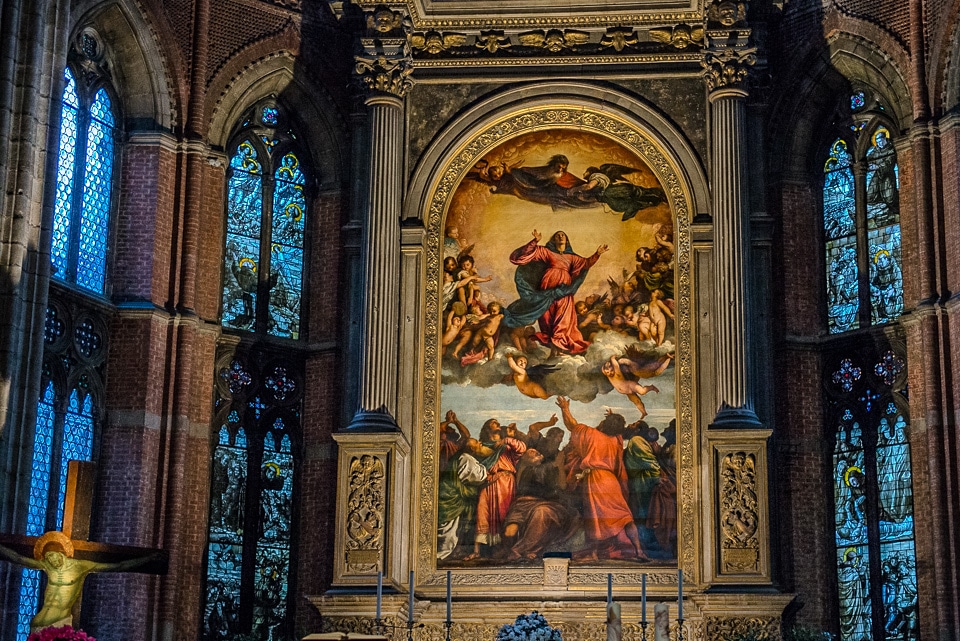
Venice — Still Worth It
Yes, Venice is crowded. Yes, it is expensive. And yes, it is still one of the most astonishing places on earth. The trick is to get there early in the morning, stay past the day-trippers, and wander away from San Marco into the quieter neighborhoods where the city feels much more intimate. We have visited Venice several times and never regretted a single one.
- A Context Travel Tour in Venice — How a guided tour transformed the way we understood the city.
- Grand Canal at Dusk, Venice, Italy — The view from near the Rialto Bridge as the light fades.
- Ceiling, San Marco Basilica, Venice, Italy — The golden mosaics of San Marco, seen at the right moment.
- Lion and Saints, San Marco, Venice — The symbol of Venice and what it means.
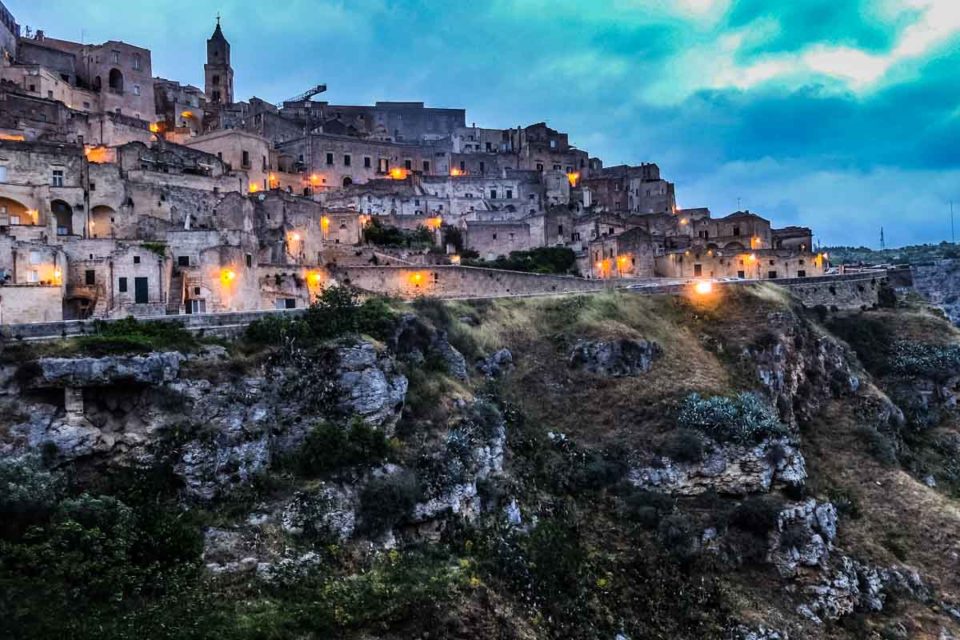
Puglia and the South — Italy’s Best-Kept Secret
If the north is Italy’s showroom, the south is its more rustic soul. Puglia — the long heel of the boot — is a region of olive groves, whitewashed trulli, cave churches, ancient ports, and some of the best food in the country. We spent weeks here on a cycling tour and came away convinced it is one of the most underrated destinations in Europe. It is far less crowded than Tuscany, far more authentic, and utterly beautiful.
- Where to Stay and Eat in Puglia — Our recommendations for food, wine, and lodging in the region.
- Eleven Things We Loved on Our Italy Bike Tour through Puglia — Seven days, seven towns, and 200-plus miles through one of Italy’s most beautiful regions.
- The Cave Churches, and More, of Matera, Italy — Matera is one of the oldest continuously inhabited cities in the world. It shows.
- Castel del Monte, Andria, Italy — An honest assessment: worth reading about, but don’t go too far out of your way.
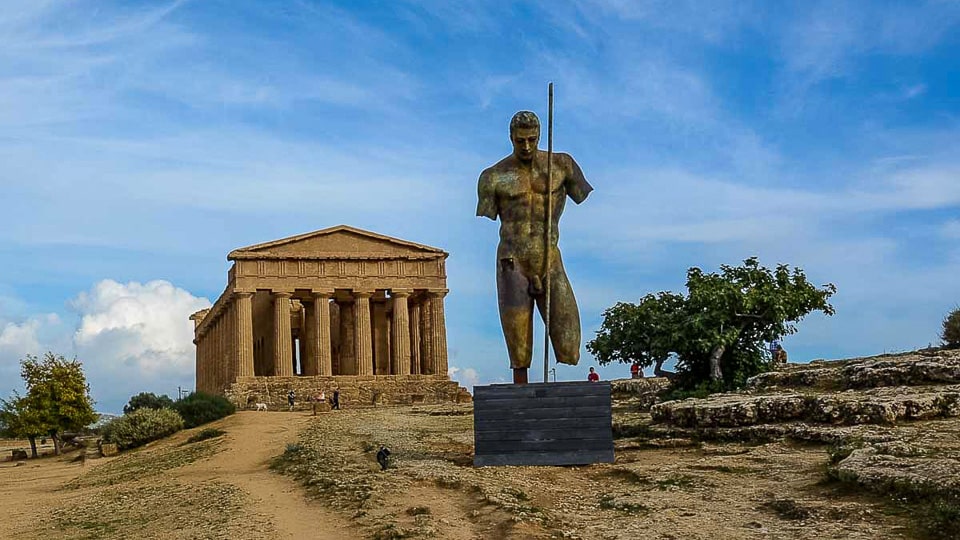
Sicily — Ancient History at the Edge of Europe
Sicily is a world unto itself — part Italian, part Carthaginian, part Greek, part Arab, part Norman, and entirely its own thing. The Valley of the Temples at Agrigento is one of the best-preserved collections of ancient Greek architecture anywhere, including Greece itself. Combine that with extraordinary food, dramatic coastline, and far fewer tourists than the mainland, and Sicily becomes one of Italy’s most compelling destinations for travelers who want depth over glamour.
- The Valley of the Temples, Agrigento, Sicily — Ancient Greek temples in remarkable condition, on a hillside overlooking the sea.
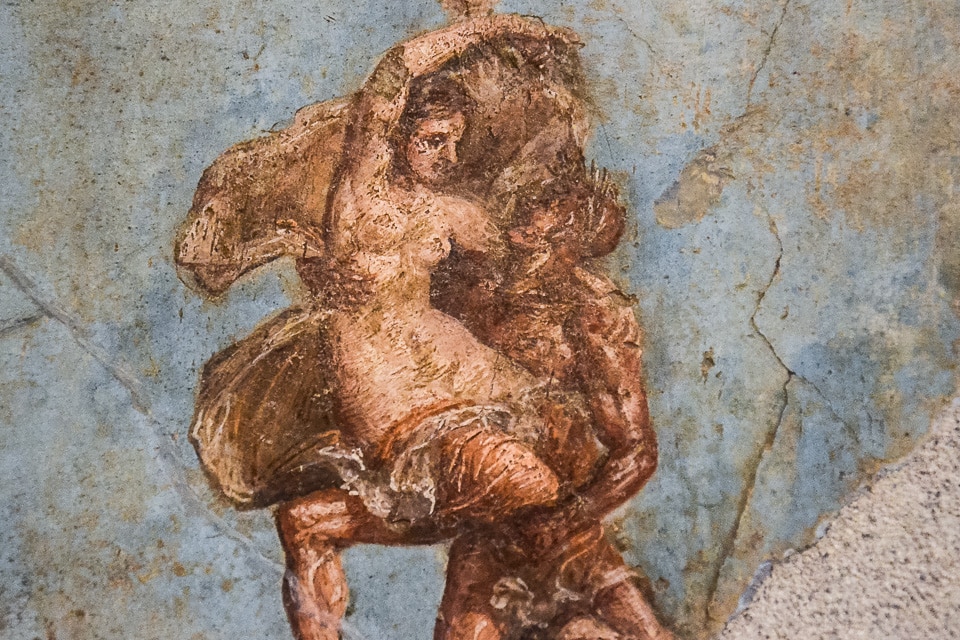
Pompeii, Herculaneum, and the Ancient World
You can’t spend time in Italy without a reckoning with its ancient past. And nowhere does that past present itself more dramatically than at Pompeii and Herculaneum and the Villa Poppea — three Roman sites frozen in time by the eruption of Mount Vesuvius in 79 AD. Walking the streets of Pompeii is one of the most strangely moving experiences available to any traveler. The National Archaeological Museum in Naples holds much of the art that was recovered, including some artifacts that surprised even us.
- The Ruins of Pompeii, Herculaneum, and Oplontis — Our first visit to the ruins, and the one that set the standard for everything that followed.
- The Erotic Art of Pompeii and Herculaneum — The Romans had a more open attitude toward sex. These artifacts, many now in a museum in Naples, tell that story.
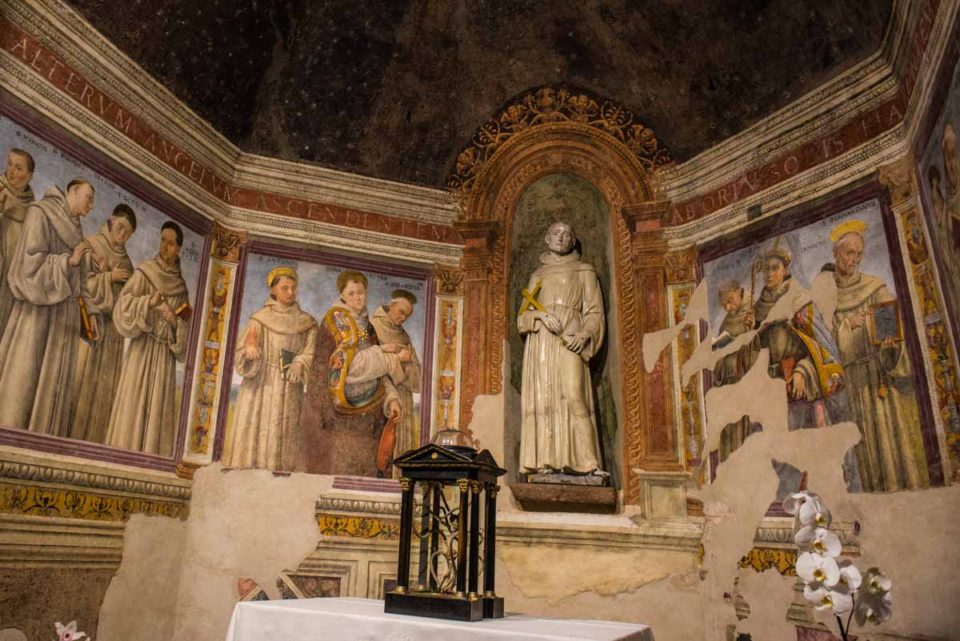
Smaller Cities Worth Your Time
Italy’s lesser-known cities are often where the best travel happens. They’re usually less crowded, more relaxed, and just as rich in history and art. These are the places we recommend to anyone who has already done Rome and Florence and wants to go deeper.
- The Best Things to Do with Two Days in Padua, Italy — UNESCO sites, a great university, and extraordinary chapel decorated by Giotto, and almost no tourists.
- What to Do in Assisi, Italy — The Umbrian hill town of St. Francis and St. Clare, best understood before you arrive.
- The Porticoes of Bologna, Italy — Twenty-four miles of covered walkways and some of the best food in Italy.
- Baptistery of St. John, Siena, Italy — Early Renaissance art in Florence’s quieter, less-visited rival.
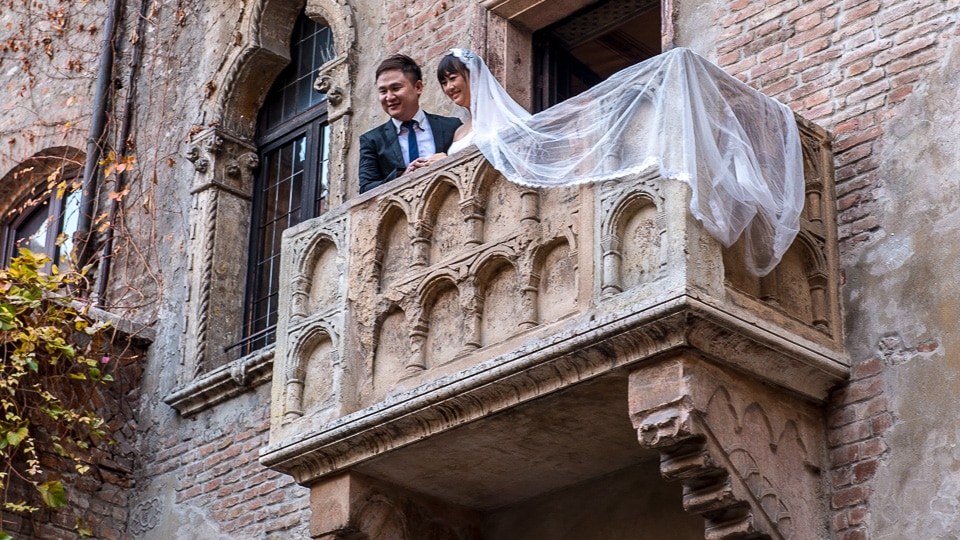
- Images of Verona, Italy — the city of Romeo and Juliet, seen through Tom’s camera.
- At the Edge of Italy: Visit Trieste — A border city with complicated history and a café culture that rivals Vienna’s.
Active Travel — Cycling Through Italy
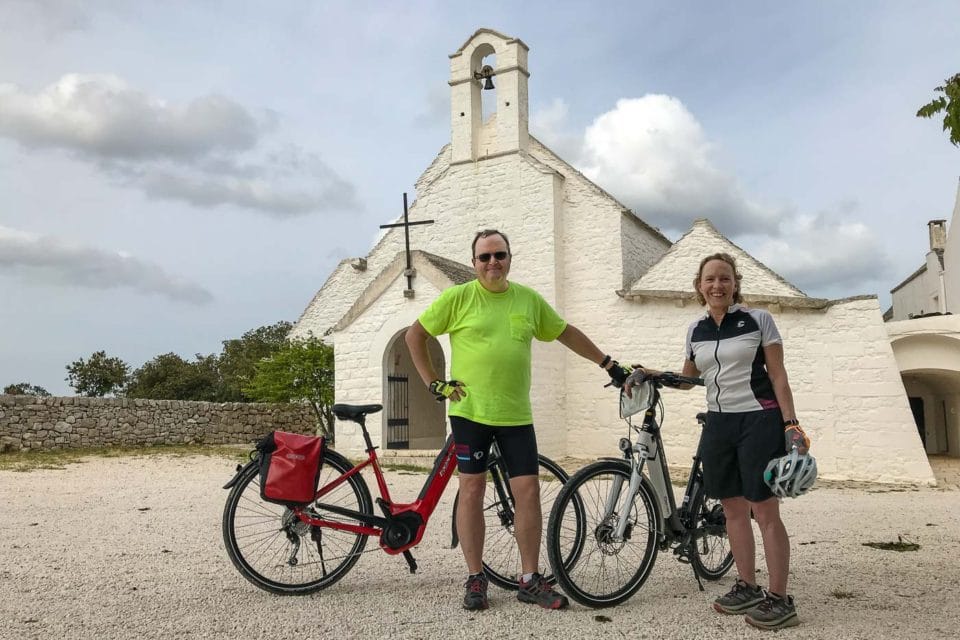
One of the best ways to experience Puglia — and Italy more broadly — is by bicycle. The terrain is manageable (especially with an electric-assist bike.) The roads are mostly quiet, and the pace allows you to notice things you would miss from a car or bus. We planned and completed a week-long cycling tour through Puglia and have been recommending it ever since. Here is everything we wrote before, during, and after that trip.
- Planning Your First Europe Bike Tour — Everything you need to know before you book a cycling tour in Italy or anywhere in Europe.
- Training for a Bike Tour in Italy, Kris and Tom Style — How we prepared for 200-plus miles through Puglia.
- Eleven Things We Loved on Our Italy Bike Tour through Puglia — The highlights of a week in the saddle through southern Italy.
- Podcast Episode: European Bike Tour — Expert advice on planning a European cycling trip.
UNESCO World Heritage Sites in Italy
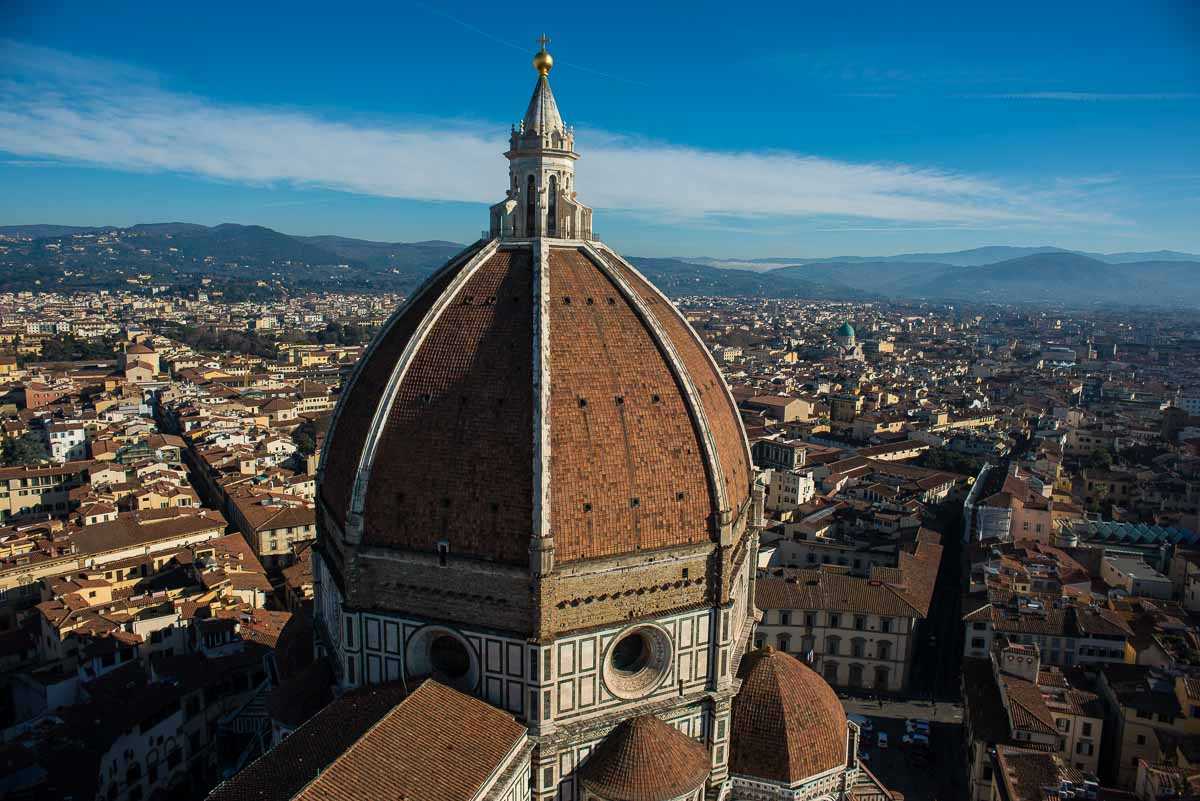
Italy has more UNESCO World Heritage Sites than any other country — a distinction that reflects both the extraordinary depth of its history and the remarkable survival of so much of it. We have visited a great many of them across our years of travel in Italy. This guide pulls them all together in one place.
- UNESCO World Heritage Sites in Italy — A complete guide to Italy’s UNESCO sites, with notes on which ones are worth going out of your way for.
Frequently Asked Questions About Traveling Italy Over 50
What is the best way to travel Italy for the first time?
Our strongest advice is to pick fewer places and stay longer. Most first-time visitors make the mistake of trying to cover Rome, Florence, Venice, and the Amalfi Coast in ten days. The result is exhausting and superficial. A better approach: spend four or five days each in Rome and Florence, add two or three days in Venice, and skip the rest for a future trip. Italy rewards depth. The second visit is always better than the first, partly because you already know what you missed.
How many days do you need in Italy?
Two weeks is the minimum for a meaningful first trip that covers Rome, Florence, and Venice without feeling rushed. Three weeks allows you to add Naples, Puglia, or the smaller cities of Umbria and Tuscany. For a dedicated slow travel approach — staying in apartments, exploring one region thoroughly — even a month goes quickly. If you only have one week, choose one city and know it well rather than skimming four cities poorly.
What is the best time of year to visit Italy?
April through June and September through October are the best months. The weather is pleasant, the light is beautiful for photography, and the crowds — while never absent in the major cities — are more manageable than in July and August. August is the worst month: Italians take their own vacations then, many local restaurants close, and the heat in Rome and Florence can be brutal. December through February is cold but quiet, and a remarkable time to visit Florence’s churches and museums without crowds.
Is Italy good for travelers over 50?
Italy is one of the best destinations in the world for travelers over 50. The culture rewards patience, curiosity, and a willingness to sit still — qualities that tend to deepen with age. The food is extraordinary, the art is inexhaustible, and the pace of Italian life outside the tourist zones is genuinely relaxed. The main practical considerations are the summer heat (plan your sightseeing for mornings and evenings) and the cobblestones in historic centers, which can be hard on knees and ankles. Comfortable walking shoes are not optional.
What is the best base city for exploring Italy?
It depends on your interests. Rome is the best base for ancient history, the Vatican, and day trips to Pompeii, Ostia Antica, and Hadrian’s Villa. Florence is the best base for Renaissance art, Tuscany, and the smaller cities of Umbria. Bologna is an underrated base — central, less touristy, and arguably the best food city in Italy. For the south, Bari is a practical base for exploring Puglia. We have used all of these as bases at different times and found each rewarding in different ways.
How do you get around Italy?
Trains are by far the best way to travel between Italian cities. The high-speed rail network connects Rome, Florence, Venice, Bologna, Milan, and Naples quickly and efficiently — Rome to Florence is about 90 minutes, Florence to Venice about two hours. For smaller cities and rural areas like Puglia or Umbria, a rental car gives you far more flexibility. We strongly recommend against driving in city centers — Italian traffic is chaotic, parking is nearly impossible, and many historic centers are ZTL zones (restricted traffic zones) where rental cars will collect automatic fines.
If you’ll be navigating trains, maps, and restaurant bookings on arrival, it also helps to sort out mobile data before the trip. A prepaid eSIM for Italy can make it easier to get online as soon as you land.
How much does a trip to Italy cost?
Italy can be done on a range of budgets. A comfortable mid-range trip — decent hotels or apartments, restaurant meals, museum admissions, train travel — runs roughly $200–$300 per person per day in the major cities. The south (Puglia, Sicily, Calabria) is significantly cheaper than the north. Costs drop considerably if you stay in apartments rather than hotels, cook some meals at home, and travel by train rather than by taxi. Pre-booking popular museums like the Uffizi and the Vatican Museums is essential and saves both money and time.
What should I not miss in Italy?
Beyond the obvious (the Colosseum, the Vatican, the Uffizi, the Grand Canal) our personal must-sees after decades of travel in Italy are: the Medici Chapels in Florence on a quiet morning, the streets of Pompeii at opening time before the crowds arrive, the Valley of the Temples at Agrigento in Sicily, the hill town of Assisi in Umbria, the porticoed streets of Bologna, and Puglia’s whitewashed trulli villages. For art, the single most underrated experience in Italy is spending a full day in the National Archaeological Museum in Naples.
Do I need to speak Italian to travel in Italy?
You do not need to speak Italian, but knowing a few phrases makes a meaningful difference. Italians respond warmly to any effort to speak their language, however imperfect. Learning to say buongiorno, grazie, per favore, il conto per favore (the bill please), and posso avere (can I have) will open doors that staying in English keeps closed. In major tourist areas, English is widely spoken. In smaller towns and rural areas, especially in the south, much less so — and all the more reason to learn a little.
Plan Your Italy Trip
Italy is best planned with patience and best experienced without a rigid schedule. Book your flights and your first and last nights, and leave room for the unexpected — the afternoon you spend longer than planned in a church because the light was perfect, the restaurant you found by accident, the hill town you passed through on the train and immediately wanted to stop in. That is Italy doing what Italy does. Use the resources above to start planning, and subscribe to our newsletter for ongoing tips from the road.