What to do in Sintra, Portugal, Other than Eat Pastries
I went to Sintra, too, but I’m not going to be able to improve on Byron’s ode to it’s beauty. Poor, paltry slaves! yet born ‘midst noblest scenes— Why, Nature, … Read more
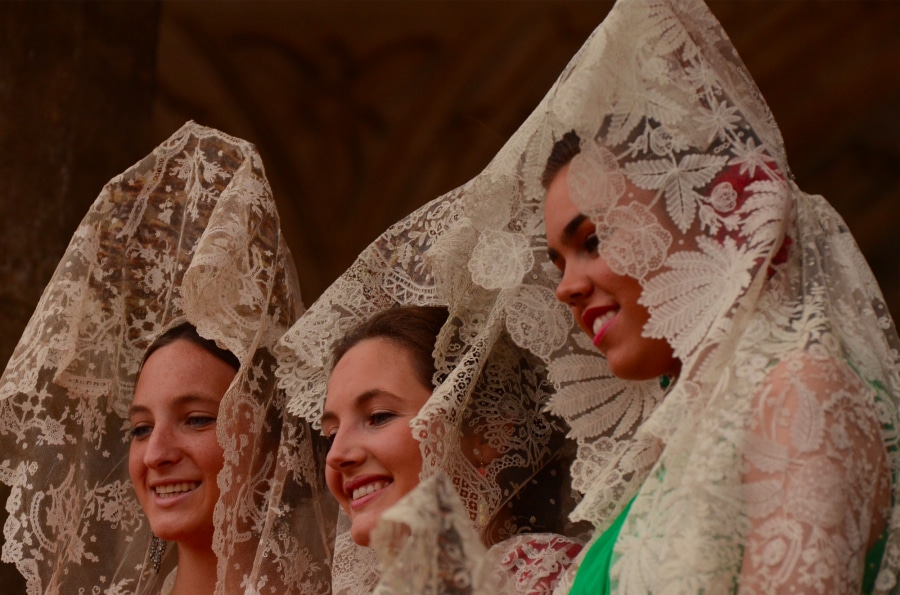
I’ve seen perhaps six or seven corridas (bullfights) in my life. Most of those were in the late 70s in Madrid and Barcelona…back when Barcelona had corridas. We saw some good ones, and some bad ones. We saw some brave bulls and toreros, and we saw other days when the bulls and toreros seemed to be running away from, rather than toward, each other.
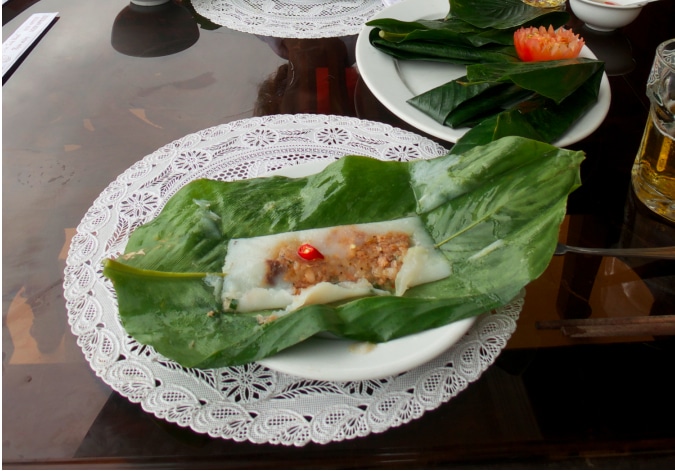
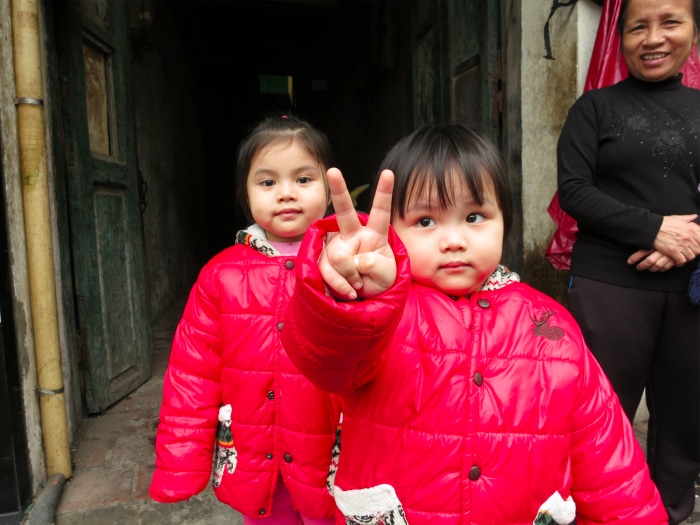
Focusing on food in Vietnam. Over three months in Asia, it seemed like the food kept getting better. It was wonderful in Bali, better and spicier in Thailand, and subtler yet perhaps even tastier in Vietnam.
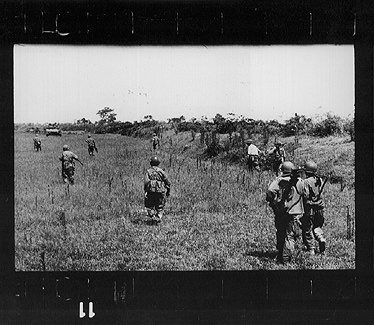
Although the American-Vietnam war has been over for more than forty years, sometimes it’s still a bit hard to escape. The reminders are there everywhere there is an exhibit of any sort.
Flag flying war memorials litter the center of Ho Chi Minh City, which is what the Vietnamese renamed Saigon after the American War. Most of these memorials feature captured American war materiel, such as intact helicopters, jet fighters, tanks and artillery pieces. You’ll run across them in parks, in the front yards of the aforementioned government buildings, and, of course, at the war museum sites.
The most visited tourist site in the city is the War Remnants Museum. The Museum used to be called the Museum of American War Atrocities.
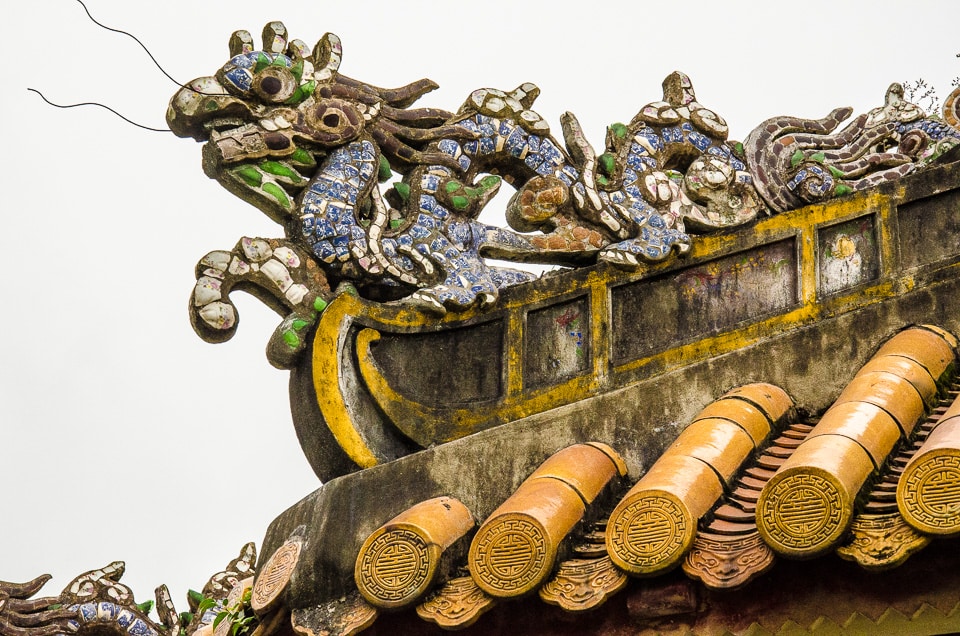
The Citadel, built by the Vietnamese emperors in the early 19th Century, was severely damaged in Vietnam’s two wars of the 20th Century. In 1947 against the French, and again in 1968 against the Americans, the center of Hue was the site of ferocious battles. The citadel area once held over 140 buildings. Only about 20 remain after extensive restoration since the 1990s. Most buildings were completely destroyed in the fighting and cannot be restored.
I don’t know why I picked eight things to tell you about Bangkok. It’s an arbitrary number, I know. But, I’ve heard that eight is generally regarded as a lucky number in Asia. I was in Bangkok for eight days. That might have something to do with it, but I don’t like to read too much into these things.
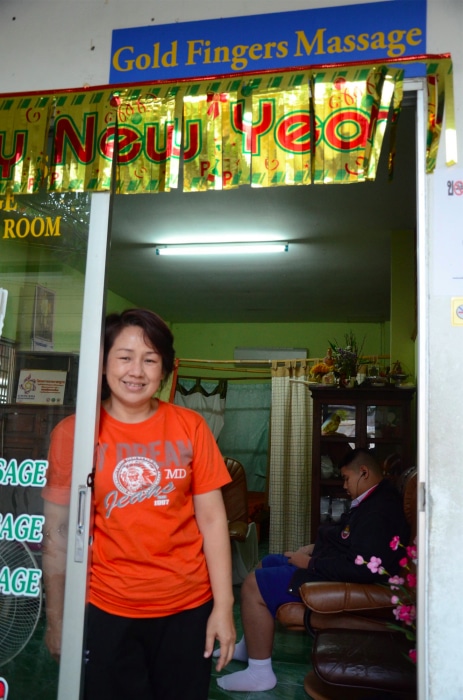
For those who have never had a Thai massage, you’re in for something different. In contrast to the soothing, along-the-line-of-the-muscle Swedish style prevalent in the US, the Thais believe that they should rub hard across the grain of the muscle. This has the effect of stretching your connective tissues, such as tendons and ligaments, in directions they’ve probably never been in before. Honestly, it hurts. But, after it’s over, you’ll ask yourself why the hell haven’t I been doing this all my life?
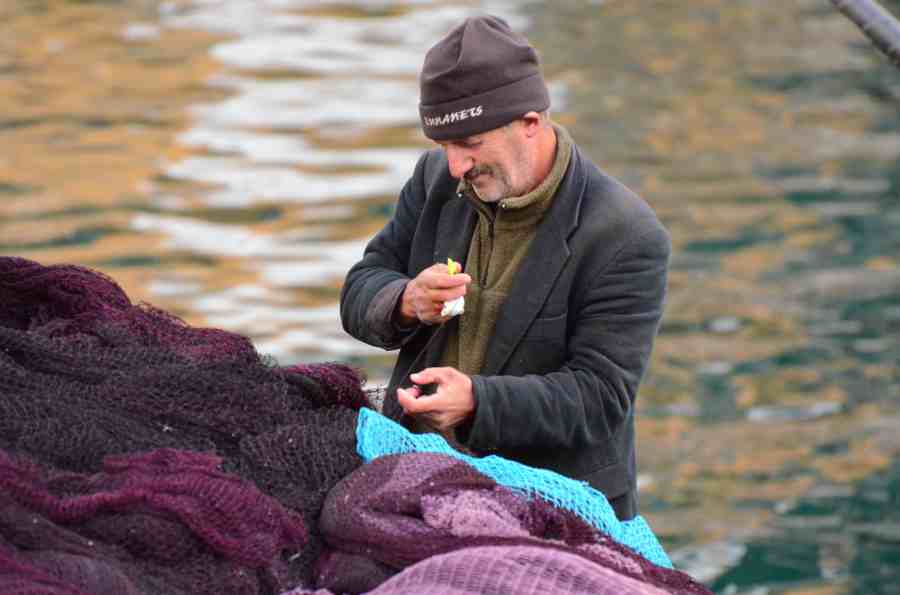
It may be a bit of an oversimplification, but you could probably say that Istanbul exists because of the Bosphorus. It was the first thing I wanted to see when we got there. We dropped our bags at the Empress Zoe hotel, and headed right out. We were only a few blocks away, and so our first impressions of Istanbul were those of the strong current flowing from the Black Sea to the Sea of Marmara, the ships lined up waiting for their pilots to take them through the strait, and the lines of fishermen with their lines in dark water.
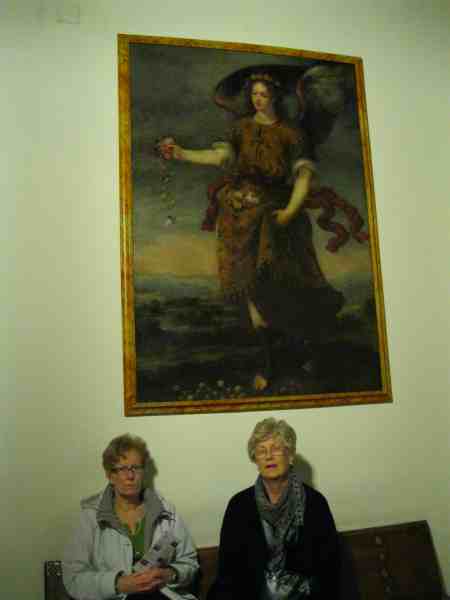
When Kris and I lived in Madrid thirty-two years ago we worked at a language school that was about eight blocks from our apartment. One of the routes we often took to work took us past a nondescript building with two large oak doors and a small sign beside one of them which identified it as a convent. (Here’s the Google map.)
The same sign offered tours during limited hours, but in all the time we lived here, and in our many subsequent visits to Madrid, we never got around to seeing what was inside the Monasterio de las Descalzas Reales. We remedied that this time.
Get our travel tips!