
Thanks to friends’ recommendations and a couple day tours, we got acquainted with the city of Buenos Aires quickly. It helped that our first visit was broken into three stays of about four nights each (October 2017, springtime), interspersed with travels elsewhere in Argentina – from Salta to Ushuaia.
Whether Buenos Aires is your destination or a stay on the road to adventure elsewhere, it’s important to allow enough time to pick up on the city’s personality and culture. Our familiarity was enhanced through a guided tour of typical local cuisine with Say Hueque Tours, a tango lesson at a real Buenos Aires milonga (also via Say Hueque), and a fun wine tasting tour with Context Travel.
Returning in 2024 and 2026, in the summer months of January and March, we continued to walk the city to connect the neighborhoods, but we also used Uber’s rideshare service so we could manage to visit even far-flung sections of the metropolitan area.
We’ve updated this original 2017 post to include more recommendations in more detail, covering neighborhoods and day trips, along with food, wine and tango. You’ll quickly see why Buenos Aires is called the Paris of the South and why it’s worthy of your time.
How many days in Buenos Aires?
A five-to-seven-day itinerary might be ideal for first-time visitors. Longer stays will be rewarded for thoughtful travelers interested in exploring various sections of this large and diverse metro area.
Though Buenos Aires is known as the ‘Paris of the South’ primarily because of its architectural references and cafe culture, it might be compared to other historic metro areas. It’s bigger than we imagined, and also more cosmopolitan. The urban area population is nearly 17 million. Like New York City, its character is based on waves of immigrants and pride in distinct neighborhoods. There are a wealth of eating and shopping options and, of course, the sort of energy that shows itself in rival soccer clubs, in hearty street demonstrations, in artistic activity, and in sincere discourse with visitors.
Most visitors are pleasantly surprised by how green the city is: tree-lined streets, many little urban parks, and acres of landscaped parks, recreation areas and botanic gardens. Also, it won’t take long to notice that Buenos Aires is a late-night city. Nighttime street scenes, filled with people, lights, and music spilling from bars and restaurants, are barely recognizable during the early morning, when dogs and their walkers are about the only creatures stirring. B.A. sleeps in.
Museums and Historic Sites
The essential Buenos Aires itinerary will include some or all of these key historic landmarks to kick-off your introduction to Argentina’s capital city. If you’ve been delivered to these sites by bus, be sure to return when you can to explore the neighborhoods around these attractions. (See more on the neighborhoods below.)
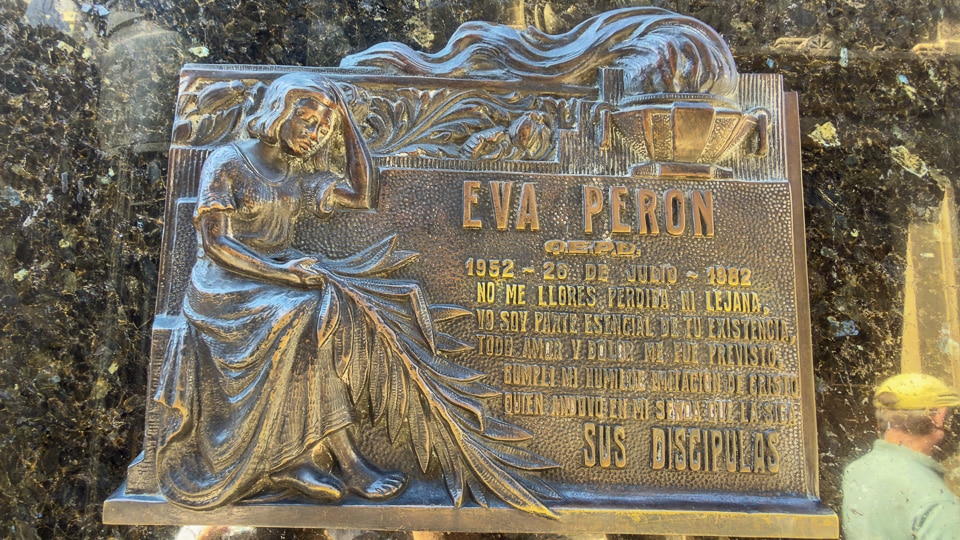
Recoleta Cemetery
It’s hard to imagine visiting this city without a stop at the cemetery, and specifically Eva Peron’s tomb. Do yourself a favor and take a guided tour; there’s lots more to learn.
Plaza de Mayo and Casa Rosada
The city’s main plaza is anchored by the Casa Rosada, the presidential office building so called due to its rose-colored stone exterior. The plaza, in one form or another, has been the nerve center of Buenos Aires since its founding in the late 16th Century. The present version was redesigned in 1884. The Metropolitan Cathedral sits to one side, looking more like a federal building than a church. Plaza de Mayo is an inviting spot to meet friends and is the traditional location of some of the country’s biggest rallies.
Cultural Center at El Palacio Libertad
No matter the name, head to this cultural center for visual and performing arts, the largest of its kind in Latin America. The present name is Centro Cultural Domingo Faustino Sarmiento. (Earlier it was known as CCK, but the Kirchner name, after former President Nestor Kirchner, was dropped in an effort to de-politicize public and cultural centers. Sarmiento, in fact, was a renowned member of the “Generation of 1837” intellectual group, a founder of Argentinian liberalism, and its President from 1868-1874.)
The enormous Palacio Libertad building was originally a post office, built in the 1920s. In the late 1940s and 50s, the Peróns were attracted by the grand style to carve out office spaces there for Juan’s government and Eva’s charitable work. One large room on the second floor recreates Eva’s office, with artifacts that transport visitors to that era.
Today the cultural center combines concert halls and gallery spaces. Admission is free. For an architectural jolt, just roam around the central hall now filled with a bulbous building-within-a-building – ‘The Blue Whale’ auditorium seating 1,950 and home to the National Symphony Orchestra. You’ll happen upon all sorts of contemporary artworks. You’ll be glad you did.
Teatro Colón
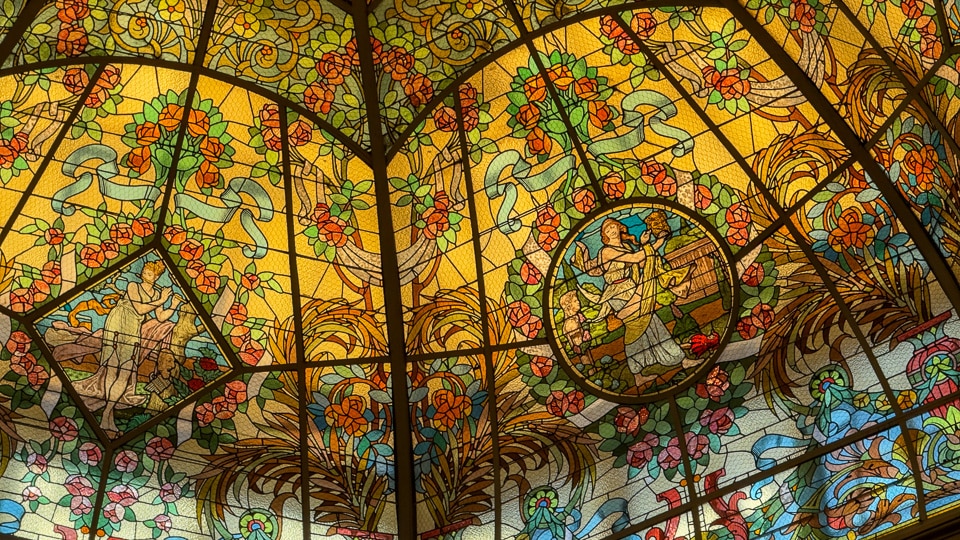
Another historic national monument in Buenos Aires is the opera house, Teatro Colón. The largest in Latin America and considered among the top acoustic halls in the world, Teatro Colón seats nearly 2,500 and hosts opera, ballet and concert performances. Excellent guided tours are available in English and Spanish.
National Museum of Fine Arts
Argentina’s Museo de Bellas Artes is notable for Argentinia artists, Latin American collection, Rodín collection, international 20th Century art, and quality temporary exhibits. It seems we require two visits per trip to Buenos Aires to take it all in.
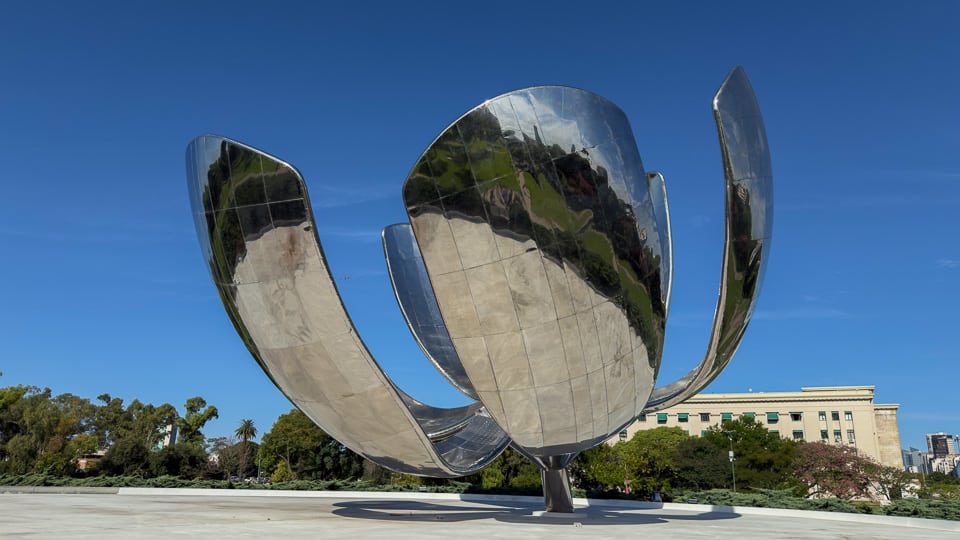
Nearby, walk through the United Nations Square to view the kinetic flower sculpture. Though damaged in high winds a couple years back, it is scheduled to start moving again later in 2026.
MALBA
The Museum of Latin American Art Buenos Aires offers a perfect complement to the National Museum, with a robust collectiom of Latin American modern and contemporary art.
Parks
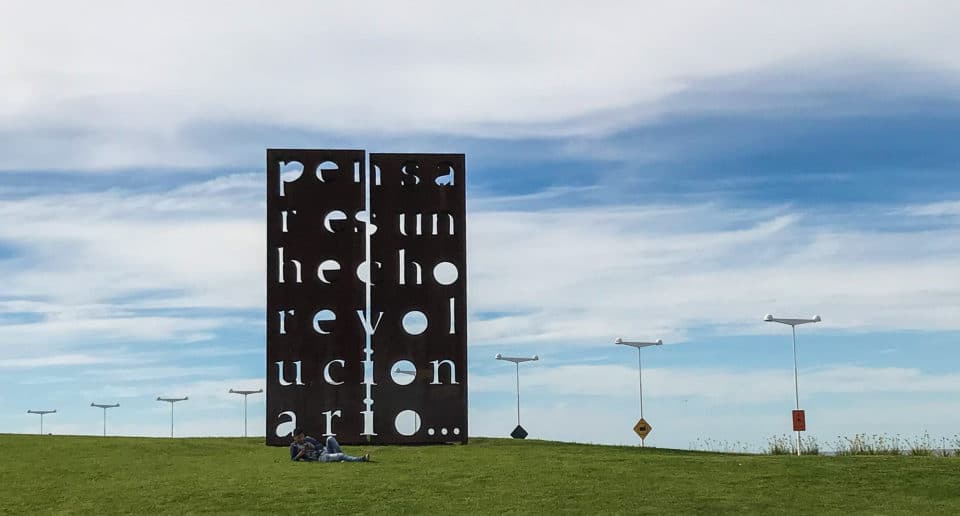
Buenos Aires has over 200 parks and green spaces, most in the Palermo, Recoleta, and Puerto Madura areas, and along the river. We recommend a visit to the Parque de la Memoria to really lay eyes on the wide Rio Plata and to visit the memorial for victims of state terrorism (1976-1983). “The Disappeared” and this era remain an essential piece of the Argentinian psyche to this day. Though quite a hike from Palermo neighborhoods, Parque de la Memoria is not far from Estadio Monumental, home to River Plate (Soccer) Club.
For more greenery, head to Parque Tres de Febrero, along the east side of Palermo. It’s busy, but has lots to offer: Poet’s Garden, planetarium, a Japanese Garden and the Buenos Aires Botanical Gardens.
Notable Cafes
You might visit one of the Notable Cafes for its historic designation, but don’t overlook the fact that you can enjoy some wonderful food, coffees, desserts, or drinks at these cozy and vibrant establishments. Cafe Tortoni may be the oldest and best known, but look for welcoming Notable Cafes in other neighborhoods, too. Here’s a good guide in English to notable Notables. See our food and drink section below for more.
El Ateneo Grand Splendid
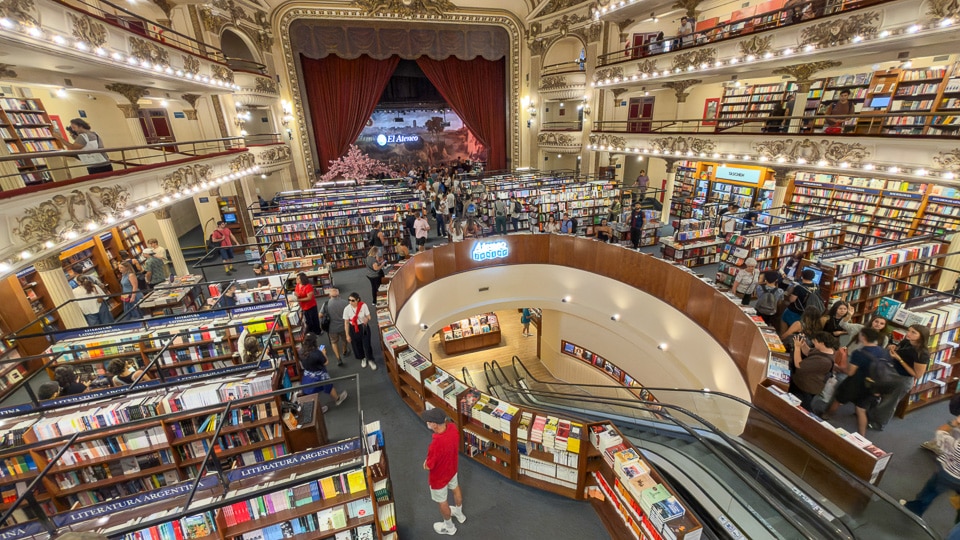
We have several favorite ‘most beautiful’ bookstores (Livraria Lello in Portugal comes to mind), but there’s nothing on the scale of
El Ateneo Grand Splendid.
Focus on Buenos Aires Neighborhoods
On foot, we discovered the Belle Epoque architecture of the Recoleta neighborhood, the modern Argentinean style that’s taken over the Puerto Madero waterfront, the colorful Bohemian style of La Boca, and the boutiques and antique markets of San Telmo neighborhood. And, don’t miss a stroll through the Plaza de Mayo, where crowds used to gather to hear Eva Peron speak from the balcony of the Casa Rosada.
The City of Buenos Aires’ own tourism site provides very fine detail about the features and ambiance of the Most Emblematic Neighborhoods.
You’ll want to check out San Telmo on a Sunday to enjoy the antique markets. La Boca may be the most photographed neighborhood. In Recoleta and Palermo, besides major attractions, artisan stands pop-up on streets lined wiht popular restaurants. Enjoy your walks.
Food and Wine in Buenos Aires
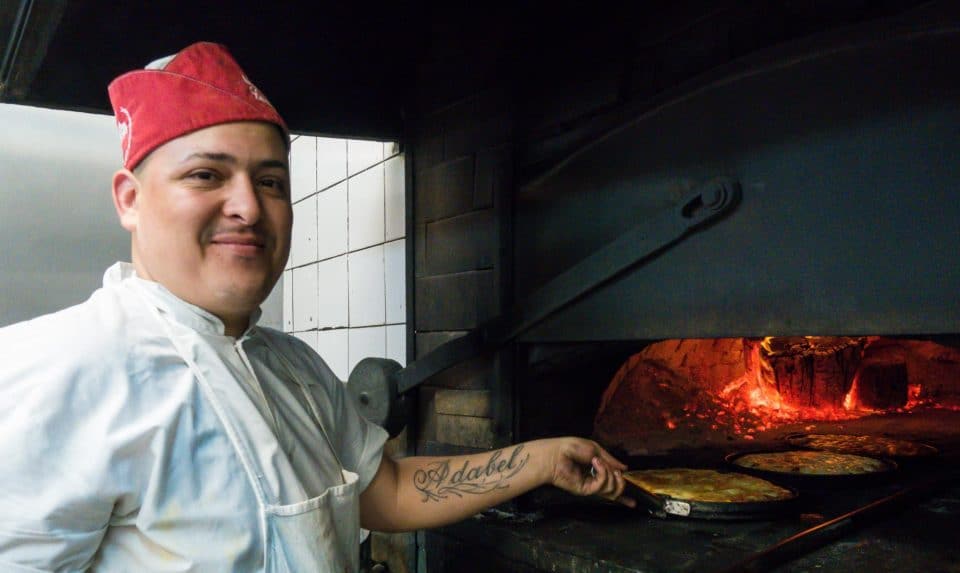
As mentioned above, one of our earliest introductions to the city was on a food tour with our two Say Hueque guides, Marcela and Vanesa (both vegetarian). Quickly, we gleaned the influence of Italian and Spanish immigrants: thick cheesy Italian pizza slices pulled from wood burning ovens; rich chocolate and churros similar to Spain’s; Italian-style gelato in dozens of nut, fruit, and chocolate flavors.
We’ve since rounded out our culinary explorations with wine tours, a Mate experience, and plenty of restaurant searches on our own.
A Buenos Aires Wine Tour
It’s been a while since our wine tour in Buenos Aires, but the great information we learned still holds. Read more about Argentinian wines this separate Travel Past 50 post. Or explore all the approaches offered by Context Travel so that you can learn about, taste, and find the perfect wines to suit you.
A Mate Tea Experience
Naturally, I’m drinking Mate as I write. While we’d observed many locals drinking this sort of tea, now popular across South America, we wanted to learn more. Fortunately, Mate Bar Experience was developed to share the story of Yerba Mate and how to prepare this ubiquitous drink.
The Yerba Mate plant comes from forests east of the Andes, from Paraguay and southern Brazil down through Uruguay and northern Argentina. It was first harvested and consumed by the indigenous Guarani people. To newbies, it might taste bitter, like chewing on bark and twigs. But after some sampling and detailed instructions on how to prepare our cups, we were ready to carry the tradition back home. Now I’m armed with my thermos of 175-degree water, a wooden cup (totally unnecessary but cute) and my stainless steel bombilla – the straw with a spoon-shaped bottom that filters the tea from the water as you sip. I ‘cheat’ and add a few drops of Agave syrup to make my suave tea a bit sweeter.
Note: with the Argentine accent, yerba is pronounced ‘share-ba’ and bombilla is pronounced bōm-beesha. The Mate Bar Experience can be booked directly or via Get Your Guide. Only about a dozen people can be accommodated at once, so it’s a fun way to meet others – or take over the space with your small group.
Foods and Restaurants
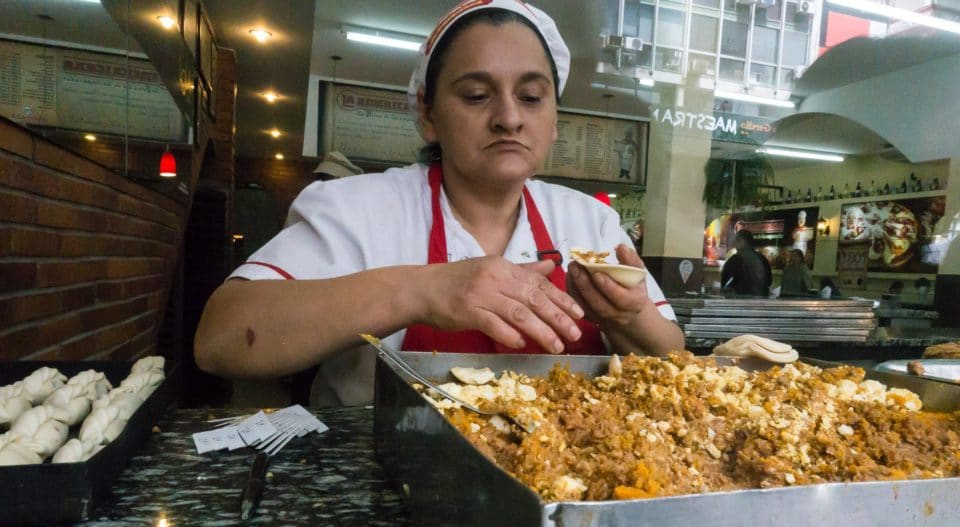
Empanadas. Typically filled with seasoned ground meat, ham and cheese, or roasted vegetables, modern empanadas are probably not too different from those made up in the Andes or near Salta, considered the home to this popular Argentine staple. At La Americana (see resources below) we ate the best empanadas of our entire month in Argentina. Discover “the queen of empanadas” at La Americana. Yes, they’re the best.
Pizza. Porteños love their slice of pizza. Visit the the famous Güerrin, and ask for for a piece of fainá (a chickpea flatbread) on the side.
Fernet. This popular herb liqueur is usually ordered with Coke. It’s commonly available at Notable Cafes and other bars. Check out La Giralda, a Notable Cafe popular for its rich chocolate and churros. And Fernet. Why not?
Gelato. It seems you can find good gelato on nearly every street corner. But for a historic twist, visit Heladeria Cadore for gelato the way you’ve imagined it. This place dates back to the late 1800s.
Spices and teas. Visit the famous El Gato Negro to shop for gifts and select foodstuffs in an cafe/shop with an old-school pharmacy feel.
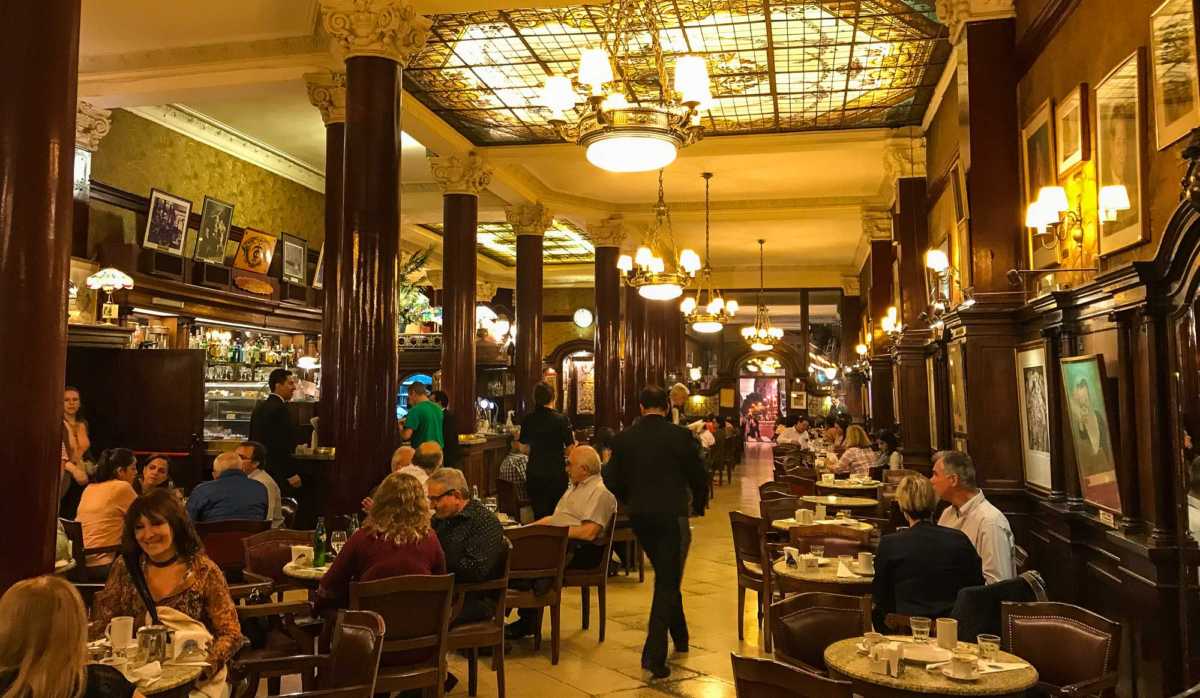
Notable Cafes. The distinction of “Notable Cafe” is given to dozens of establishments that evoke the era of early 20th Century Buenos Aires. The etched glass mirrors, wooden wainscoting, aproned waiters, and marble-top tables made us think of one-time coffee drinking, cigarette smoking intellectuals talking over the arts and politics of their country. (There’s very little smoking in Buenos Aires these days, by the way.) These Notable Cafes still churn out delicious foods and drinks at reasonable prices. Go out of your way to include a few of these cafes in your visit.
The famous Cafe Tortoni is jammed with history, art-filled walls, display cases, statues and memorabilia of famous visitors. This is a place to savor. A late night snack can morph into more tango, if you please. We also enjoyed midday respites at Almacén y Bar Lavalle and Varela Varelita, both unassuming but totally notable cafes.
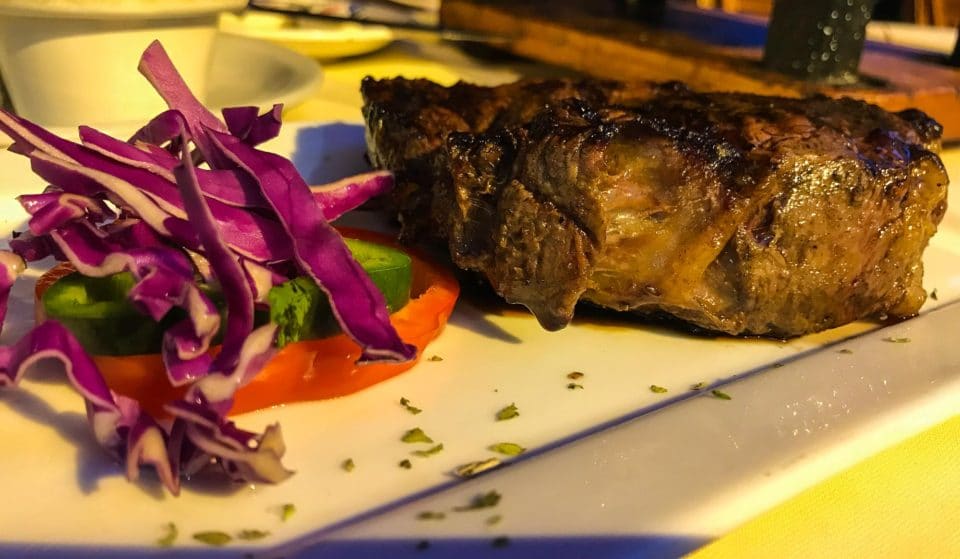
Parilladas. Argentina is know for its grilled steaks, and the parilladas (grill houses) serving them are spread across the city. Here’s a useful guide to various cuts of beef and how to order your desired cooking level. Note: the tendency in Argentina is to overcook to normal North American standards, so maybe request a step less ‘done’ than usual. Jugoso is medium rare (often showing up at the table cooked to medium; vuelta vuelta is rare, and just about right to our medium rare habits.
Here are a few parilladas we’ve enjoyed:
Clark’s Recoleta. Reasonable price, convenient location near Recoleta Cemetery, and a mighty fine steak.
La Payuca. Known for barbecue, but also good fish and salads.
And more restaurants.
Sorrento Restaurant. When beef is not enough (or too much) try this restaurant specializing in fish and seafood, plus pasta.
Cucina Paradiso. A nice neighborhood Italian restaurant serving fabulous fresh homemade pasta. Locations in Palermo Soho and Recoleta.
Mi Gusto for delicious empanadas, plus pizza delivery.
La Mantequeria, the top bakery for medialunas (croissants) and other baked goods. Several locations.
Coronado Restaurant. Fine dining adjoining the MALBA art museum.
Peńa La Morena. Empanadas and comfort food in a folksy place.
Pertutti Suc. Plaza de Mayo. Classic cafe on Plaza de Mayo, specializing in pastries and cakes.
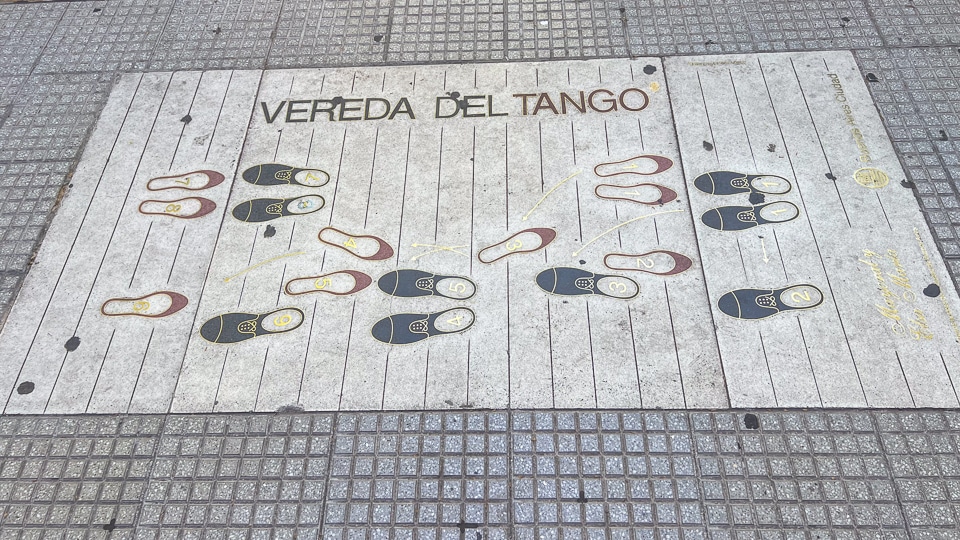
Tango. Just Try It
We’ve been fortunate to have had two entirely different tango experiences on two different visits. The first was an evening at a La Viruta Tango Club, beginning with a lesson. If we could stay up late, we were promised, we’d see some of the city’s best tango dancers who would stroll in after 2 a.m. when the cover price was dropped.
The lessons were fun…and challenging. Tango, it seems, is harder than it looks! We were rewarded when we could take a seat in the corner and watch the locals show up, singly, in pairs, with friends, young and old, men and women. They changed into their shoes and took the floor, moving gracefully around the dance floor.
Milonga refers to the social setting where people show up to dance and get together with friends over a drink. They are casual, participatory affairs and all levels of dancers are welcome. Even novices, foreigners, and onlookers are invited to take the floor.
At the other end of the spectrum are the extravagant tango shows, like the one we saw at Gala Tango. There we had a really helpful beginner lesson, followed by a dinner show. Don’t dismiss this sort of production. Yes, the audience is primarily tourists, but with live music and some of the world’s top tango dancers, Gala offers an excellent professional tango performance.
Besides the two places mentioned above, you can consider El Beso, La Casa de la Milonga for classes and milonga sessions every day of the year.
Day Trips from Buenos Aires
Tigre
Tigre is a popular weekend destination for Porteńos, and a fun day trip for visitors. Located in the river delta to the north of the city, it can be reached by car, train, or ferry. It was once a posh getaway, and still the main attractions are related to the town’s many rowing and boating clubs, as well as the art museum established in a renovated social club.
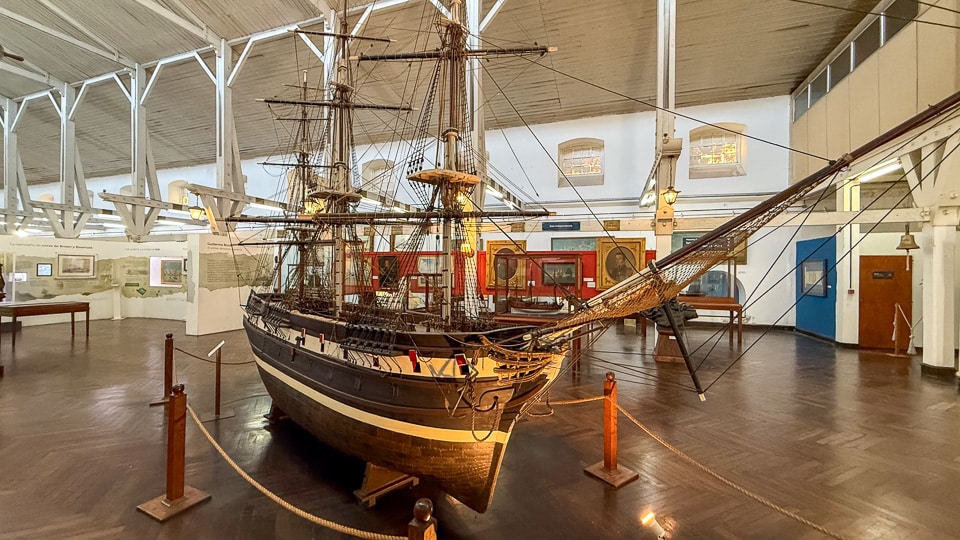
Visit both the Museo de Arte Tigre and the Museo Naval de la Nación. The first is a remarkable private collection of mostly Argentinian work, housed in the architecturally fascinating Tigre Club. The Naval museum is a meticulous collection of ship memorabilia and aircraft from the country’s entire history at sea.
Do allow time for lunch and a walk along the canals and rivers, busy with all kinds of boating traffic.
Colonia del Sacramento, Uruguay
The historic old town of Colonia del Sacramento was designated a UNESCO World Heritage site in 1995. The city was founded in 1680 by the Portuguese. Over the centuries, both Spain and Portugal have imposed their influences, but part of the town’s charm is its urban layout eschewing the grid pattern to follow the river banks and topography with cobblestone streets leading to various squares and parks. We took a guided tour and learned quite a bit about Uruguay in general. The town itself can be covered in a couple hours.
This international ferry access from Buenos Aires to Colonia del Sacramento is provided by Buquebus. It takes a couple hours, not including boarding time.
Where to stay
Back in 2017 when we first visited Buenos Aires, we stayed at an AirBnB in the Palermo Hollywood neighborhood. Besides enjoying our bright, sunny place (with exceptional maps, notes and recommendations provided by our hosts), we were well situated between the busy center of old Palermo and a more residential area. This neighborhood, known as the Audio Visual area due to the TV and recording studios here, offered plenty of coffee shops and restaurants, grocery stores and services right at our feet. Just across Calle Dorrego was a big flea market, a great hodgepodge of antiques, furniture, and tchotchkes.
Also in Palermo:
Bulnes Eco Suites. Full service apartments. Near pleasant Plaza Güemes and walkable to Recoleta.
The Glu Hotel. welcoming boutique hotel withe breakfast available on the interior patio. Easy walk to lively Plaza Serrano.
Nuss Hotel Buenos Aires Soho. Also convenient to Palermo’s Plaza Serrano.
Getting there and getting around
Buenos Aires has two airports. The larger Ministro Pistarini International Airport (EZE), usually called Ezeiza Airport, is quite a distance from city center. It can take anywhere from 45 minutes to 90 minutes to transfer into or out of the city, depending on traffic. The Aeroparque Jorge Newbery (AEP) is the usual airport for domestic flights and is located close to city center.
Buses and metro can be accessed with a SUBTE card, purchased at kiosks. Instead, we jumped around via Uber.
To plan your itinerary in and around Buenos Aires, we also recommend you check out the Buenos Aires official tourism site.
Note: Traveling elsewhere in Argentina? Check out our posts about the colonial town of Salta in the north, and about Ushuaia, the world’s southernmost city and the jumping off point for travel to Antarctica.