There’s always a gap between trips — a few weeks, a few months, sometimes longer than you’d like. Long before the internet made it easy to feel connected to far-off places, people filled that gap with parlor talk: outdated maps, faded photo albums, dusty souvenirs, and the occasional traveler invited in to share stories over dinner. We still read books, browse magazines, and imagine ourselves in the pictures. Our friend Christiane, who splits her time between Paris and Massachusetts, recalls hosting near-strangers (like us!), just to hear about the world through new eyes.
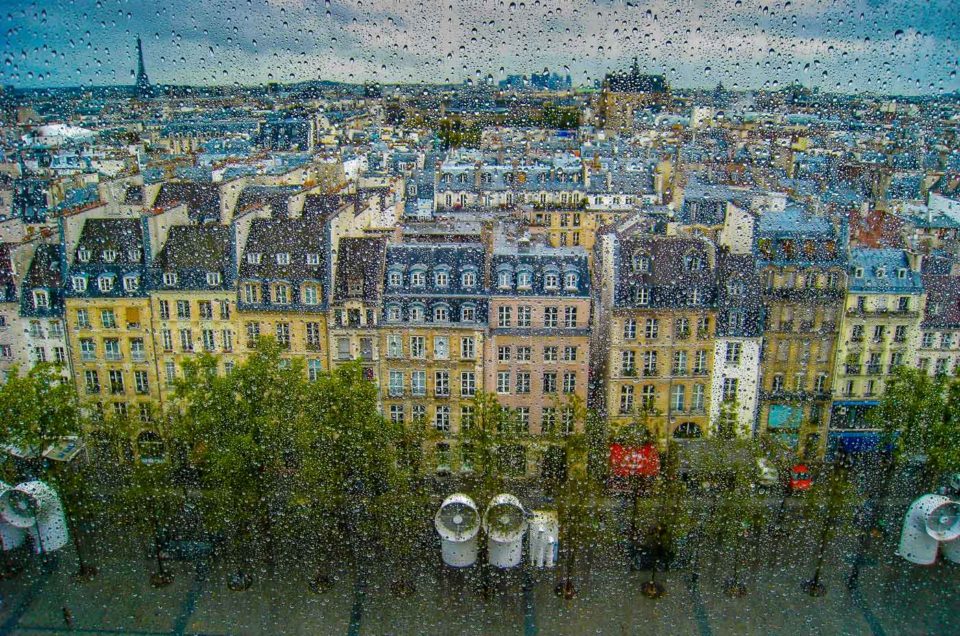
The tools have changed. The instinct hasn’t. Christiane still keeps a running list in her head of everything she wants to do next time she’s in Paris — see the Christmas lights, walk the Tuileries, hear her native language spoken on the street. We still page through guide books, but mostly online. That habit of staying tuned in — noticing, planning, imagining, practicing — is really what keeps a traveler a traveler, even when the passport’s in a drawer.
So we asked travelers from around the world a simple question: What keeps your travel curiosity alive between trips? Their answers turned out to be less about killing time and more about building the habits — curiosity, skill, memory, connection — that make you better at travel itself. Here’s what they told us.
Look Closer to Home
Find Adventure Where You Are
By Janet Oberson, Jan Adventures. Jan lives in Switzerland.
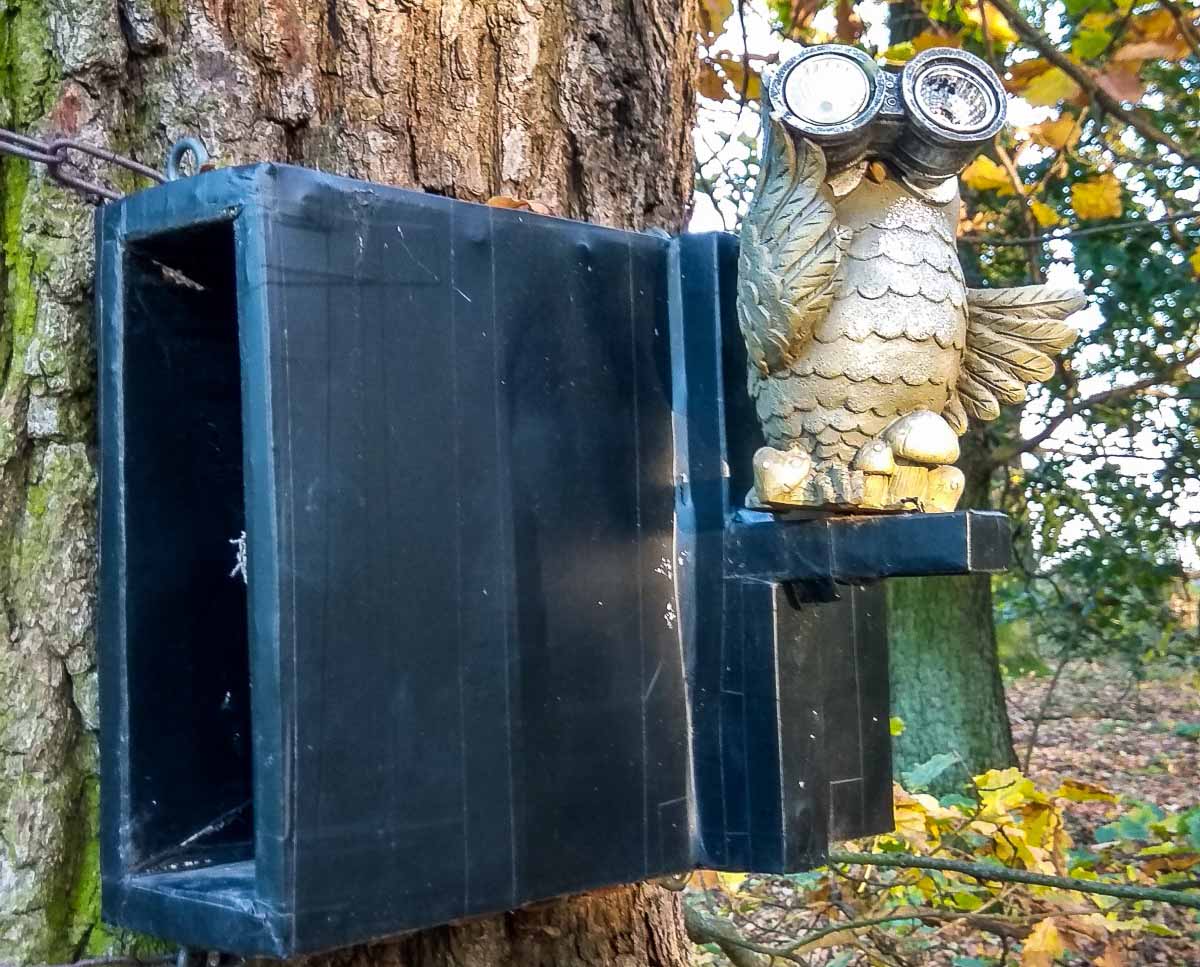
A handful of short trips within Switzerland turned up places I never knew existed, simply because I stopped assuming “real” travel had to mean somewhere far away. It also taught me to slow down and actually reflect on past trips instead of rushing straight into planning the next one — to appreciate the freedom of being able to go anywhere, anytime, rather than taking it for granted.
Explore Your Own Country First
By Maureen Spencer, So Many Places So Little Time. Maureen lives in Auckland, New Zealand.
New Zealand may be one of the best places on Earth to explore close to home — mountains, beaches, geothermal fields, caves, and forests, all without the crowds you’d fight overseas. One of our favorites: the Coast to Coast Walk, which lets us say we’ve walked across New Zealand in four hours flat.
Make a Game of It: Geocaching
By Adriana Plotzerová, Czech the World. Adriana is based in Prague.
Geocaching is a worldwide outdoor adventure game — all you need is a smartphone or GPS device to hunt for small hidden containers, called geocaches, scattered by the millions across the globe, many closer to home than you’d guess. Create a free account at Geocaching.com or grab the app, search for caches nearby, and go. Once you find one, sign the logbook and, if you take a trade item, leave something of equal or greater value. It’s a low-effort way to satisfy the same itch that sends people scrounging for thrift stores: the drive to find something you didn’t know was there.
Our notes: Take advantage of your local media to point you to new venues, artisans, restaurants or events. Develop your own special interest hit list, like visiting thrift stores or book shops or galleries, studios, or workshops.
Get started on touring your own backyard with our tips for day hikes and city walks. This is great training for all the walking you’ll do while traveling, too.
Taste the World from Your Kitchen
International Snack Swaps
By Heather Trimm, Trimm Travels. Heather is based in Birmingham, Alabama.
International snack swaps — a social-media-driven, less rigid cousin of the subscription box — let you trade treats with people in other countries. I’ve swapped for snacks from places I’ve visited and missed, and places still on my list. Beyond the food, the friendships that come out of it are the real souvenir.
Research Your Next Food Adventure
By Sherry Ott, Ottsworld. Sherry is based in Denver after 14 years on the road.
Foreign accents, cookbooks, food documentaries — anything that scratches the travel itch counts. Lately I’ve been putting that energy into research: digging into food tour companies and regional specialties for trips I’m planning years out, not just months. It keeps the excitement alive even when the booking is still a long way off, and by the time I actually land somewhere, I already know which market stall or bakery I’m heading to first.
Themed Evenings with Wine and a Movie
By Constanza Fernández, Experiencing the Globe. Coni, who is Chilean, lives in Split, Croatia.
A bottle of French wine and a viewing of Amélie was enough to send my mind to France for an evening. Since then, my boyfriend and I have made a habit of “traveling” through dinner and a film — Prosecco, tortellini, and La Dolce Vita for Italy; lentil dahl and Indian Matchmaker for India. We’ve made our way from Ethiopia to Thailand this way, and every trip starts with me digging out old photos or reading up on a place I haven’t been yet.
Cook from the Places You’ve Been
By Lori Sorrentino, Travlinmad. Lori is based in Naples, Florida.
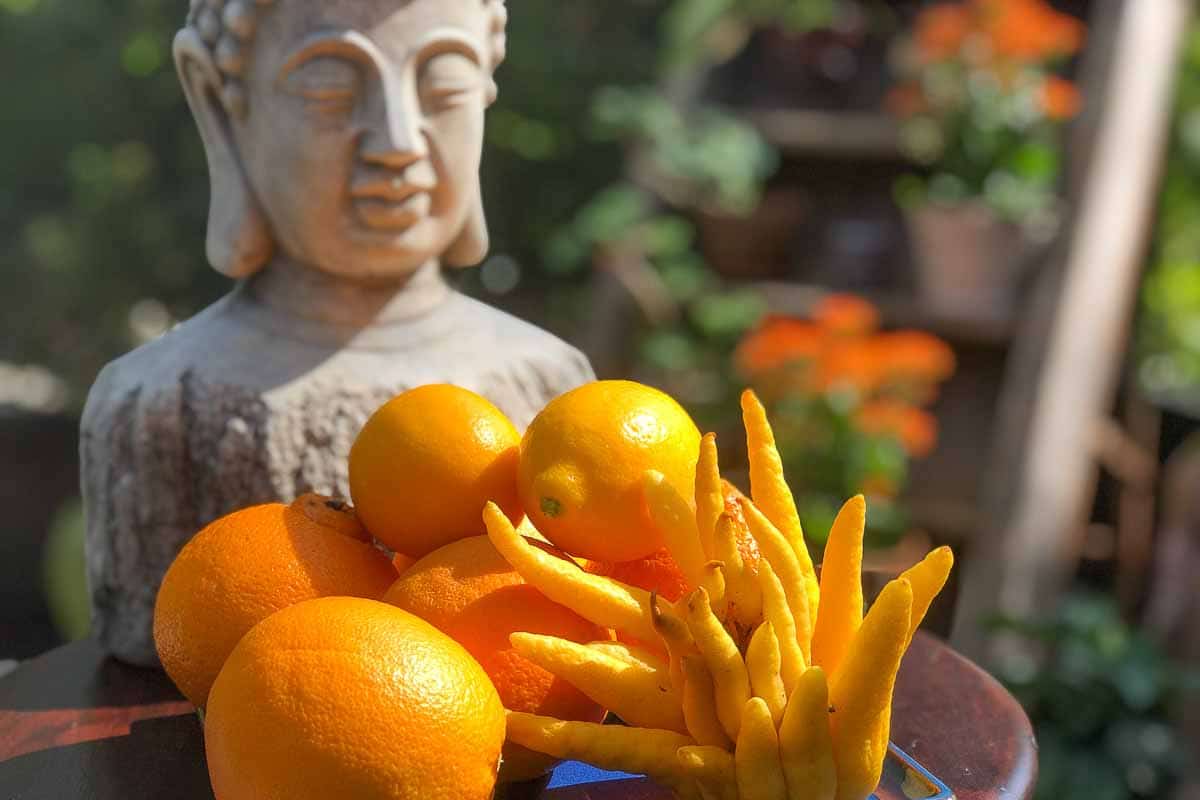
We’ve been working through our souvenirs from Italy — the recipes and cooking tools we brought home — to relive past trips one dish at a time. Pasta alla Genovese, made the slow way with hours of simmering pork and onion; fresh focaccia, started in the morning and baked by dinner; candied citron, the sweet-bitter treat popular on the Amalfi Coast. Cooking a place’s food is its own kind of return visit.
Our Note: We’ve collected many of the Spanish food recipes we make at home to share with you.
Build the Skills That Make You a Better Traveler
Turn Downtime into a Project
By Leyla Alyanak, Women on the Road. Leyla lives in France.
Years ago, during an eight-month journalists’ strike, I mostly watched reruns and waited for it to end. I promised myself that next time I had a stretch of unplanned time, I’d use it. So when I found myself with more time at home, I finally found a guitar teacher online — decades after learning as a teenager — and I launched Offbeat France, a site exploring the unexpected corners of the country I’d been too busy traveling from to explore. Both projects did the same thing: they turned open time into forward motion.
Learn to See — and Shoot — What’s Around You
Steve Rout, Ski Resorts Network. Steve lives in Austria.
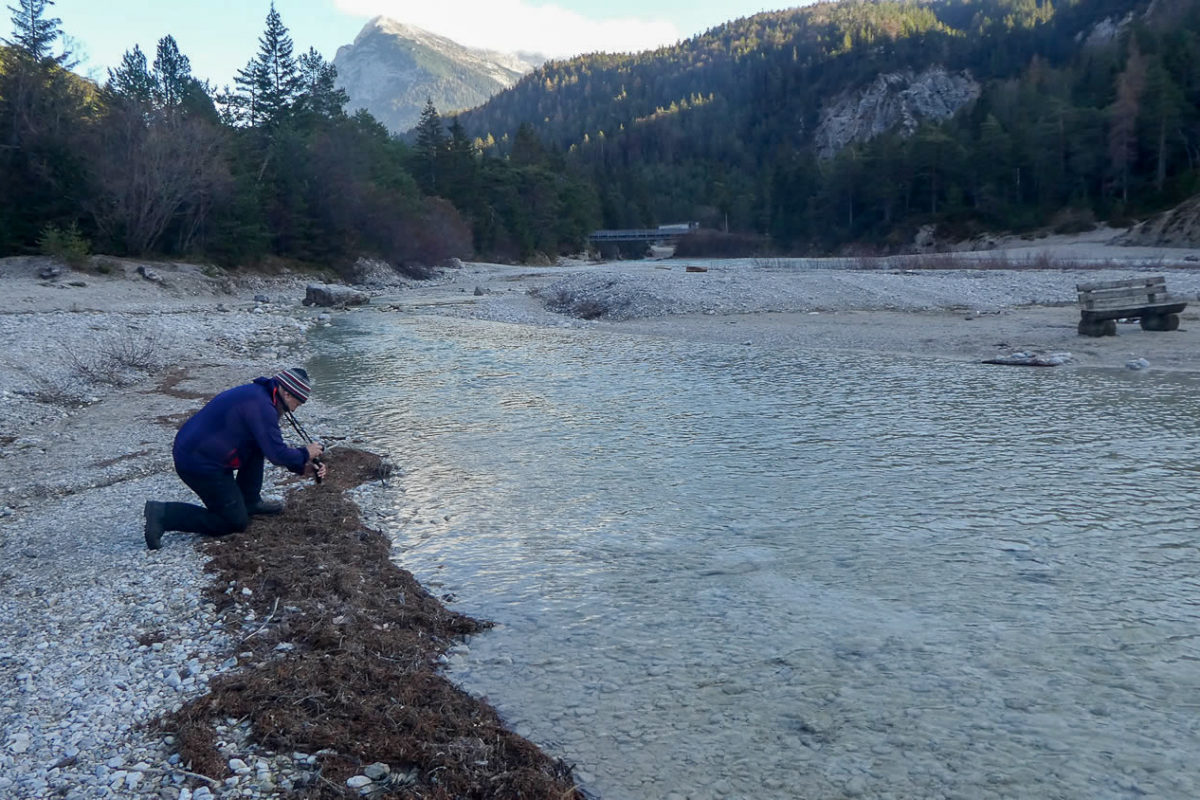
I used to think of personal travel videos as the shaky descendant of the old holiday slideshow. A new camera and some unplanned time at home changed that. I started practicing on nearby trails, woods, and water — exploring texture and light through the seasons — and learning to edit, cut, and think about what a shot was actually meant to convey, not just document. The real lesson wasn’t the gear. It was practicing the instincts that make a traveler: looking closely, trying something new, figuring out what you’re capable of — skills that carry over into everyday life just as easily as they do on the road.
Our Note: As we’ve learned more about video editing, we’ve found it’s worth adding subtitles to video projects. Just like in print, captions make stories easier to follow — for friends, family, blog readers, or social media followers alike.
Learn a Language, Anywhere
By Ingrid T, Second-Half Travels.
My favorite form of slow travel is language study — the kind that comes from a language school and a host family, forming friendships along the way. You can build a version of that immersion from home. Right now I’m relearning French after almost 30 years away from it, while keeping up my Spanish and Portuguese with one-on-one lessons on iTalki or Verbling.
If you’d rather trade than pay, My Language Exchange and HelloTalk connect you with native speakers for reciprocal practice — half the conversation in your language, half in theirs. Group practice groups on Meetup and gatherings like the Polyglot Gathering are good for finding a regular crowd.
Our note: For more on building language study into a travel habit, see Tom’s slow traveler’s guide to language classes abroad.
Read, Remember, Reach Out
Travel into Different Worlds with Books
By Nadine Maffre, Le Long Weekend. She writes to us from France.
Between international trips, reading is how I keep traveling in my head — into different times, places, and other people’s minds. American Dirt carried me along a harrowing journey from Mexico to the U.S. border. Marian Keyes’ Grown Ups took me deep into a dysfunctional Irish family. Where the Crawdads Sing dropped me into a 1950s North Carolina coastal town. A good book does what a plane ticket does. It transports you, just without the layover.
Our note: See the book section of our Amazon store for a wide-ranging display of books we’ve read over the past years. Not all are about travel, but all help us see the world in new ways.
What we do when we’re between travels combines all these activities. The travel habit is a state of mind, an interest in the familiar and a desire for the unfamiliar.
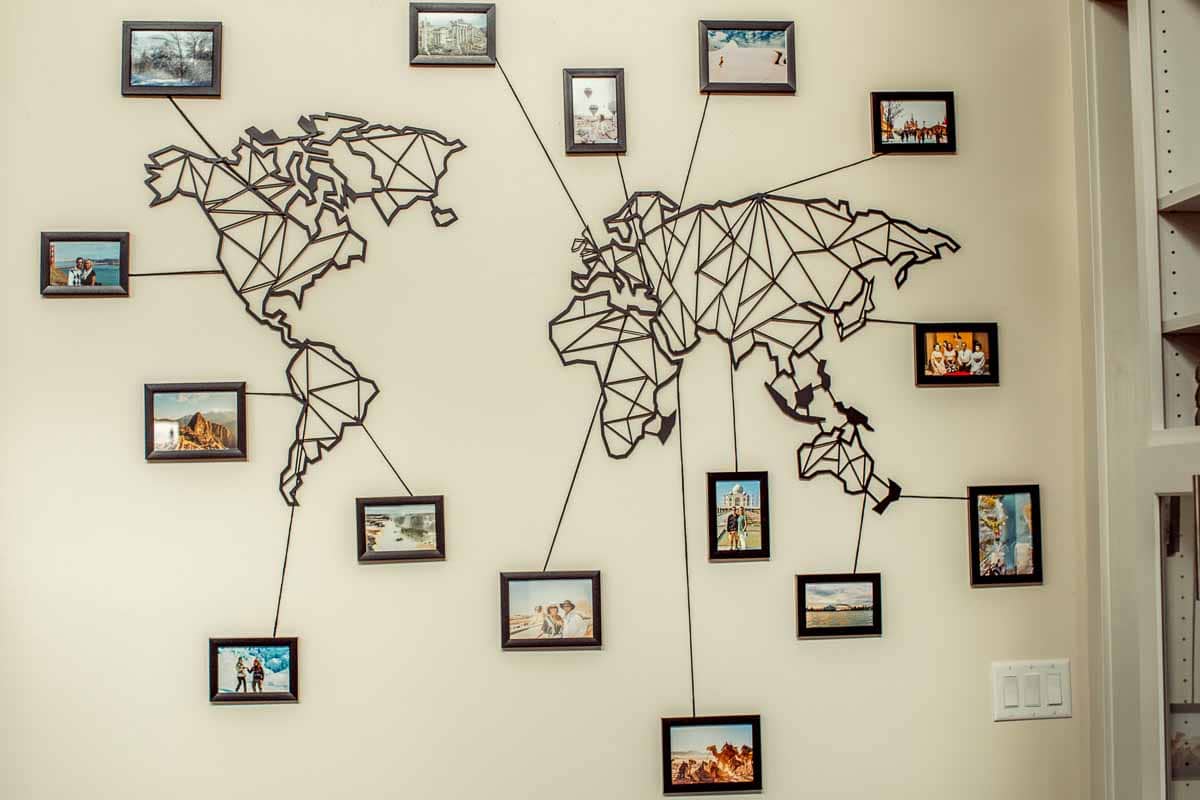
Whether we’re reading, cooking, exploring our town and state, or even looking back through old travel photos, our casual browsing is less about escapism or nostalgia, and not even about research or anticipating the next trip. Appreciating all that we’ve seen, we’re practicing that essential travel habit of noticing where we are and living in the moment.