Alaska is a big state. It’s so big, I maintain, that no two visitors are going to come away with the same story. Sort of like the blind men who’ve each examined a different feature of the elephant, we could all come away arguing about the “real” Alaska, and what that means.
I’ll argue that a small-ship cruise through Alaska’s Inner Passage presents as diverse and complete a picture of Alaska as you can possibly get in under two weeks. We collected stories and images beyond our expectations — of snow-covered mountain peaks, glaciers, fjords, rugged rocky faces and tender spring forest terrain; of whales, bears, eagles, sea otters, sea lions; of the historic Tlingit people and of today’s adventurous young Alaskans. After our 12-day visit, we can share a sharp picture of Alaska from multiple vantage points thanks to a well-considered itinerary, shore excursions, and onboard programming.
This post continues the story about our trip. We’ve already written about Glacier Bay National Park and Sitka National Historical Park — among the places our itinerary took us. Here, we’ll tell you just how important the ship, crew, and activities were to our experience. The small ship cruise with American Cruise Lines made it possible to discover key places and essential elements of Alaska.
American Cruise Lines in Alaska’s Inner Passage
Our visit to Alaska, in June 2026, was our first. Though we got nowhere near Alaska’s interior or Denali National Park, our home aboard the American Constitution proved to be an ideal way to see Alaska and learn about its geological, political, and cultural history. A big ship simply can’t get where a small one can, and it can’t put you as close to the naturalists, rangers, and Tlingit interpreters who help make sense of what you’re seeing.
The Ship: American Constitution
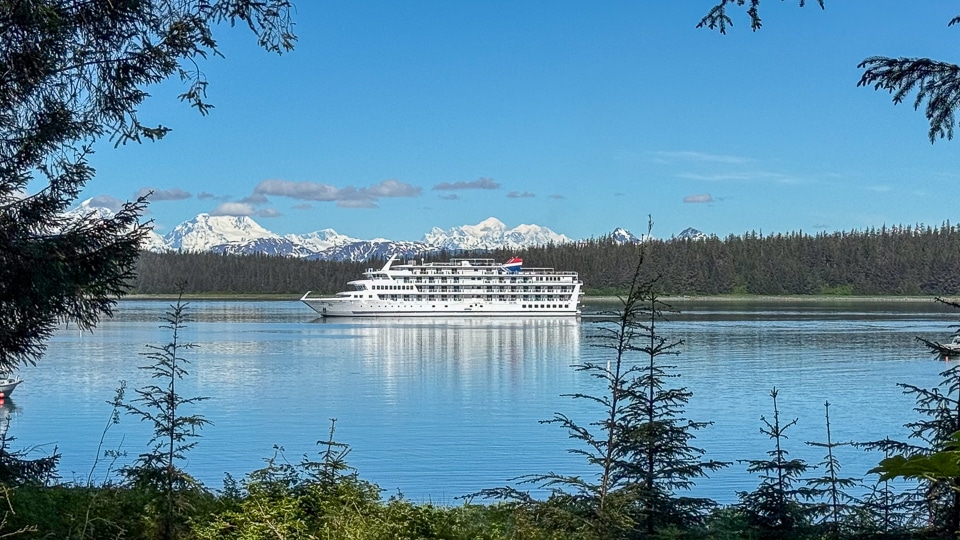
The American Constitution is a coastal cruise ship built in 2018 by Chesapeake Shipbuilding in Salisbury, Maryland, and is the sister ship to American Constellation. It’s American-flagged, American-crewed, and American-built — part of the pitch for a line whose whole identity is domestic travel done well.
A few facts that matter when you’re choosing a ship for your Alaska visit:
- Passengers: just 160-170 maximum, across fewer than 90 staterooms — small enough that you’ll recognize most of your fellow travelers by day three, and small enough for the ship to nose into waterways the big cruise ships never see.
- Decks: five passenger decks (six total), reached by two elevators, so mobility isn’t an issue except on the open sun deck at the very top.
- Cabins: among the largest standard staterooms in small-ship cruising, most with private balconies and sliding glass doors, hotel-grade beds, individual climate control, and twice-daily housekeeping. Suites on the upper decks add sitting areas and a stocked refrigerator.
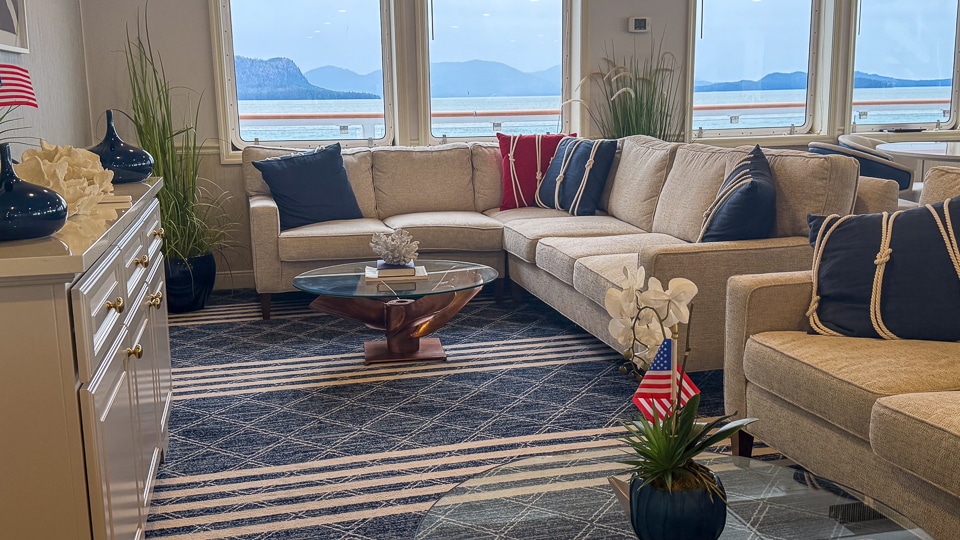
- Public spaces: a single glass-enclosed dining room where every meal is served with full table service (no buffets); the third deck Cascade Lounge for daily programming and evening entertainment; the fourth deck Sky Lounge for early breakfast and casual limited menu options for those with light appetite or desire to dine al fresco; and a couple of smaller midship lounges for reading, puzzles, or a quiet conversation.
- Other features and amenities: a fitness room, a putting green and loungers on the sun deck, complimentary Wi-Fi. Laundry machines are available to all guests. By request, a small refrigerator to keep meds can be placed in cabins.
- Ship design: uniquely designed to navigate the inland coastal waterways of Alaska and Puget Sound. While it’s small enough to navigate narrow waterways, with a comfortable interior not unlike a river cruise ship, it’s equipped with stabilizing wings which can be deployed in rougher waters.
- Crew: American Cruise Lines makes a point of being entirely American-officered and crewed. Beyond the marketing aspect, this factor shows up in relations with passengers and in the knowledgeable and easy-going conversations about the places we were visiting. The hardworking crew wore multiple hats and were readily available to guests.
- Pilot House Visit: If you have a chance to visit the pilot house and meet the ship’s captain, do so. We really enjoyed meeting our enthusiastic and gregarious captain, learning about the ship’s systems, and seeing the waterways through his eyes.
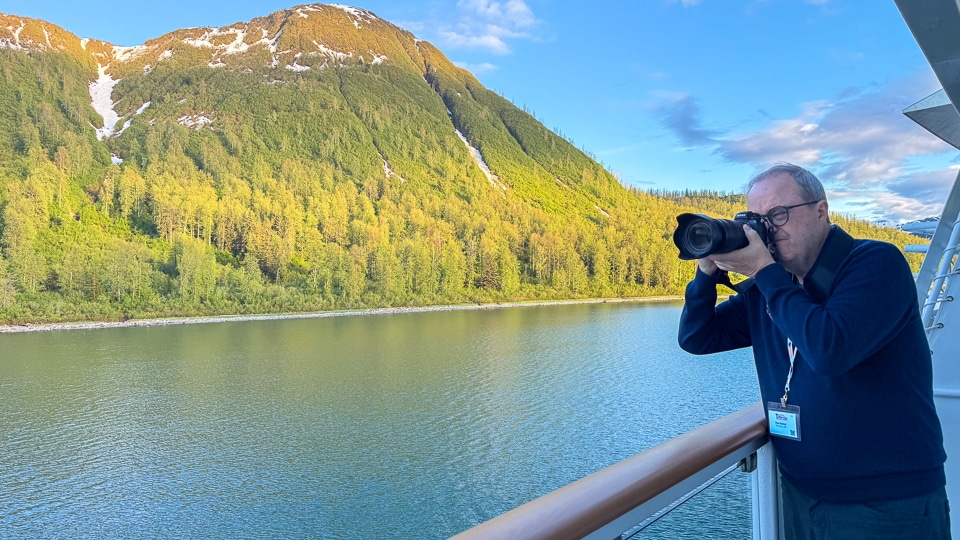
What that adds up to is a ship built less like a floating resort and more like a comfortable, well-run small hotel that happens to move. There’s no casino, no splashy atrium, no rock wall. What there is, instead, is unobstructed viewing from nearly everywhere on board, an easy rhythm to the day, and a crew who has the know-how to answer your questions and the time for friendly chats. Sailing under an American flag, by the way, means this cruise line’s ships can sail from American port to American port.
The Ship Experience: Food and Dining Service
We all enjoyed meal times! Every meal was served in the single dining room, open seating, with the whole ship eating more or less together. Menus leaned into American regional and Pacific Northwest ingredients — a lot of salmon and halibut, unsurprisingly, sourced locally where possible — alongside standard comfort options for less adventurous eaters. The breakfast menu is complemented by daily specials. The lunch and dinner menus provide about three options each for starter course, main course, and desserts. In addition to our favorite fish dishes, we enjoyed lamb and pork; beef options were popular, and vegetarian selections were always available. For a change of pace, we took advantage of the casual dining in the Sky lounge on several occasions, especially for a quiet, light breakfast.
I really loved that American Cruise offers half portions. I know I’m not alone in being overwhelmed with too much on the plate and wasted food. This is a smart move all the way around. On a couple occasions I treated myself to two half portions when I couldn’t decide between a couple tasty options. Chef approved, even suggested this, and the wait staff accommodated!
The dining experience is flexible. Open seating means you can dine with different people every meal, if you wish. The staff were accommodating to guests showing up anytime during the meal service. (We were on a later internal clock, so usually showed up for the second hour of dinner service.)
The Ship Experience: Excursions and Programs
Shore excursions varied by port, from included walking tours and hop-on shuttles to bookable options like kayaking, small plane or boat charters, or wildlife-focused van tours. The mix of complimentary and paid excursions meant we could build our own mix of light or full days. We could budget by reserving excursions in advance, and also take advantage of some options at the last minute, which we appreciated as we learned more about what we wanted to see as the cruise progressed. Because the ship is small, tender operations and group sizes ashore stayed manageable — no scrum of a thousand passengers hitting one dock at once.
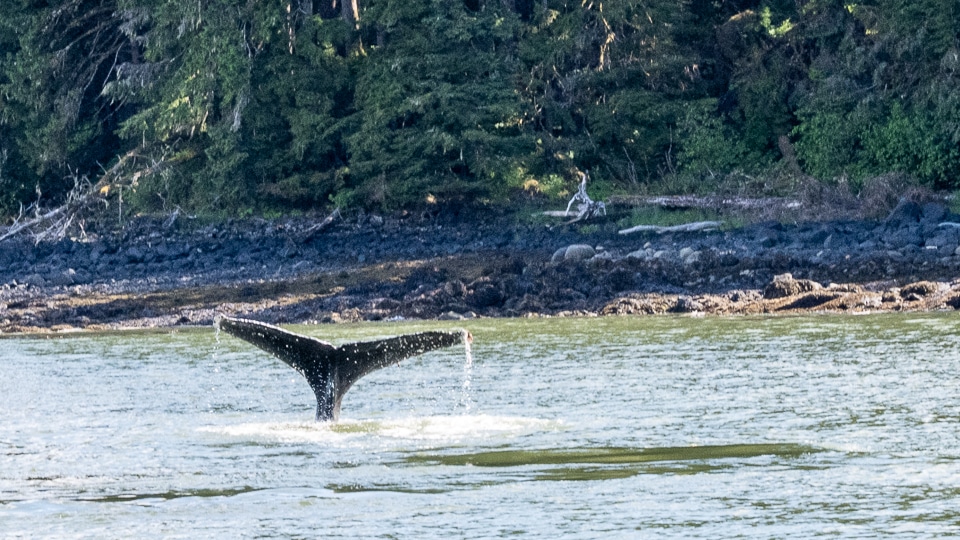
Some specific excursion notes can be found in the itinerary section below. We were most impressed with the jet boat excursion to LeConte Glacier from Petersburg for glacier and sea otter close-ups, as well as some excellent humpback whale watching. Instead of some of the town walks as a group, we used the time to explore on our own, at our own pace. Local guides, in most cases, provided the highlights of our visit. (Our Captain Zach was the proud new owner of his boat and his guide company, Reverie.)
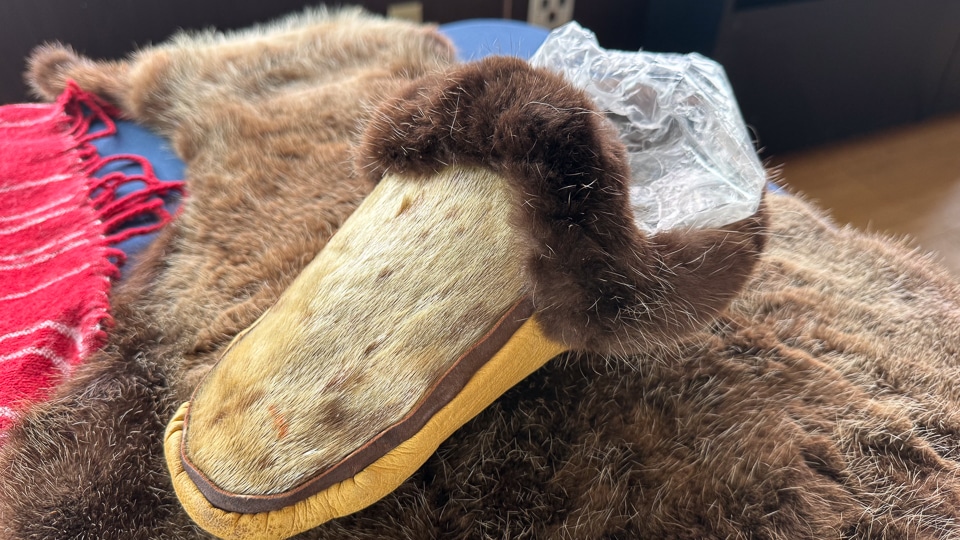
Enriching onboard programming was another area where the ship earned its keep. A resident naturalist gave presentations ahead of wildlife-rich stretches — Glacier Bay especially — that turned casual sightseeing into something closer to an ongoing seminar. Park rangers and Tlingit cultural interpreters came aboard for stretches of the route, not just to lecture but to answer questions over the course of a day, which is a different experience entirely from a single scripted talk.
The Ship Experience: Entertainment
Each evening the ship hosted a social hour with hors d’ouevres, drinks, and live music by the resident musician, Logan Reeves. We felt like we’d hit the jackpot being able to listen to the exceptional classic and popular tunes by this accomplished guitarist. Music entertainment followed dinner hour, too, when Logan was sometimes joined by local musicians who boarded for their evening performance.
For those who chose to relax onboard instead of going off on excursions, optional games and activities were scheduled daily. It was easy to see that this social programming was enjoyed by all who participated. I attended the chef’s cooking demonstration and a cocktail demo, both of which were topped off with tastes and copies of the recipes. Best of all, the entertainment and programs were low-key: there was enough downtime and nobody felt over-programmed.

Our Itinerary: Alaska’s Inner Passage
We sailed a round-trip itinerary out of Juneau, one of American Cruise Lines’ longer Alaska sailings, called Alaskan Explorer. The itinerary includes a combination of town port stops, nature destinations, excursion days. and cruise-only days.
Juneau
Point of embarkation and disembarkation, and Alaska’s state capital, reachable only by air or water. We arrived a day early to explore a bit more, and happened upon the biennial “Celebration 2026” gathering of Tlingit, Haida and Tsimshian tribes. The festivities included drum and dance performances and dozens of pop-up artisan vendors. Extra time in Juneau will allow you to sample local seafood restaurants, other local fare and beers in a street fair setting, and excellent shops like Mt. Juneau Trading Post. The excellent Alaska State Museum is here; we visited with the cruise group on our way to the ship on embarkation day.
Note, Juneau has limited hotel rooms available, so if you are adding days on your own, book well in advance.
Haines
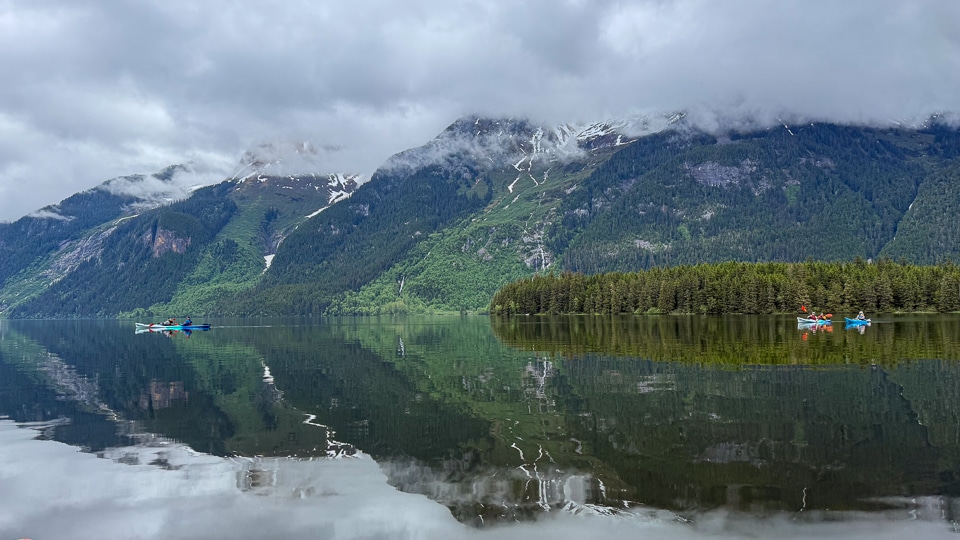
Haines, population 1,500, is a quiet, remote, less-cruised town with strong Tlingit and homesteader history. Kris went kayaking on nearby Chilkoot Lake. This was a great intro to the wilderness area, with beautiful scenery around us and glimpses of salmon fry in the water below. The lower areas were filled with Sitka Pine and Hemlock forests, dotted with Alders. The heights were dramatic, near-vertical thrusts of rock, segmented by cascades and waterfalls. We passed by the Chilkoot River weir, still using humans to count salmon. And by chatting with our guides as we returned to Haines, we learned lots about daily life in this town which relies on boats (and small planes) for food and all services, not to mention traveling to Juneau and beyond. If you get sick, they say, it best be on the day flights to Juneau are scheduled.
Glacier Bay National Park and Bartlett Cove
The geological and cultural heart of the trip, and the subject of its own post, where we spent a day and a half among tidewater glaciers, whales, and the Huna Tlingit story.
Sitka
Alaska’s old Russian capital and home to Sitka National Historical Park, with its remarkable collection of totem poles.
Petersburg
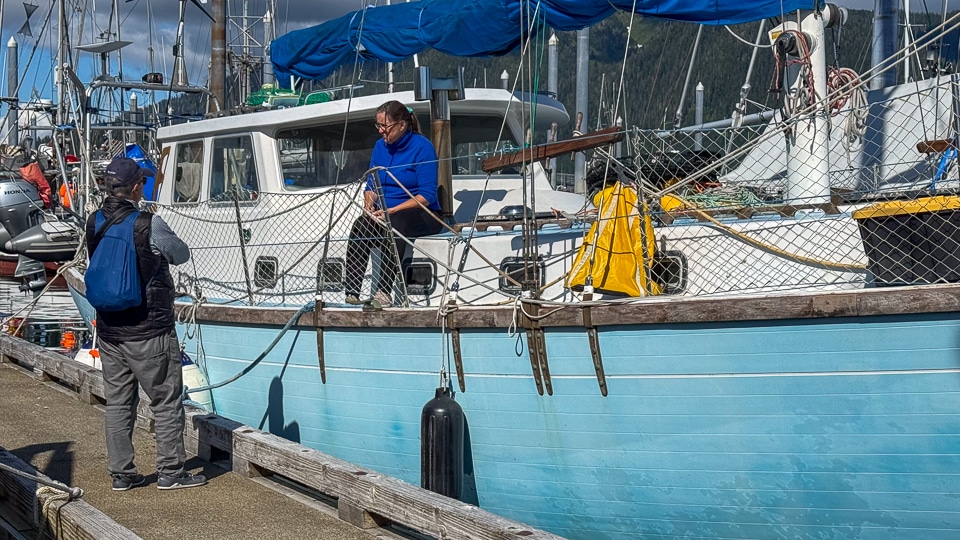
A working fishing town with a strong Norwegian heritage, and a nice contrast to the more touristed stops. This was the launching point for some of our favorite excursions, and where we had a friendly tour of the harbor by a third generation fishing family. Petersburg is also the entry point to the lovely 21-mile long Wrangell Narrows channel that significantly reduces sailing time between Petersburg and Wrangell.
Wrangell
One of the oldest non-Native settlements in Southeast Alaska, having flown Tlingit, Russian, British, and American flags over its history.
Endicott Arm and Dawes Glacier
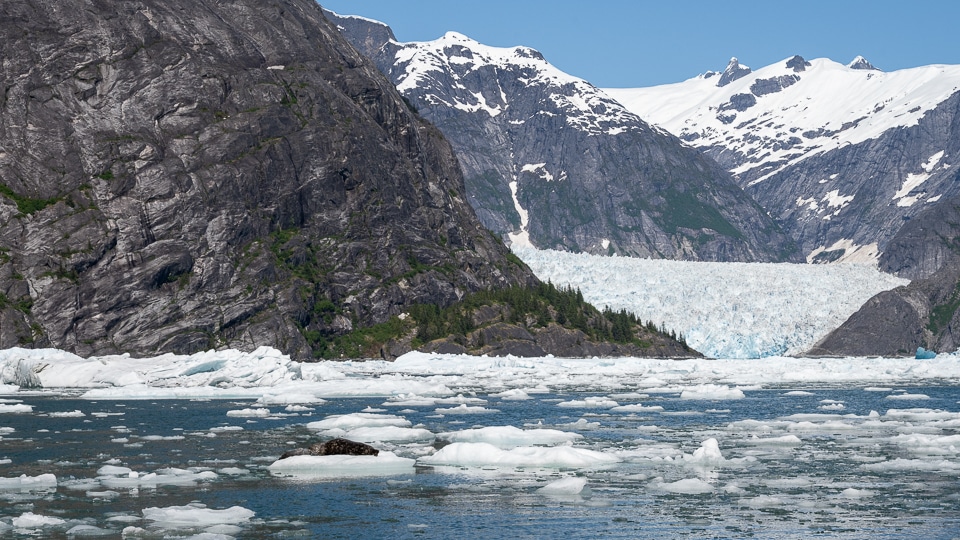
A narrow, ice-dotted fjord we cruised into by ship, with icebergs calved from Dawes Glacier drifting past on both sides.
The overall route is designed to alternate big, structured days (Glacier Bay, Sitka) with smaller, slower ones (Haines, Petersburg, Wrangell), and to build in pure scenic cruising through fjords like Endicott Arm where there’s no port at all — just the ship, the ice, and whoever’s out on deck with a coffee. That mix is, we think, the real argument for this kind of itinerary: it doesn’t just show you Alaska’s highlight reel, it shows you the texture in between.
We might have enjoyed getting a written overview of the next day’s port (with a weather forcast?) and more detail on excursions in advance, just to be better informed and prepared. But each evening before dinner the destination and excursions were outlined verbally in the Cascade Lounge. (Closed circuit TV of lounge activities are available in cabins for the anti-social.)
Packing for an Inner Passage Cruise
Southeast Alaska in June is a temperate rainforest climate, which means layers are in order, always.
- Waterproof, breathable rain jacket and pants — not just a jacket. You will be on deck in real rain at some point, likely while trying to photograph a glacier calving. This ship uses a larger tender rather than zodiacs when transporting ship to shore. This is easier to access and you’re not so likely to get wet. If you aren’t traveling with rain pants per se, we do recommend quick dry pants for your excursions.
- Warm layers — fleece or a light puffy for evenings and early mornings on deck; temperatures on the water are cooler than in town. We recommend a stocking cap and gloves, too.
- Good walking shoes, plus something waterproof for tender landings and wet trails.
- Binoculars — genuinely essential, not optional, for wildlife spotting from the ship’s rail.
- A real camera or a phone with a good zoom, and extra battery/storage. You will take more photos than you expect.
- Sun protection — sunscreen and sunglasses, even under grey skies; the water reflects more UV than you’d guess, and summer days here are extraordinarily long.
- Seasickness remedy, if you’re prone. The Inner Passage waters are generally calm and protected, but open stretches can have some roll. We found no need for pills or patches, only feeling some movement for about an hour when we exposed to open water in Frederick Sound.
- Your layered clothes for the dining room — The dining room, like the rest of the ship, is casual. To step up from shore-excursion gear for dinner, you might just change your shirt or layer. We often took binoculars to the table! If not grabbing a view of passing wildlife, we’d sometimes step out onto the deck right after dinner for viewing.
For more about packing for an adventurous cruise, see our packing list for Antarctica or a most helpful packing post, Ultralight Packing for Women.
When to Go
The Alaska small-ship season runs roughly mid-May through mid-September, mirroring the window when Glacier Bay is open to cruise traffic and most shore facilities are staffed. Within that:
- June through August is peak season — best odds for wildlife activity (feeding whales, bears along the shoreline), full programming ashore, and the longest days of light. It was a pleasant surprise to have light until almost 11 p.m.; that comes with sunrise around 4 a.m.
- May and early June can mean fewer crowds, dramatic spring light, and a landscape that feels freshly awakened, though weather is less predictable.
- September brings the start of fall color inland and thinner crowds, at the cost of shorter days and a higher chance of rain.
We sailed in June and had a mix of everything — sun, rain, and one genuinely spectacular sunset around 10 p.m. Bring the rain gear regardless of when you go.
FAQ: Small-Ship Cruising in Alaska’s Inner Passage
What’s the difference between a small-ship and a large cruise-ship Alaska itinerary? Scale, mostly. Small ships like the American Constitution carry well under 200 passengers, which lets them enter narrower waterways, spend more time in places like Glacier Bay, and dock or tender at ports too small for a 3,000-passenger ship. The trade-off is fewer onboard amenities — no casino, no water slides, no multiple specialty restaurants (no problem for us!) — in exchange for a more immersive, education-forward trip.
How many days should I plan for an Inner Passage cruise? Our itinerary ran about 12 days round-trip from Juneau, which allowed full days in Glacier Bay and Sitka along with several smaller port stops and pure scenic cruising through fjords like Endicott Arm. Shorter 7- to 9-day sailings exist and hit many of the same highlights at a faster pace. We allowed an extra day in Juneau before the start of the trip, and would have happily added time to see more of Alaska had we had the time.
Is a small ship a good fit for older travelers? Yes, notably so. Elevators reach all but the open sun deck, meals are all served in one dining room rather than a self-service buffet, and the pace of a small ship tends to be gentler than a mega-ship built around constant activity. Even most off-ship activities are quite accessible, with the use of tenders rather than zodiacs to get ashore. American Cruise Lines’ passenger base in Alaska skews toward exactly the readers of this blog. The younger people on board, fewer than a dozen, were all traveling with parents or older relatives.
Do you need to book excursions in advance? Some of the more popular paid excursions — kayaking, flight or fishing charters — are worth booking as soon as they’re offered, since a small ship also means limited excursion capacity. Included walking tours and shuttle options are typically available to book or simply show up for once onboard.
What should I expect from the food onboard a small ship like this? Solid, fresh, regionally inflected American cooking — a lot of Pacific salmon and halibut — served in one open-seating dining room at set meal times. A limited menu for breakfast, lunch, and dinner is also available in the aft lounge for those who want lighter fare or to dine al fresco. It’s not a culinary showcase in the way some luxury lines market themselves, but we ate well every day and appreciated the varied selections.
Will I actually see wildlife from the ship? You can never guarantee it, but a small ship stacks the odds in your favor — slower speeds, more time in wildlife-rich waters like Glacier Bay, and a naturalist onboard flagging what to watch for. We saw whales, sea lions, seals, eagles, and both black and brown bears over the course of the trip.
Final Thoughts
Three posts in, here’s where we land: Alaska is too big and too varied to sum up in one visit, however you make it. But a small-ship cruise through the Inner Passage — the American Constitution, in our case — gave us an itinerary, a crew, and an onboard education that added up to something more coherent than a checklist of ports. The ship wasn’t just transportation between Glacier Bay and Sitka, it was the exploration of place and history that provided a clearer understanding of Alaska and its place in the world.
If you’re planning your own Inner Passage trip, start with our posts on Glacier Bay National Park and Sitka National Historical Park, and then come back here to think through the ship and itinerary that will get you there.