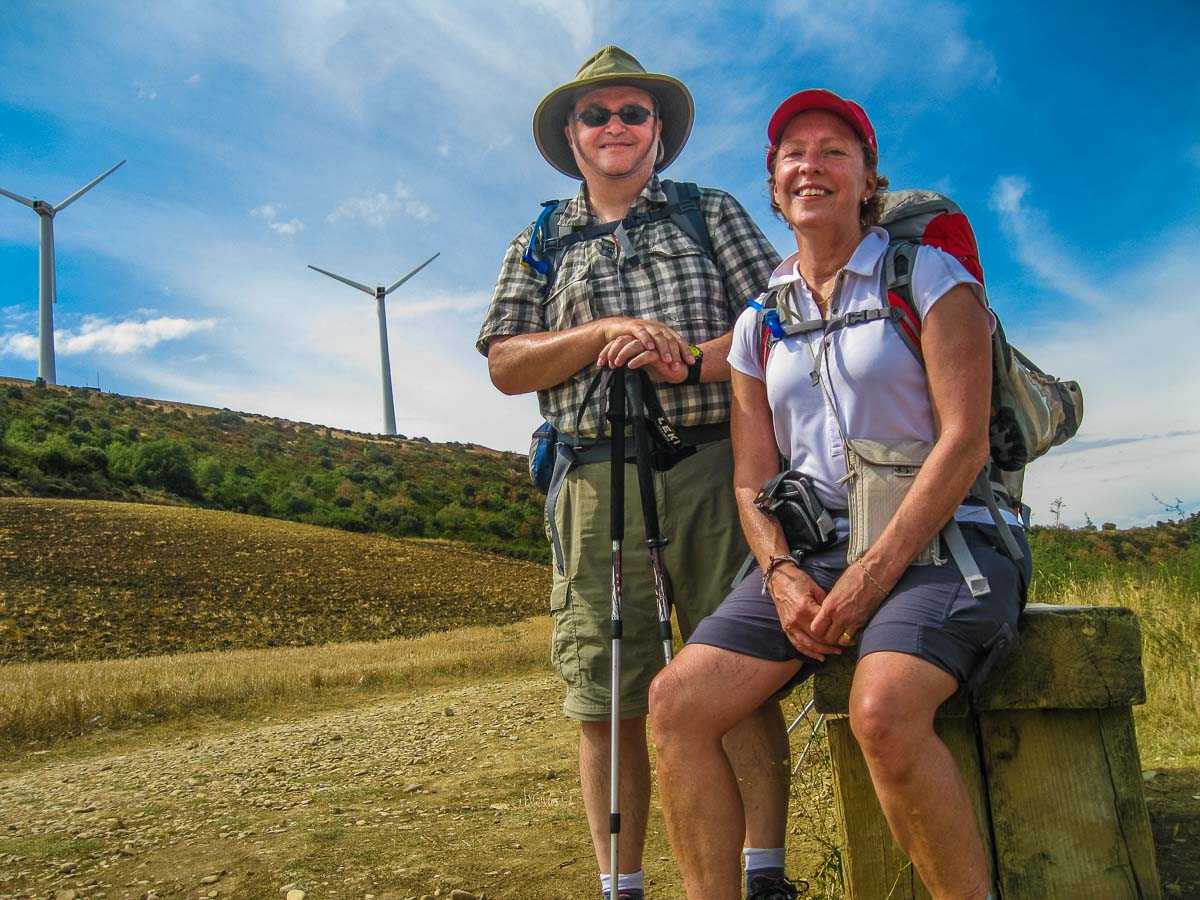
If there’s one thing almost every first-time pilgrim on the Camino de Santiago gets wrong, it’s this: They carry too much.
And they pay for it — every single step.
Looking for more packing advice? This post is part of our Travel Skills for Travelers Over 50 guide, where we cover packing light, gear, money, safety, and more.
We’ve walked the Camino Francés and sections of the Camino del Norte and Camino Lebaniego long enough to know that packing isn’t just about convenience. It affects your comfort, your energy, and ultimately how much you enjoy the experience.
This guide is not theoretical. It’s based on what actually works day after day on the Camino.
For a broader overview of where to go, what to eat, and how to plan your route through Spain, start with our Spain travel guide.
The 3 Rules That Matter More Than Any Packing List
Before you look at a single item, understand these rules:
- Weight matters more than gear. Your pack should be roughly 10–15 percent of your body weight—a widely recommended rule among experienced pilgrims.
- You are not in the wilderness. Every day, you will pass through towns – where there will be pharmacies, grocery stores, and sometimes gear stores. In other words, you can buy or replace anything you might need.
- The Camino rewards simplicity. Overpacking is the #1 mistake people make. The people struggling most are almost always carrying too much. The people enjoying it most? They’ve figured out how little they actually need.
The Core Camino Packing List
Backpack
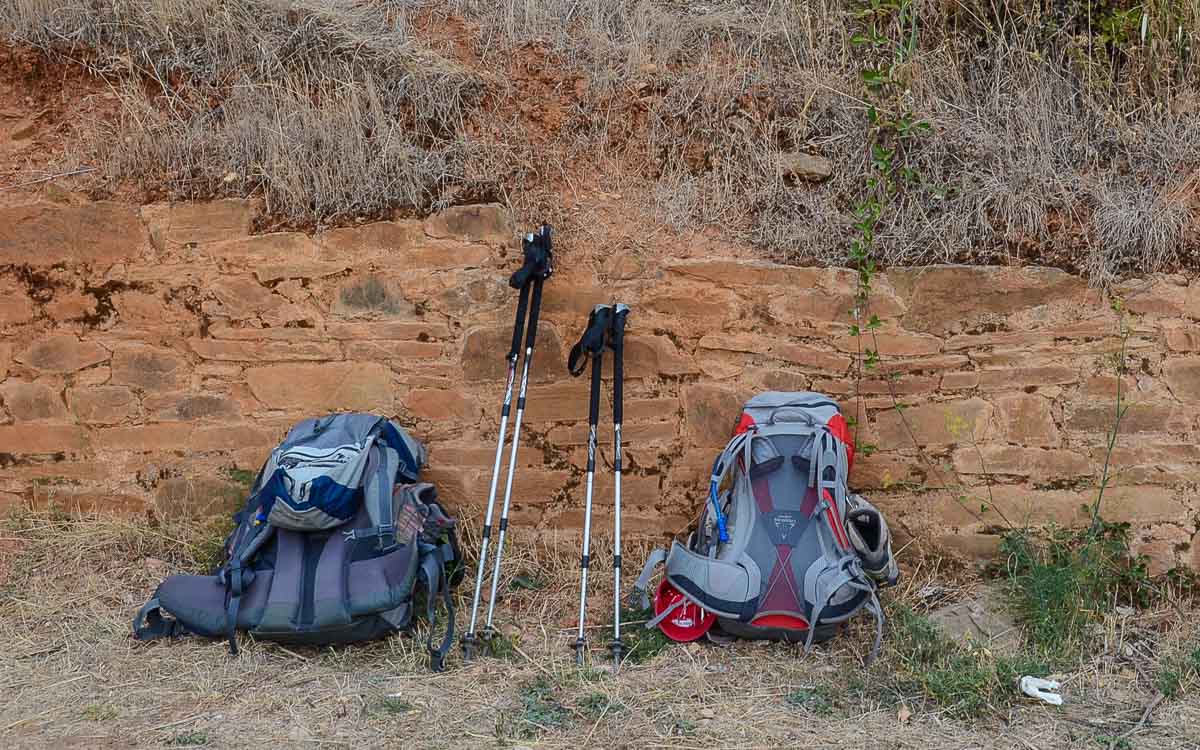
The first thing to keep in mind is that a 30 to 40-liter pack is ideal for most pilgrims. The second thing to remember is that comfortable hip belt is essential for a couple of reasons: first comfort; second accessibility of frequently used items.
Bigger packs don’t solve problems—they create them. Bigger packs encourage overpacking. Stick to carry-on size.
Footwear (your most important decision)
Footwear and socks are consistently cited as the most critical items on the Camino.
- 1 (or 2) pairs primary walking shoes (broken-in). Opinions differ here about whether you should carry the weight of a second pair of walking shoes. I did, mostly so I’d always have a dry pair of shoes, and to let a pair “rest” and dry out after a sweaty day on the road. Nowadays, many trail shoes are extremely light, so the extra weight is not necessarily a deal-breaker.
- 1 secondary (sandals/light shoes) for letting your feet rest, air out, and be comfortable around the albergue and at dinner.
Socks & foot care
- 3–4 pairs of quality socks. We recommend merino wool socks with a little bit of padding. The sometimes rough trail can take a toll on your feet, especially if you’re wearing light weight shoes.
- Have a blister prevention system. See our details here on how to best prevent and treat blisters. The primary lesson: keep your feet dry. Dry your feet and change your socks midday is our best hint.
Feet are where Caminos succeed or fail.
Clothing (minimal system)
You don’t need outfits. You need a rotation. Here are the very basics:
- 2 short-sleeve shirts
- 1 long-sleeve layer
- 1 warm layer (fleece or light jacket)
- 1 pair pants
- 1 shorts
- 2–3 pairs of underwear
All items should be quick-drying if possible. You wash them out at night, and hang them to dry. If you’re lucky to be able to hang them out in the Spanish sun, they’ll be dry by the time you get back from dinner.
Remember: you’re not packing outfits—you’re packing a system.
Weather protection
- A lightweight rain jacket or poncho. I prefer a jacket, which can also double as your warmth layer.
- A wide-brim hat for sun protection. This is essential!
- A buff. This is optional, but can also provide sun protection for your neck. A kerchief-bandana is a possible alternative.
Weather changes quickly—especially in northern Spain. Those hot nights on the meseta will be a distant memory once you climb into Galicia and approach Santiago. Or if you’re one of the northern routes in general.
Sleep system
- Sleeping bag liner (common in albergues). You don’t need a sleeping bag. Most albergues will provide bedding. When it does get cold, most alberges will have a blanket you can borrow.
Toiletries (small kit)
- Toothbrush and toothpaste, deodorant, soap
- Minimal first aid and blister kit
The best Camino kits are compact essentials only. If it doesn’t fit easily in a small bag, it doesn’t go.
If you have to carry medicine, obviously that’s another issue.
Documents (Camino-specific)
- Passport
- Pilgrim credential, which is required to stay in albergues.
- Credit/debit cards
Keep these handy, perhaps in your waist belt. Don’t bury them in your pack.
The Packing System that Actually Works
Most guides stop at a list. This is where the real difference is.
The “Wear One, Wash One, Spare One” system
You carry:
- One set on your body
- one drying
- one backup
That’s it.
This is the core Camino packing strategy.
The Daily Rhythm
Every day looks like this:
- Walk
- Arrive
- Wash clothes
- Let them dry (overnight)
- Repeat
Once you understand this, everything else gets simpler.
Adjusting Your Packing for Different Camino Routes
Not all routes are the same.
Camino Francés (most common, and the one we did)
- Moderate to hot conditions
- The standard packing list works well
Camino del Norte and Primitivo
- More rain, cooler weather
- You’ll need stronger weather gear
Camino Portugués
- More urban stops
- A lighter pack possible
Shoulder Season / Cold Weather
Add:
- thermal layers
- gloves
- warmer outer layer
Cold mornings are common outside peak summer.
What Not to Pack
This matters as much – or more – as what you do bring.
- Extra shoes
- “Just in case” clothing
- Bulky toiletries: you don’t need makeup or a hair dryer!
- Heavy books
- Anything you haven’t tested
Most (all?) pilgrims realize pretty quickly they packed too much. In our own case, we dumped seven kilos (15 pounds) of unnecessary stuff in Pamplona – only a few days into our Camino Francés. I wish we’d known then what we know now and hadn’t carried all that weight over the Pyrenees.
Common Camino Packing Mistakes
Avoid these and you’ll be ahead of most first-time walkers:
- Bringing brand-new shoes
- Packing too many clothes
- Ignoring foot care
- Carrying a pack that’s too heavy
- Overestimating how remote the Camino is
Camino Packing vs Regular Travel Packing
The Camino is different.
Remember:
- You walk every day
- You carry everything
- You repeat the same routine
It’s closer to light trekking than travel—but without the need for heavy gear. That’s why standard travel packing advice doesn’t fully apply here.
The Camino sits between travel and hiking, which is why packing rules differ.
Related Guides
If you’re planning your own Camino, these will help:
- Camino backpack guide
- Shoes, socks, and blister prevention
- Specific Camino packing list
- Walking sticks, yes or no?
- Our general ultra-light packing guide
- Our general ultra-light packing guide (for men)
- Our general ultra-light packing guide (for women)
- Travel gear recommendations
Want a Printable Camino Packing List?
If you would like our downloadable complete Camino packing list, subscribe to our email newsletter here. After you confirm your email address, you’ll be directed to our Camino packing list, which you’ll be able to download and use to inform your Camino.
Camino de Santiago Packing FAQ
How heavy should my pack be for the Camino de Santiago?
Your pack should weigh roughly 10–15 percent of your body weight — a widely recommended guideline among experienced pilgrims. For most people, that means somewhere between 8 and 12 kilos (18–26 lbs) fully loaded. Heavier than that and you’ll feel it in your knees and hips by the end of the first week. When in doubt, leave it out.
What size backpack do I need for the Camino?
A 30- to 40-liter pack is ideal for most pilgrims. Bigger packs don’t solve problems — they encourage overpacking. Look for one with a comfortable hip belt, which transfers weight off your shoulders and also gives you easy access to frequently needed items like snacks, a credential, and a rain jacket.
What shoes are best for the Camino de Santiago?
Well-broken-in trail running shoes or light hiking shoes are the most popular choice among experienced pilgrims. The key word is broken-in — never start the Camino in new shoes. Many pilgrims also carry a second pair of sandals or light shoes for evenings at the albergue, to let their feet rest and air out after a long day’s walking.
How do I prevent blisters on the Camino?
The single best blister prevention strategy is keeping your feet dry. Change your socks at midday, dry your feet thoroughly, and choose merino wool socks with a little padding. Address any hot spots the moment you feel them — don’t wait. Blisters are where many Caminos go wrong, but they’re largely preventable with the right socks, broken-in shoes, and consistent foot care.
Do I need a sleeping bag for the Camino?
No. A lightweight sleeping bag liner is all you need. Most albergues provide bedding, and if it gets cold, blankets are usually available to borrow. A full sleeping bag adds unnecessary weight and bulk. Save that room in your pack for something more useful.
What clothing should I pack for the Camino?
Keep it minimal: 2 short-sleeve shirts, 1 long-sleeve layer, 1 warm layer (fleece or light jacket), 1 pair of pants, 1 pair of shorts, and 2–3 pairs of underwear. Everything should be quick-drying. The system is wash-at-night, hang-to-dry, repeat. You’re packing a rotation, not outfits. Most pilgrims who overpack realize their mistake within the first few days.
What documents do I need for the Camino?
You’ll need your passport, a pilgrim credential (the credencial del peregrino), and a credit or debit card. The pilgrim credential is required to stay in albergues and to receive your Compostela certificate upon completion. Keep these accessible — in a hip belt or top pocket — not buried in your pack.
Is the Camino de Santiago suitable for travelers over 50?
Absolutely — and many would argue it’s ideally suited to older travelers. The Camino is not a race. The culture of the walk rewards a slower, more deliberate pace, and the daily rhythm of walk, arrive, eat, rest is deeply restorative. The most important preparation for 50+ pilgrims is foot care, well-broken-in shoes, and not carrying too much weight. The towns along the route have pharmacies and gear shops, so you’re never far from help if something goes wrong.
Final Thoughts
The Camino teaches you quickly that you don’t need more stuff; you need less.
Not bad advice for life in general, we’d say.
Buen Camino!
Looking for more packing advice? This post is part of our Travel Skills for Travelers Over 50 guide, where we cover packing light, gear, money, safety, and more.